Project PLAN: Partnerships for large-scale adaptation through nature
Developing a platform to foster enabling conditions for Nature-based Solutions for Adaptation.
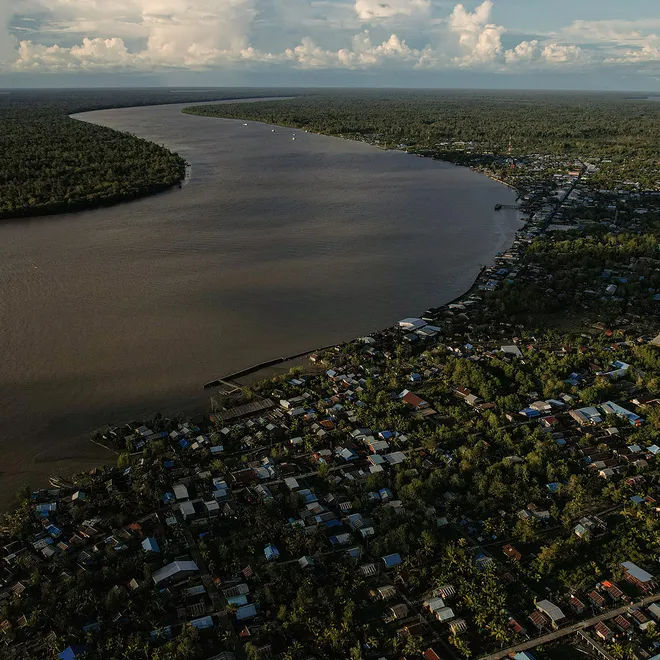
© WWF-Indonesia / Yunaidi Joepoet
The world is at a pivotal moment in its response to climate change. While adaptation efforts are underway, there is a tremendous opportunity to accelerate progress and deliver multiple benefits by more fully integrating nature-based solutions. Natural systems—such as forests, wetlands, and coastal ecosystems—play a vital role in reducing vulnerability and building resilience to both current and future climate risks. By recognizing and harnessing the power of nature, we can design adaptation strategies that are not only more effective and sustainable, but also deliver positive outcomes for biodiversity, livelihoods, and communities.
Project PLAN (Partnerships for Large-scale Adaptation through Nature) is a collaborative effort led by the World Wildlife Fund (WWF) and the UN Environment Programme World Conservation Monitoring Centre (UNEP-WCMC) to advance Nature-based Solutions for Adaptation. Project PLAN is identifying barriers to and exploring solutions for mainstreaming, scaling, and effectively implementing nature-based solutions into climate adaptation policy and planning, increasing the number of adaptation projects that utilize nature to reduce vulnerability, and improve adaptation and biodiversity outcomes through better design and implementation.
The goal of Project PLAN is to design a global platform that assists countries in advancing climate change adaptation through nature-based solutions. WWF and UNEP-WCMC are co-creating this platform with country governments and identifying partner institutions to host and operate it.
Nature-based solutions for climate change adaptation (NbS-A), also known as “Ecosystem-based Adaptation (EbA) — are actions that use biodiversity and ecosystem services as part of an overall adaptation strategy specifically to help people manage and build resilience to the negative impacts of climate change. These include climate-informed restoration, protection and management practices that also enhance biodiversity and ecosystem health.
Despite their promise, the potential of nature-based adaptation solutions remains largely untapped. Fragmented efforts limited technical capacity, insufficient political support, and a significant shortfall in adaptation finance—especially in developing countries—have hindered widespread adoption. According to the 2023 UNEP Adaptation Gap Report, adaptation finance needs in developing countries are up to 18 times greater than current international flows.
Project PLAN addresses the urgent need to mainstream, scale, and improve effectiveness of nature-based solutions by identifying systemic barriers and offering practical approaches and guidance to overcome them. The project aims to develop a technical assistance platform that supports governments and practitioners to integrate these solutions into national climate change adaptation strategies and access the resources needed to implement them effectively. This effort will be supported by an “NbS Adaptation Playbook”—an online tool powered by artificial intelligence to provide real-time guidance to practitioners to ensure conservation and climate change adaptation needs are aligned.
This project envisions catalyzing a global shift toward the widespread use of nature-based solutions for climate change adaptation—ensuring that both people and ecosystems can thrive in a changing climate. Through evidence-based consultations across Africa, Asia-Pacific, and Latin America, PLAN has identified barriers and is co-developing a global platform with key stakeholders to improve accessibility to technical and financial support to governments and partners. By fostering collaboration among governments, civil society, funders, and experts, the initiative is producing baseline research, hosting regional dialogues, establishing a sustainable operational model, and elevating nature-based solutions in global climate and biodiversity negotiations.
Success of such a platform will result in:
- Increased integration of nature-based solutions into national and local climate change adaptation strategies, plans and policies (mainstreaming).
- Increased numbers of climate change adaptation projects that integrate services from nature to reduce vulnerability to climate change impacts (scaling).
- Improved climate change adaptation outcomes for vulnerable populations with significant co-benefits for biodiversity (improved effectiveness).
Four thematic technical briefs were developed that illustrate major gaps and barriers to integrating nature-based solutions in climate adaptation policies and practice. Each brief poses key questions to guide regional technical dialogues where government decision makers, practitioners, and civil society representatives will validate our findings and identify context-appropriate solutions. These dialogues will inform our development of a platform that supports mainstreaming nature-based solutions for climate change adaptation.
For more information, please contact: [email protected]