Accessing the Benefits of Biodiversity for Pakistan’s IPLCs: Working Towards the National Legislation and Implementation of the Nagoya Protocol
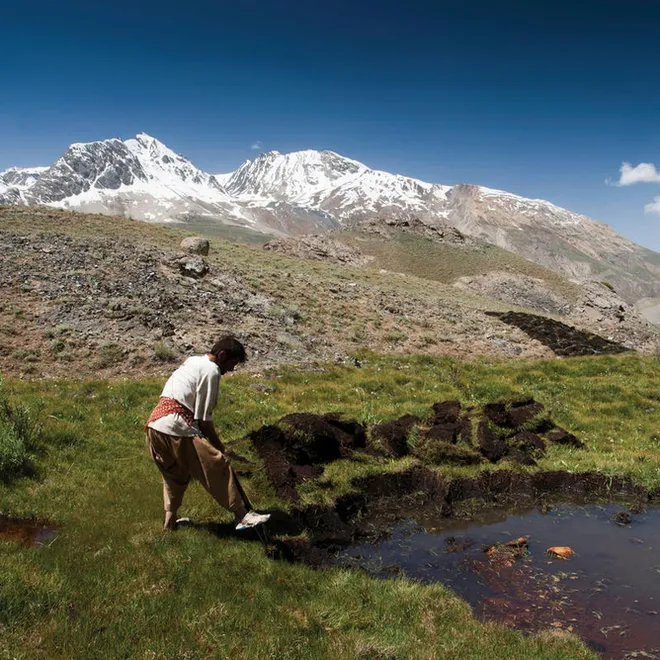
© WWF-Pakistan
Pakistan is home to an extraordinary wealth of genetic resources and traditional knowledge that underpin local livelihoods, fuel innovation in medicine and agriculture, and contribute to the national economy. Yet the absence of a fully operational Access and Benefit-Sharing (ABS) framework has limited the ability of Indigenous Peoples and Local Communities, the custodians of these resources, from fully accessing the benefits arising from the utilization of these genetic resources. This project aims to close that gap by establishing the legal, policy, and institutional foundations needed for Pakistan to ratify and implement the Nagoya Protocol, ensuring that benefits derived from genetic resources are shared fairly with Indigenous Peoples and Local Communities and Traditional Knowledge Holders.
The project will (1) revise and build consensus around Pakistan’s ABS legislation to enable provincial approval, and (2) establish and strengthen ABS Cells while piloting practical benefit‑sharing mechanisms with IPLCs in a priority site. The project will promote sustainable biodiversity management, equitable benefit‑sharing, and local stewardship—directly supporting KMGBF Targets 5, 9, and 13 and Pakistan’s NBSAP (2017–2030), including Target 16.
Country: Pakistan
Focal Area: Biodivers
Fund: Global Biodiversity Framework Fund
Project Status: Project Development
GEF Project ID: 12191
Implementing Agency: World Wildlife Fund, Inc.
Executing Agency: Ministry of Climate Change & Environmental Coordination (MoCC&EC)
GEF Project Grant: USD $ 867,431
GEF Agency Fee: USD $ 78,069
Project Preparation Grant Request Documents
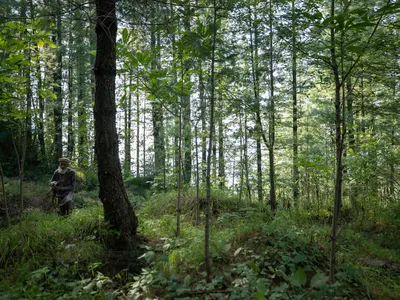
Pakistan possesses an exceptional wealth of native and endemic genetic resources derived from its diverse flora and fauna, which are critical for medicinal uses, contribute significantly to local livelihoods, and hold substantial value for the national economy.
© Khaula Jamil
Pakistan has spent decades working on the conservation and documentation of its genetic resources.
© WWF-Pakistan
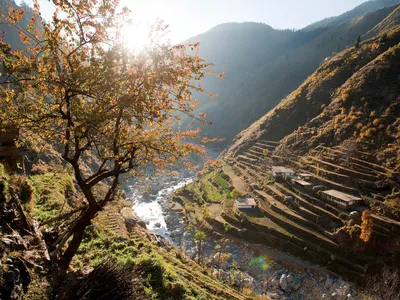
This project will aid Pakistan to meet its commitments of its NBSAP, while also ensuring the sustainable management of resources and ownership by local communities.
© WWF-Pakistan