Delivering target 3 at the regional scale in Peru
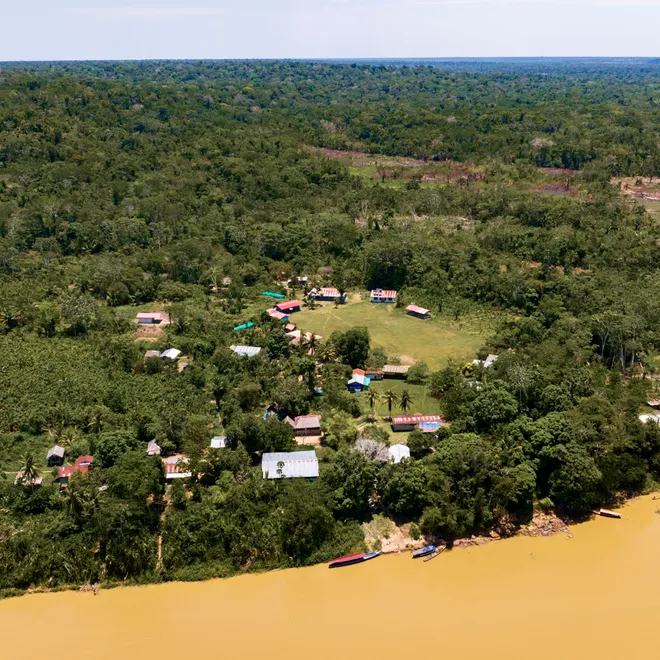
Applying the ecosystem approach in the Northern Transversal Economic Corridor of Peru (Northern TEC).
© WWF-US / Yawar Motion Films
Peru's diverse ecosystems and biodiversity are vital to the nation and the world. In line with the Plan Bicentenario al 2030, the Peruvian Government has prioritized Economic Corridors to enhance productivity and resource efficiency. One significant Corridor in the North spans Piura, Lambayeque, Cajamarca, Amazonas, San Martín, and Loreto, encompassing diverse ecosystems like Amazon forests, Andes forests, dry forests, coastal ecosystems, and RAMSAR wetlands. It includes 12 National Protected Areas, 9 Regional Conservation Areas, 87 private conservation areas, and 49 concessions, covering millions of hectares.
These areas face threats such as illegal logging, unsustainable agriculture, mining, urban expansion, and climate change, which risk habitat loss and fragmentation. Approximately 325 Indigenous Peoples and Local Communities (IP&LC) in this Corridor, vulnerable and underrepresented, depend on these natural resources and are threatened by illicit activities.
The project will enhance conservation area management, expand coverage, promote ecological connectivity, and restore priority areas. It will integrate ecosystem approaches into governance, improve access to sustainable finance, and strengthen bio-business value chains, focusing on IP&LCs. Inclusive participation in biodiversity decision-making will be promoted, especially among youth and women.
Country: Peru
Focal Area: Biodiversity GBFF
Project Status: Project Development
GEF ID: 11595
Implementing agencies: World Wildlife Fund, Inc.
Executing agencies: MINAM through PROFONANPE
GEF Project Grant: US $11,232,110
GEF Agency Fee: US $1,010,890
Project Preparation Grant Request Documents
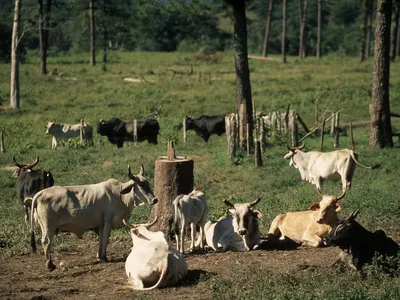
The project area faces threats such as illegal logging and unsustainable agriculture
© Nigel Dickinson / WWF-Canon
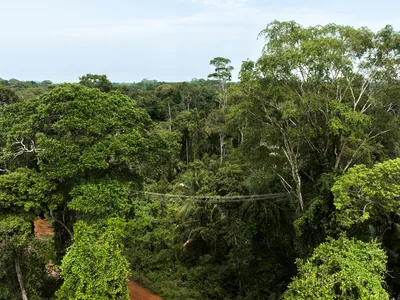
wildlife canopy bridge maderacre Peru Amazon
© WWF-US / Yawar Motion Films
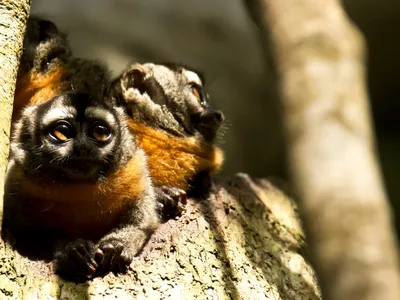
the target project areas are home to varied biodiversity (such as the Owl monkey)
© J.J. Huckin / WWF-US