Food systems, land use and restoration in Tanzania’s forest landscapes
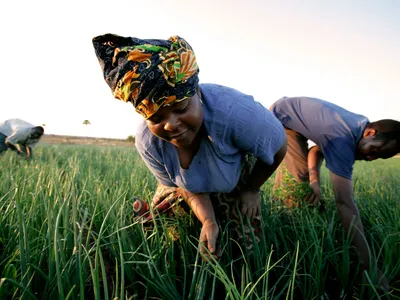
As part of the Food Systems, Land Use and Restoration Impact Program, this child project will contribute to the preservation of ecosystem services in some of Tanzania’s key agricultural growth areas.
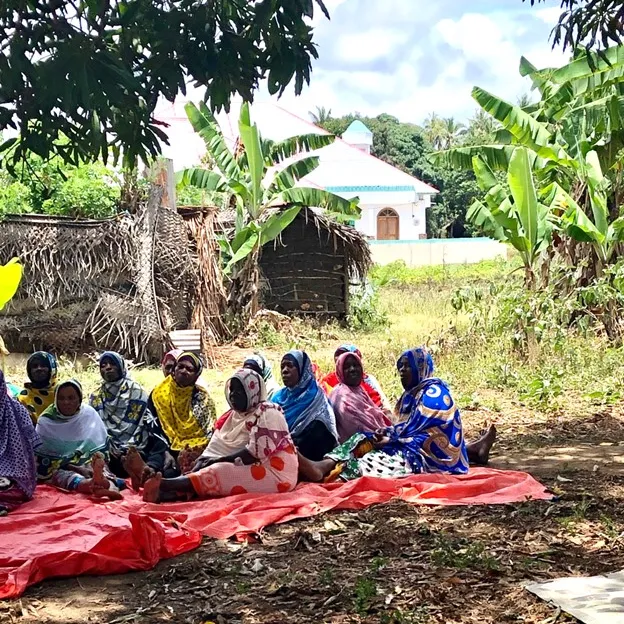
© Rachel Kaplan
Tanzania is currently the 2nd largest rice producer in South, East and Central Africa, with rice production having more than tripled between 2004 and 2015. The rice sector is currently a key point of attention for Government and donor supported programs aimed at intensification and extensification, and there is a growing interest in export to supply adjacent Africa states. However, production is currently small scale, with current yields amongst the lowest in the world. and inefficient supply chains, post-harvest handling and poor transport networks. In addition, rice expansion puts pressure on Tanzania’s rich forest lands and wetlands.
This project is focused on two landscapes in Tanzania, both critical for rice production: the Kilombero Valley and North Unguja (Zanzibar). The aim is to promote integrated land and water management, restoration, and sustainable rice value chains to prevent deforestation and land degradation. Expected project results include: 40,000 ha of land restored, 1,202,690 ha of landscapes under improved practices, and 11,686,815 metric tons of Greenhouse Gas Emissions mitigated. The Project is aligned with the GEF 7 Food, Land Use, and Restoration (FOLUR) Impact Program.
Country: Tanzania
Focal area: Biodiversity, Land Degradation
Project status: Implementation
GEF Project ID: 10262
Program: Food Systems, Land Use and Restoration#10201
Implementing Agencies: WWF-US
Executing Agency: Ministry of Natural Resources and Tourism
GEF Project Grant: US$ 7,368,808
GEF Agency Fee: $681,192
Co-financing: US$ 72,686,863
Program Website: https://www.folur.org/
Child Project Concept Stage Documents
CEO Endorsement Documents
Environmental and Social Safeguards Documents
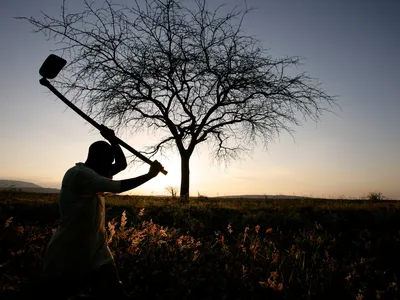
© Brent Stirton / Getty Images / WWF-UK
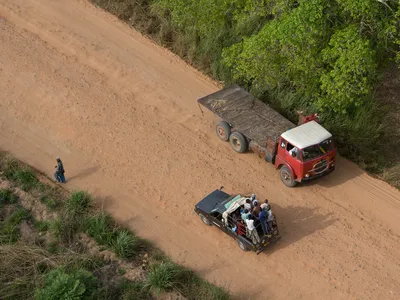
© Michael Poliza / WWF
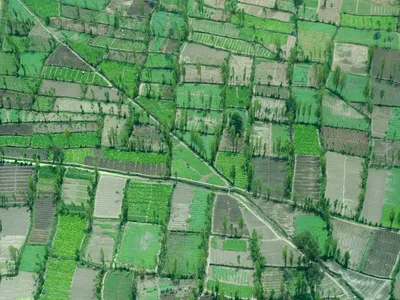
© Brent Stirton / Getty Images / WWF-UK
© Brent Stirton / Getty Images / WWF-UK