Jaguar Corridors in the Face of Rapid Environmental Change: A dynamic monitoring and assessment system for prioritizing conservation investments
This project will develop a dynamic monitoring and assessment system to enable prioritization of conservation investments, strengthen ecological connectivity and restoration, and contribute to the improvement of the effective management of biodiversity.
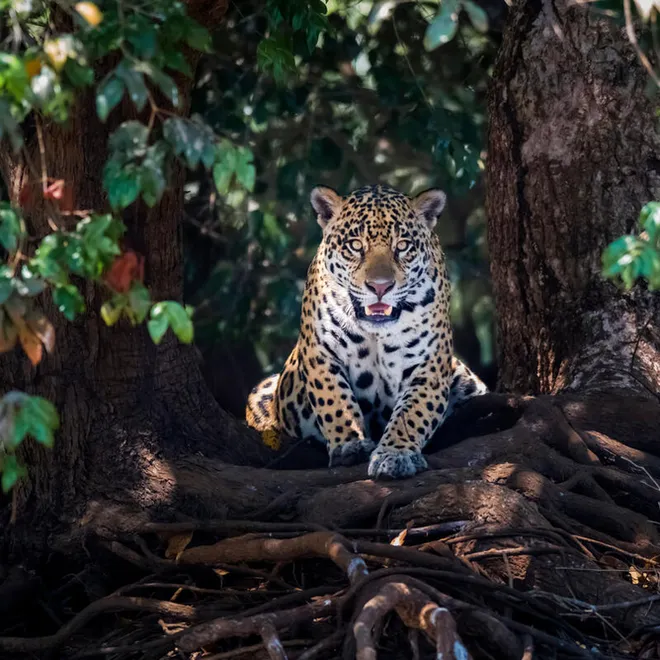
© naturepl.com / Gabriel Rojo / WWF
The Gran Chaco is a global deforestation hotspot which has fragmented ecosystems and reduced connectivity between natural habitats. The jaguar has disappeared in approximately 40% of its original distribution in the Argentine Chaco, and the remaining populations are fragmented and declining.
The Pantanal is the largest wetland in the world, sustaining the highest concentrations of wildlife in the Neotropical zone. Jaguars occupy approximately 42% of the biome. There is a potential division into northern and southern populations due to high deforestation rates in the southern region (Ferraz et al., 2013). Also, fires have negatively impacted jaguar conservation over the last 16 years, reducing populations, home range areas, and protected areas within home ranges.
The Gran Chaco and the Pantanal are interlinked. Unsustainable economic practices and development activities in the highlands of the Upper Paraguay River Basin, including Gran Chaco, Cerrado, and Chiquitano Dry Forest, are jeopardizing the Pantanal’s ecological health and its ability to provide critical ecosystem services. Compounding this threat is the region’s hydrological imbalance: evapotranspiration rates in the Pantanal exceed local rainfall, rendering the wetland reliant on water inflows from upstream highland areas to sustain its ecological functions.
Conserving biodiversity over time in a dynamic region such as the Pantanal-Chaco requires innovative solutions that improve decision-makers’ situational awareness and provides them with rigorous and actionable information to guide where to invest scarce resources to conserve this global biodiversity hotspot and carbon sink. The project will develop a dynamic monitoring and assessment system for the Pantanal-Chaco (PACHA) region to enable prioritization of conservation investments; strengthen ecological connectivity and restoration; and improve the effective management of biodiversity (including protected areas).
Country: Bolivia, Brazil, Paraguay
Focal Area: Biodiversity – Innovation Program
Project Status: CEO Endorsed
GEF Project ID: 11914
Implementing Agency: World Wildlife Fund, Inc.
Executing Agency: Fundacion Vida Silvestre de Argentina
GEF Project Grant: USD 1,845,500
Co-Financing: USD 1,152,382
GEF Agency Fee: USD 152,381
CEO Endorsement Documents
Environmental and Social Safeguards Documents
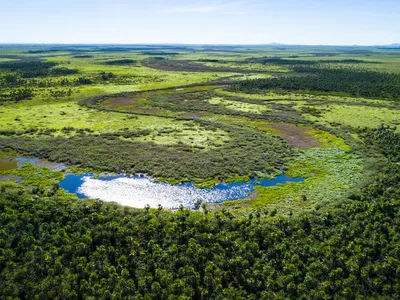
The project will take place across the Pantanal, the world's largest tropical wetland and the Gran Chaco, a semi-arid lowland plain in south-central South America.
© Andrés Unterlasdtaetter / WWF-Bolivia
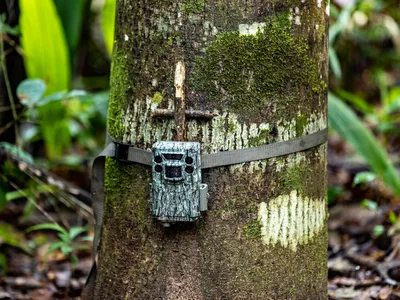
Camera traps like this are used in monitoring jaguars in their habitats.
© camilodiazphotography / WWF Colombia / WWF-UK
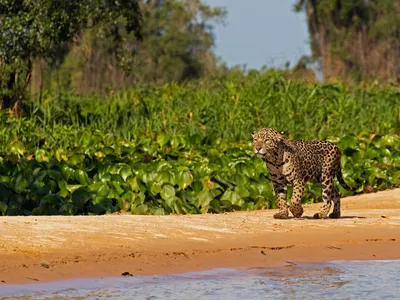
There are an estimated 173,000 jaguars left in the wild globally
© Don Getty