Partnerships
Together possible
The challenges that the global environment is facing today are too big and important for any one organization to solve alone. That’s why WWF works with multisector partners to develop and implement the solutions that meet the scale and urgency of the interlinked crises of biodiversity loss, climate change, and inequality. WWF’s partnerships span all sectors and scales, from local civil society organizations to national governments to global corporations.

© Aaron Gekoski / WWF-US
Civil society partnerships
WWF’s partnerships with civil society organizations are critical to advancing inclusive conservation. WWF’s civil-society partnerships encompass our partnerships with local communities, including their community-based organizations; Indigenous Peoples, including their representative Indigenous associations; non-governmental organizations, including development and humanitarian organizations; academic partners, including universities and research institutions; and civil society coalitions. WWF partners with these actors in diverse ways, from developing joint programs of work that address the linked needs of communities and the planet to engaging in joint research to inform programmatic decision-making and contribute to the evidence base around effective, inclusive conservation to supporting collective advocacy around shared goals, such as advancing human rights in conservation.
© WWF-US / Jerry Mushala
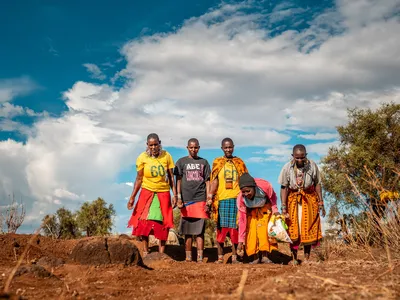
CARE-WWF Alliance
Powered by two global conservation and development leaders, the Alliance leverages complementary skills, competencies, and scale to strengthen ecosystems, support the women who depend on them, and help build a future where people and nature thrive.
© Luis Barreto / WWF-UK
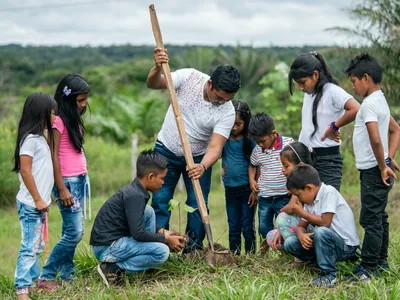
Heart of Conservation Initiative
Collaborates with 10 core Indigenous Peoples and local community partners to implement their self-determined plans to steward their territories, lands and resources in ways that deliver global environmental benefits, organizational strengthening, and sustainable livelihoods.
© Greg Sanders, USFWS
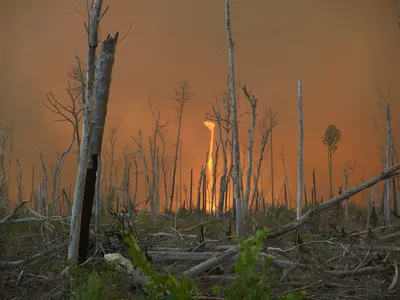
Environment and Disaster Management program
Through a ground-breaking partnership with the American Red Cross, continues to collaborate to break down silos between the humanitarian and environmental fields, building mutual learning and experience in a way that translates to strengthen the resilience of communities.
Public sector partnerships
WWF’s partnerships with governments and international institutions are critical to advancing our vision of rights-based, inclusive conservation. In many places around the world, conservation would be impossible without the engagement and support of governments. Governments and international institutions comprised or funded by governments play a variety of roles, from being standard setters, funders, and core partners in ensuring capacity and enabling conditions to implementing conservation work on the ground through protected areas and other effectively managed conservation areas.
Governments also play another crucial role in successful conservation, that of duty-bearer: governments bear the primary responsibility for respecting, protecting, and fulfilling human rights. Critically, governments can create policies and regulations that recognize customary tenure rights and enable community-based natural resource management, or in facilitating consultation processes, such as Free Prior and Informed Consent with Indigenous Peoples.
WWF works with governments in diverse ways, recognizing that conservation efforts can bring both challenges to human rights and opportunities to realize human rights.
Some illustrative WWF partnerships with the public sector include:

© Adriano Gambarini / WWF Living Amazon Initiative
Partnering with the Global Environment Facility and the government of Brazil
WWF, the government of Brazil, and the Global Environmental Facility’s Global Biodiversity Framework Fund are implementing a project focused on engaging Indigenous Peoples, traditional peoples, and local communities in the management of endangered species conservation in the Caatinga ecosystem. The project targets species conservation by combating wildlife poaching and trafficking and engaging communities in protected area governance, as well as the management and sustainable use of natural resources.

© Nyal Mueenuddin WWF Pakistan
Partnering with the Green Climate Fund and the government of Pakistan
In 2022, catastrophic flooding devastated Pakistan. Preventing reoccurrences of such flooding requires a whole-of-society approach to resilience. Towards that end, WWF, the Green Climate Fund, and the Coca-Cola Foundation partnered with the government of Pakistan, civil society organizations, and local communities to develop an ecosystem-based approach to flood and water resource management. In particular, it helps small-scale farmers and small businesses transition to practices that are more durable to climate impacts.
Corporate partnerships
At WWF, we recognize the pressure that businesses put on the environment. Our partners also understand that a healthy business depends on a healthy planet. Together, we work to support solutions to urgent conservation and development challenges such as deforestation, overfishing, water scarcity and insecurity, pollution, and climate change. Our corporate sustainability collaborations aim to reduce the company’s environmental footprint, raise awareness with their consumers and employees, and invest in nature.
Because business drives much of the global economy, companies have a unique responsibility and opportunity to ensure that the natural resources and ecosystems they depend on are managed sustainably and equitably. WWF partnerships with business support the delivery of sustainability goals, driving innovation and rapid adaptation to meet the Paris Agreement, Sustainable Development Goals, and the Global Biodiversity Framework by 2030.
Explore key corporate partnerships:
© Audra Melton / WWF-US
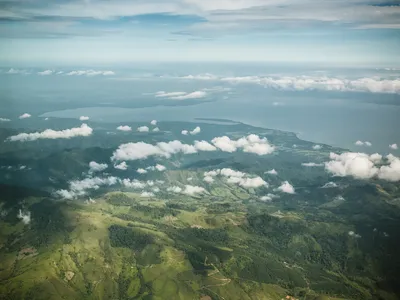
Coca-Cola
Together, Coca-Cola and WWF are creating a more resilient and water-secure future for people, nature, and business.
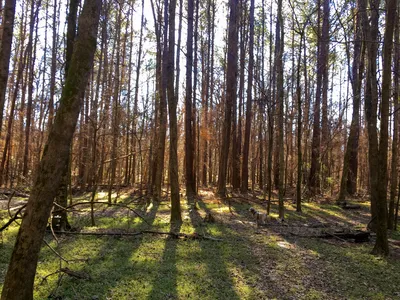
© Mississippi Center for Justice
The Heirs’ Property Initiative
The Heirs' Property initiative with Kimberly-Clark is helping historically underserved Mississippians keep generational land and conserve working forests.
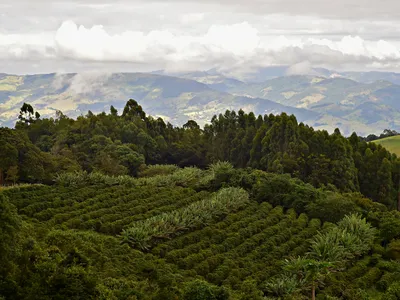
© Adriano Gambarini / WWF-US
HP Inc.
HP Inc. and WWF are partnering on a global scale to make production forests more sustainable, protect wild spaces, and restore forests we’ve lost.
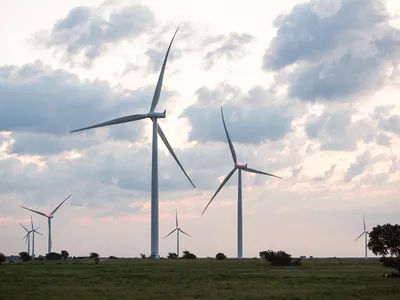
© WWF-US / Eric Kruszewski
Procter & Gamble
WWF’s partnership with P&G has resulted in critical tool development and thought leadership that advances ambitious sustainability strategies inside the company and beyond.
WWF has also helped shaped the sustainability landscape by co-developing key science-based certifications, targets, and coalitions, including: Science-based Targets Initiative (SBTI) and Science-Based Targets for Nature (SBTN); Taskforce on Nature-related Financial Disclosures (TNFD); and Sustainable commodity certifications, such as the Forest Stewardship Council® (FSC®) and the Marine Stewardship Council® (MSC).
Philanthropic partnerships

© Karine Aigner / WWF-US
In addition to rightsholders, government, and civil society, WWF engages private sector actors to invest in our conservation vision and contribute to initiatives we co-design with a wide range of partners at every level, from the communities on the ground to the halls of government. These actors include hundreds of high-net worth individuals, family foundations, and professional foundations. Their collective philanthropy contributes to the mosaic of partners that help create the most wide-ranging and durable benefits possible for people and nature.
This approach reflects the commitment of our philanthropic donors to ensure WWF’s initiatives address critical ecosystem threats while including and upholding the rights of communities and traditional knowledge holders. The individuals and foundations supporting our work, in alignment with their own mission and goals, have long encouraged our efforts to prioritize community-led solutions—especially in ways that include those who have historically been marginalized (e.g., women, Indigenous Peoples, rural communities, and local groups).
WWF’s non-governmental organization partnerships also drive philanthropic resources to high-impact conservation initiatives. This allows us to pool donors, leverage key relationships, and catalyze transformational gifts from individuals and foundations focused on making a difference at scale:
- Collaborations like Enduring Earth, with The Nature Conservancy, The Pew Charitable Trusts, and ZOMA LAB, amplify WWF’s technical expertise and convening power in service to the needs of people and nature everywhere.
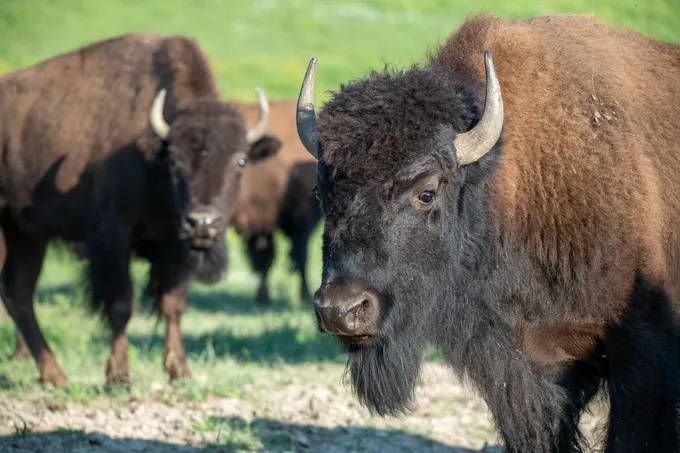
- Our partnerships with Tribal organizations, communities, and philanthropic institutions to advance Native-led bison restoration in the US Great Plains are another example of WWF’s efforts to co-lead inclusive conservation programming.
To learn more about the philanthropy forces behind our work, WWF’s Annual Report includes and celebrates the many individuals and foundations that help us fulfill an ever more vital mission—to build a future in which people live in harmony with nature.
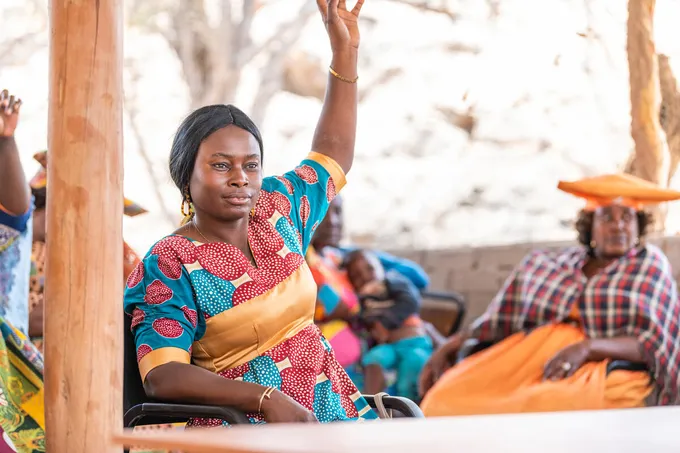
© CreativeLAB / WWF-US
© WWF-US/Clay Bolt