© Cat Holloway / WWF
Blue foods
Making blue food systems more resilient
Why blue foods matter
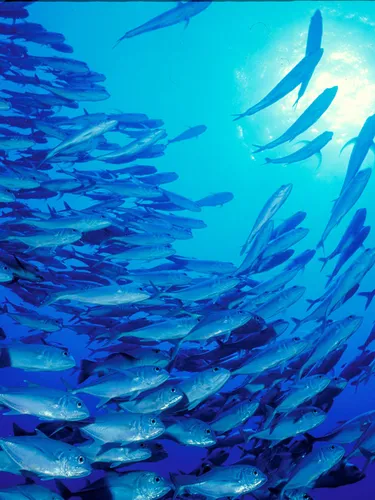
Blue foods—such as fish, crustaceans, and seaweed—underpin global food and economic security. Over 3 billion people rely on seafood as a primary source of protein and their livelihoods. Seafood is the most highly traded food commodity in the world, with the seafood sector generating $362 billion annually, employing hundreds of millions of people, and supplying more than 160 million metric tons of seafood each year.
Our approach to blue foods
We make blue food systems more resilient. Our work in fisheries and aquaculture advances livelihoods, food security, and marine ecosystem health. Our work with seafood markets engages global seafood buyers and their supply chains in responsible, sustainable sourcing. Our peace and security work promotes collaborative management, inclusive solutions, and durable conservation to protect nature.
Our blue foods work
© Christian Zelaya / WWF-Peru
Fisheries and aquaculture
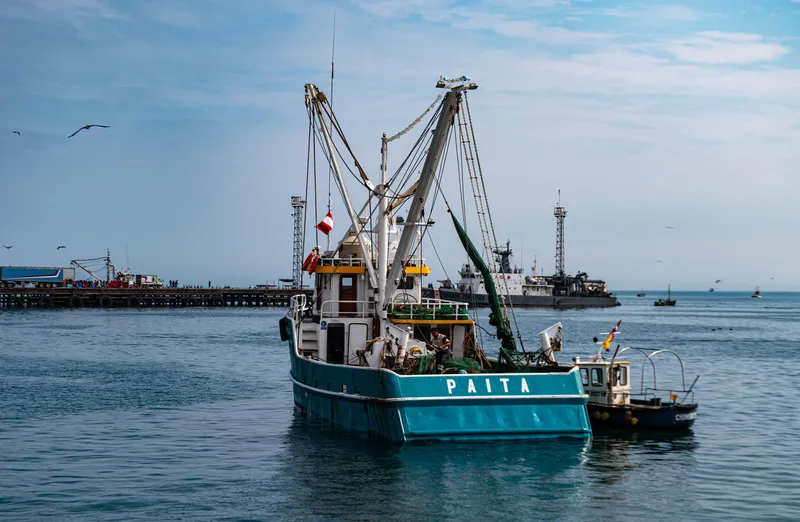
With billions of people dependent on seafood for protein and livelihoods, aquaculture is critical to meeting growing global demand. For more than 20 years, WWF has partnered with fishing and aquaculture resource users to protect marine wildlife, reduce illegal fishing, advance responsible aquaculture, and transform fisheries and aquaculture systems at scale through jurisdictional initiatives and global engagement.
OUR IMPACT: 77 fish stocks supported through improvement projects around the world.
© Yawar Motion Films
Seafood markets
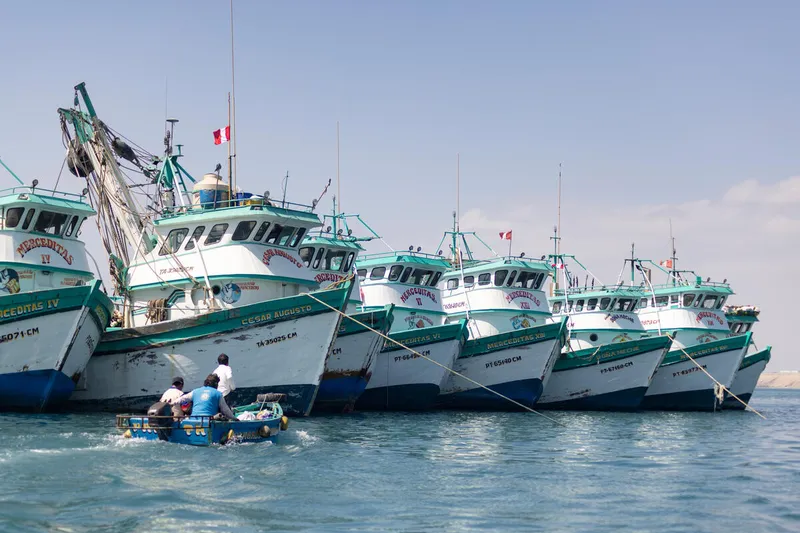
Seafood is a $362 billion industry and global seafood consumption is over 150 million metric tons a year. Over the past 20 years, WWF has partnered with more than 80 of the world’s largest seafood buyers and their supply chains to support responsible, sustainable sourcing from certified fisheries and farms. We’re advancing the Seafood Improvement Hierarchy to protect nature and people, strengthen traceability, avoid illegal, unreported, and unregulated sourcing, and support climate-resilient, conflict-free seafood.
OUR IMPACT: Catalyzing $25 million in funds for fisheries improvement.
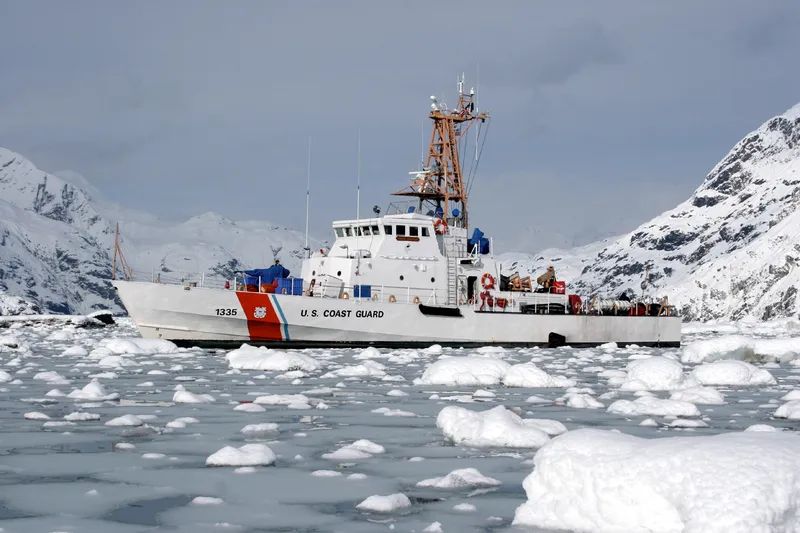
© USCG / Herbert Law
Peace and security
A peaceful ocean enables collaborative management, durable conservation outcomes, and the ability to advance geopolitical peace and security. WWF promotes bolder action to prevent fisheries conflict before it begins through a data- and AI-powered early warning platform, Oceans Futures. We build conflict-sensitive management capacity with communities and countries and secure trade policy reforms to reduce the risk of illegal seafood in US markets.
OUR IMPACT: Identified fisheries conflict hotspots and made engagement plans with development and security communities.
News and stories
-
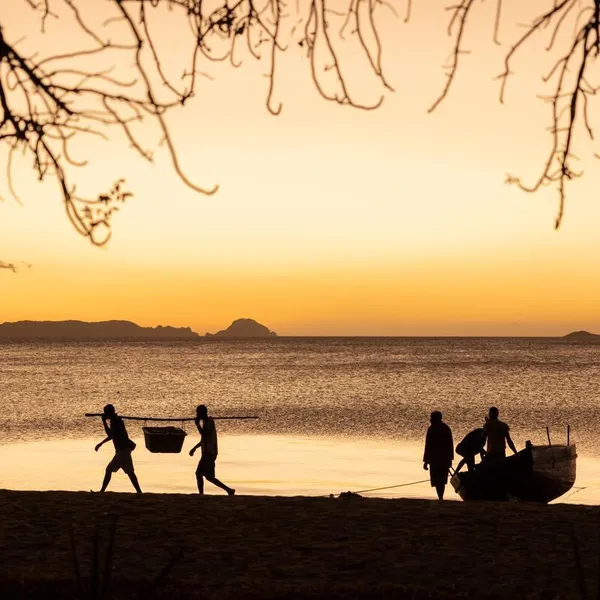
© WWF-US/Mac Stone
Rotten Fish 2.0: Corruption undermining sustainable fisheries, and what WWF is doing about it -
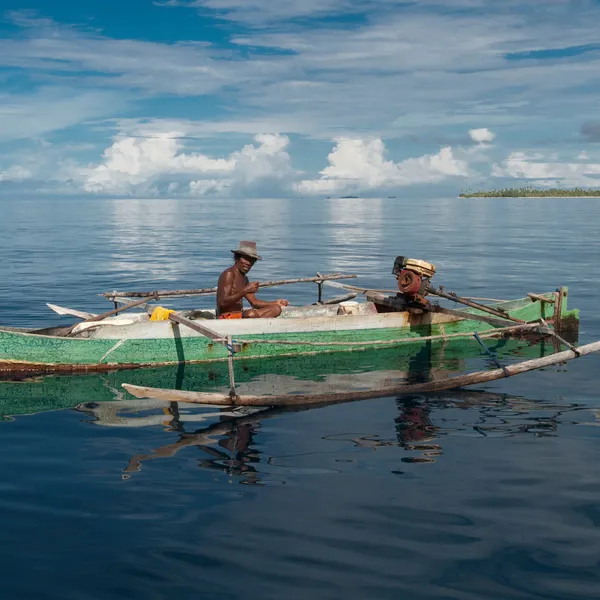
© Jürgen Freund / WWF
An exchange between Indonesia and Tanzania supports food security and ocean health -
© naturepl.com / David Fleetham / WWF
How reducing conflict at sea can advance ocean conservation
Projects
© Kyle LaFerriere / WWF-US
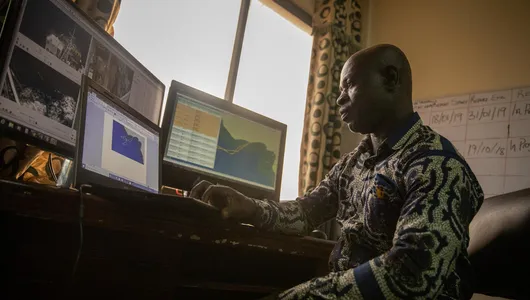
Implementing Electronic Monitoring (EM) on Industrial Fishing Vessels
Electronic monitoring—known as EM—involves advanced camera systems installed on fishing vessels to continuously record information during trips and monitor fishing activities. When integrated with other technologies, this tool can track vessel locations.
© Ocean Futures
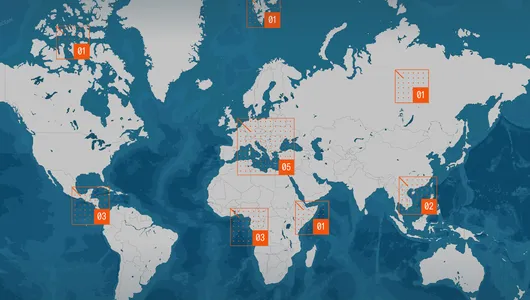
Oceans Futures
Access to fisheries has become a geopolitical flashpoint. Climate change is causing fish stocks to move, and newly fish-rich and fish-poor places will face increased conflict and disruptions to food and job security. Existing solutions are not enough, but there is still time to act.