© Green Oak/Shutterstock.com
Ocean markets and finance
Engaging markets and deploying capital
Why ocean markets and finance matter
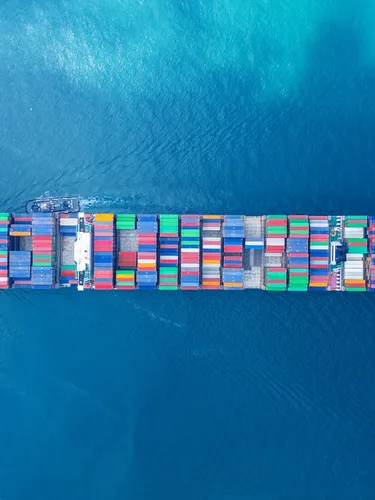
The ocean, or “blue,” economy delivers immense global value—more than $24 trillion in assets—producing roughly $2.5 trillion annually in goods and services and supporting millions of jobs across sectors including seafood, tourism, offshore wind, and shipping. Yet declining ocean health puts an estimated $8.4 trillion of this value at risk, with consequences for companies across all major sectors.
Our approach to ocean markets and finance
We engage markets to transform business-as-usual and deploy capital towards a nature-positive ocean economy through our work with the private sector across seafood, shipping, marine renewable energy, coastal and marine tourism, and finance. Our work is grounded in nature-positive science and supported by blended and innovative finance to enable sustainable ocean conservation.
Our ocean markets and finance work
© Shutterstock / Damsea
Nature-positive science
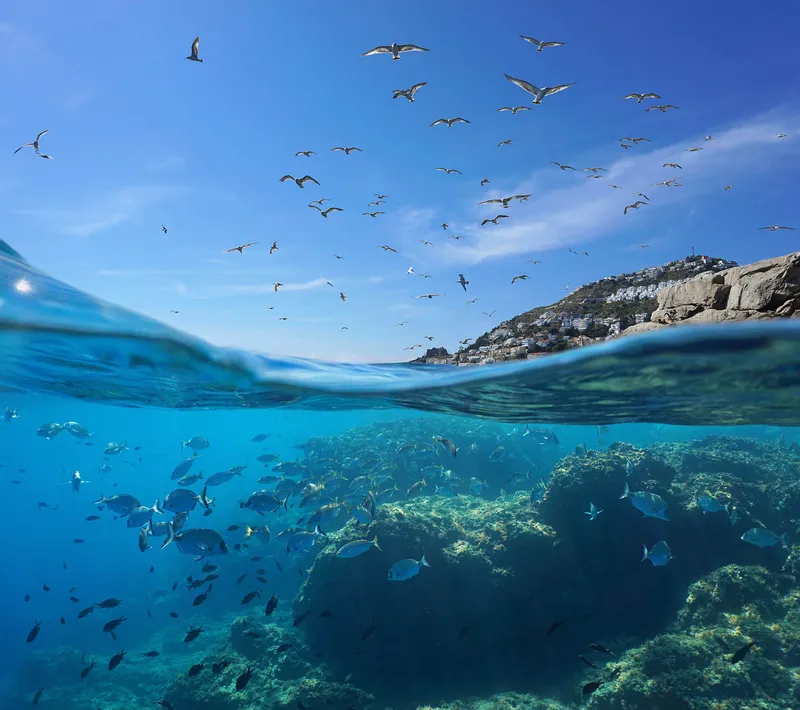
Nature Positive is a global societal goal to ‘halt and reverse nature loss by 2030 on a 2020 baseline, and achieve full recovery by 2050’, in line with the mission of the Kunming-Montreal Global Biodiversity Framework. Our nature-positive science work produces cutting-edge research and guidance for companies, financial institutions, and policymakers to make credible contributions to the Nature Positive global goal, including co-leading the Science Based Targets Network (SBTN) Ocean Hub and leading research on Nature Positive Ocean Pathways.
© Yawar Motion Films
Seafood
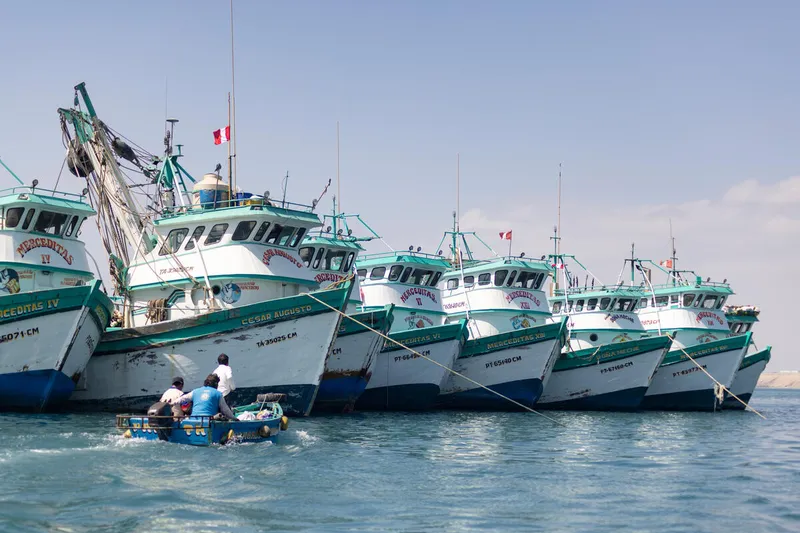
Seafood is a $362 billion industry and global seafood consumption is over 150 million metric tons a year. Over the past 20 years, WWF has partnered with more than 80 of the world’s largest seafood buyers and their supply chains to support responsible, sustainable sourcing from certified fisheries and farms. We’re advancing the Seafood Improvement Hierarchy to protect nature and people, strengthen traceability, avoid illegal, unreported, and unregulated sourcing, and support climate-resilient, conflict-free seafood.
OUR IMPACT: Catalyzing $25 million in funds for fisheries improvement.
© Elisabeth Kruger / WWF-US
Shipping
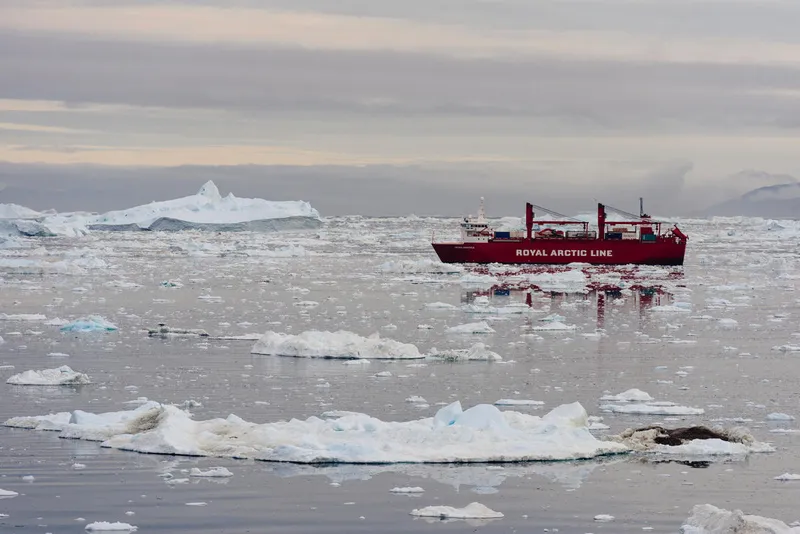
The international shipping industry transports 80%–90% of world trade and is critical to international trade and the import and export of essential goods, including food. WWF works with the shipping sector, financial institutions, and policymakers to advance nature-positive efforts to decarbonize, minimize pollution, avoid impacts on wildlife and restore and generate marine ecosystems and biodiversity—aligned with global frameworks such as SBTN and TNFD.
KEY FIGURES: 80%-90% transportation of world trade
© Erlend Haarberg / naturepl.com / WWF
Marine renewable energy
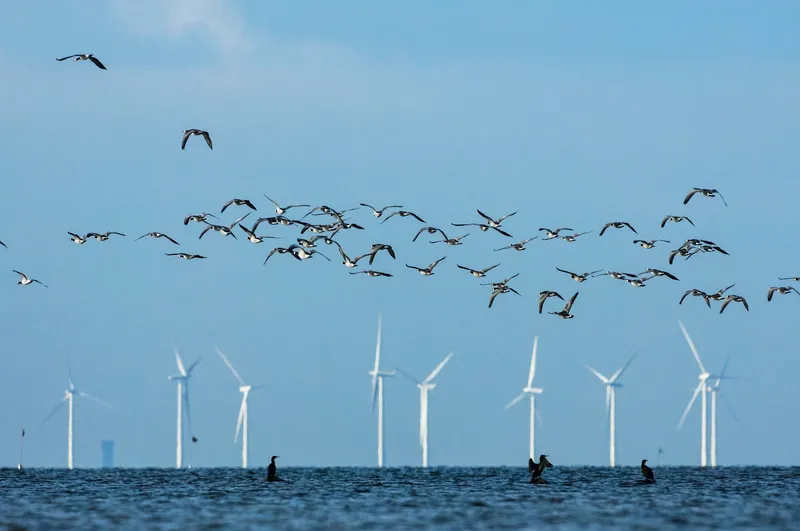
Marine renewable energy sources, like offshore wind, are critical to reducing carbon emissions and improve air and water quality, as well as health and biodiversity. WWF works with the offshore wind sector, financial institutions, and policymakers to reduce impacts on nature, biodiversity, and coastal communities, while protecting and restoring critical ecosystems and habitats—aligned with global frameworks such as SBTN and TNFD.
KEY FIGURES: 73 million households worldwide powered by offshore wind energy
© Elisabeth Kruger
Coastal & marine tourism
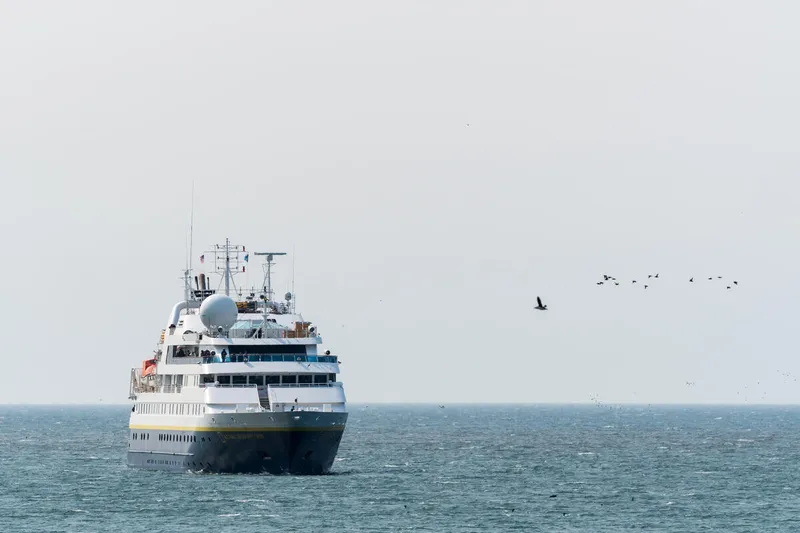
Approximately 50% of global tourism takes place next to the coastline, contributing significantly to local and regional economies. WWF works with the coastal and marine tourism sector, including tourism operators, hotel chains, cruise companies, financial institutions, and local partners in priority seascapes to reduce impacts on nature, biodiversity, and coastal communities and invest in the protection, sustainable management, and restoration of critical coastal and marine ecosystems.
KEY FIGURES: $655 billion value at risk in the next 15 years

© Volodymyr TVERDOKHLIB/Shutterstock
Financial institutions
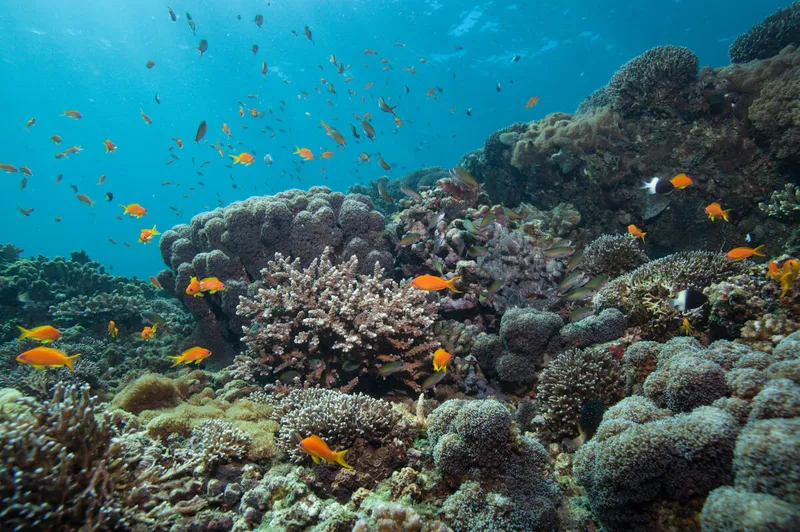
Financial institutions provide substantial capital to companies that operate in the 'blue economy.' Pricing nature-related risks into the cost of capital can redirect financial flows away from harmful activities. WWF develops guidance for banks, investors, and insurers to align financial flows with a nature-positive blue economy. We promote best practices for ocean-related lending, investment, stewardship, and sustainable or transition finance frameworks, as well as disclosure frameworks.
OUR IMPACT: $9.6 trillion combined assets of investors in phase 2 of the Ste
© Philipp Kanstinger / WWF
Blended and innovative finance
Sustained ocean conservation requires blended financing that mobilizes public, philanthropic, and private capital to generate long-term resources that empower coastal communities, strengthen nature-positive enterprises, and sustain marine ecosystems. WWF combines large-scale, multi-actor, long-term conservation finance models to support marine protection and sustainable management at scale. We support community-based management of marine resources and design global and local financing mechanism that address key threats to oceans health.
OUR IMPACT: $250 million in direct funding mobilized via projects under design and implementation
News and stories
-
© Meridith Kohut / WWF-US
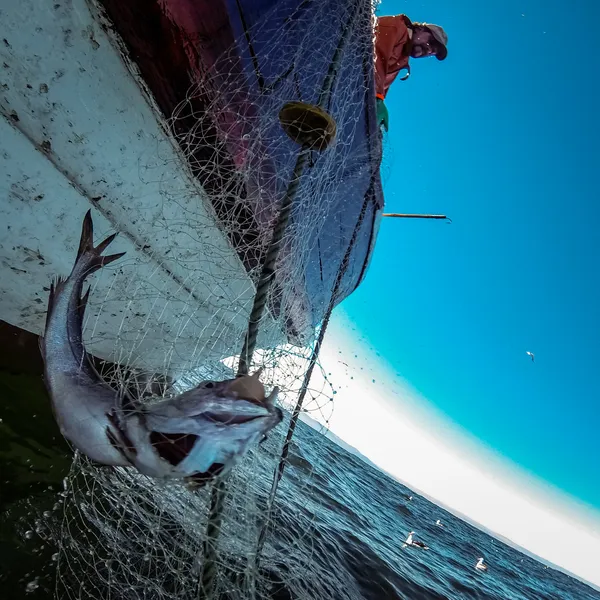
Climate change will lead to conflict at sea. A new platform helps predict where—and how to prevent it. -
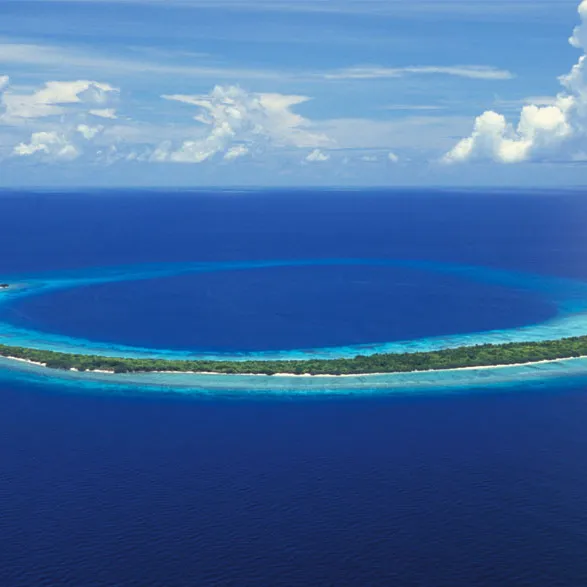
© Maldives Tourism Promotion Board
Learning | Vision setting: a sustainable coastal and marine tourism sector: part one -
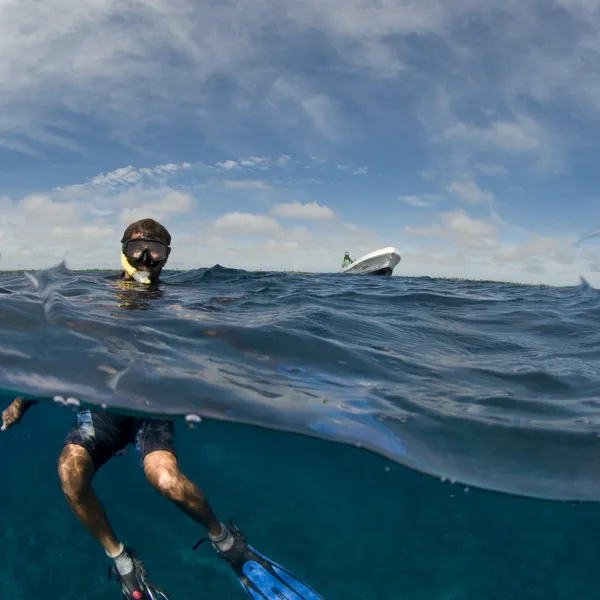
© Antonio Busiello/WWF-US
Learning | Vision setting: A sustainable coastal and marine tourism sector – part two
Projects
Towards Nature Positive for the Ocean
Towards Nature Positive for the Ocean provides a first-of-its-kind guide specifically designed to support companies operating in marine and coastal environments. It offers practical, science-based pathways to help businesses credibly contribute to the global nature-positive goal: halting and reversing biodiversity loss by 2030, and achieving full recovery by 2050.

© Shutterstock / Damsea
Publications
Experts
-

Dr. Rachel Golden-Kroner
Director of Nature Positive, Oceans
-
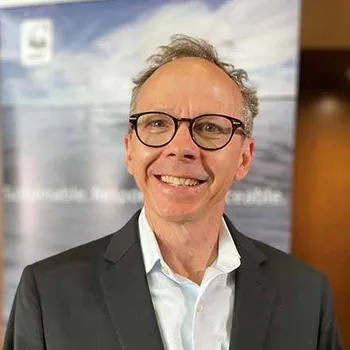
Michael Griff
Director, Seafood Markets
-

Lucy Holmes
Senior Director, Ocean Markets and Finance
-

Lauren Lynch
Manager, Blue Finance (Ocean ESG)
-

Mark Richardson
Director, Market Data & Systems Transparency, Ocean Markets and Finance
-
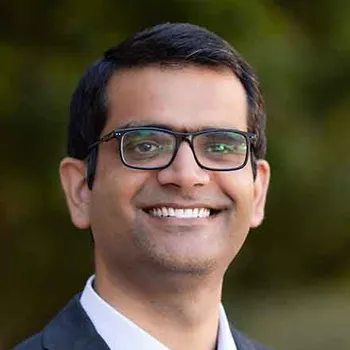
Shashank Singh
Manager, Blue Finance