From potential to action: OECMs and inclusive conservation in Latin America
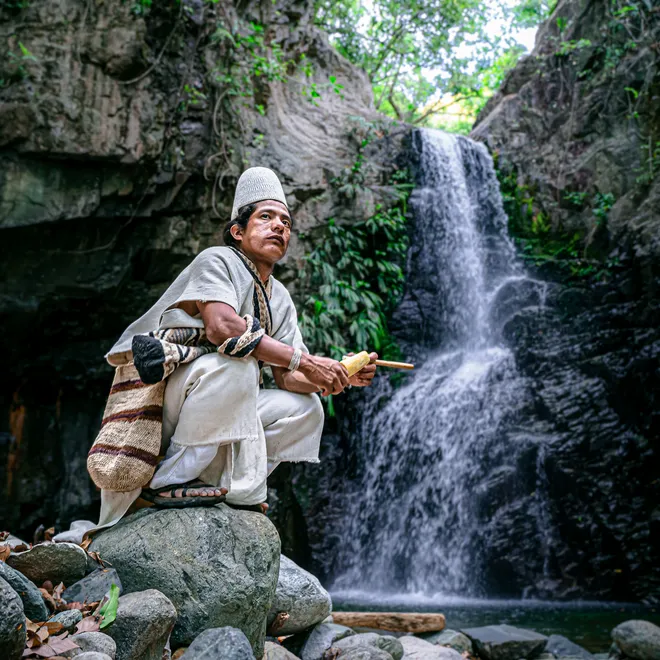
© Davian Cámara/ WWF Colombia
Other Effective Area-Based Conservation Measures (OECMs) are areas that achieve long-term biodiversity conservation outside traditional protected areas, often led by Indigenous Peoples, local communities, and private actors. This approach reflects the principles of inclusive conservation, ensuring equity, respecting rights, and strengthening local stewardship to make biodiversity outcomes more durable and just.
This report examines how inclusive conservation can be advanced through OECMs across six countries—Bolivia, Brazil, Colombia, Ecuador, Mexico, and Peru. We adopt a broad perspective that examines the conditions shaping inclusive conservation in these countries and contrasts them with the lived realities, needs, and perspectives on the ground. The report provides actionable insights for integrating OECMs into national strategies in ways that respect local realities, helping countries meet the Global Biodiversity Framework’s Target 3 while fostering bottom-up, context-sensitive solutions.
Key findings
- Inclusive conservation requires enabling conditions including strong legal frameworks, supportive policies, and long-term financial systems.
- Tenure security and territorial protection are essential for lasting impact.
- Inclusive conservation is a journey, not a race. Lasting change takes time, trust, and locally grounded processes.
- OECMs work best through bottom-up approaches that respect Indigenous and local governance and knowledge.
- Voluntary and private conservation systems offer opportunities to learn and build resilience.
- Conservation strategies must evolve with communities and adapt to changing needs.
- Monitoring should be practical, credible, and respectful—balancing rigor with what communities can sustain.
Downloadable assets
Synthesis report
From Potential to Action: OECMs and Inclusive Conservation in Latin America
Executive summary and recommendations

© WWF/Tatiana Cardeal