The Future of Water
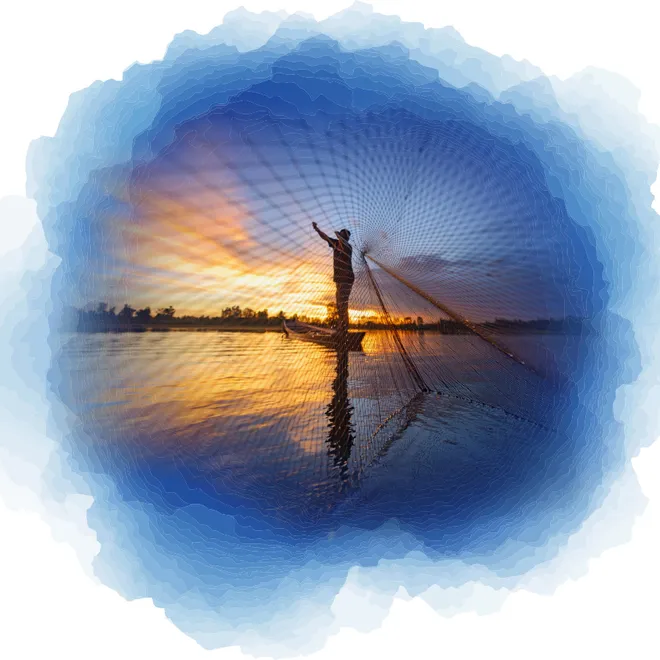
Water is essential for everything and everyone, providing a range of services, including clean drinking water for people and wildlife, habitat for freshwater species, and flood-risk reduction. But freshwater ecosystems are in crisis.
© WWF
The 2025 Thomas Lovejoy Science Nature for Nature Symposium will explore what a resilient water future looks like. This symposium brings together leading scientists, innovators, and community voices to share visionary approaches for building water resilience. Drawing on both ecosystems and social systems, we'll examine the boundaries of sustainable water systems, the solutions needed to build a resilient water future, and the ways to maintain resilience in the face of the risks and disruptions that threaten this future.
Agenda
Welcome and Fireside Chat
- Welcome
Carter Roberts, President & CEO, World Wildlife Fund - Unbalancing Conservation: Why Ecosystems and Economies Need Freshwater Resilience
John Matthews, Executive Director, Alliance for Global Water Adaptation (AGWA) - Fireside Chat
John Matthews and Rebecca Shaw, Chief Scientist, World Wildlife Fund
Visions for a Resilient Water Future
- People-centered Approaches to Transform Aquatic Food Systems to Nourish People and Ecosystems
Dr. Shakuntala Haraksingh Thilsted, Nutrition Adviser, CGIAR - Insuring Against a Future of Flood Risk- Can Premiums Be Leveraged to Incentive Natural Infrastructure?
Beth Tellman, Assistant Professor, University of Wisconsin-Madison Nelson School of Environmental Studies, Co-founder and Chief Science Officer, Floodbase - Transforming Risk into Resilience - The story of Recharge Pakistan
Muhammad Fawad Hayat, Senior Director, Recharge Pakistan, WWF-Pakistan - Chasing Water Sustainability in a Rapidly Changing World
Brian Richter, President, Sustainable Waters - Building Urban Ecosystems for a Changing Climate: Sponge Parks of Chennai, India
Sourav Kumar Biswas, Co-founder and Director of Resilient Infrastructure, Sponge Collaborative - Discussion
Moderated by Jeff Opperman, Global Freshwater Lead Scientist, World Wildlife Fund
Securing a Resilient Water Future
- Thriving in an Age of Drought and Deluge
Erica Gies, National Geographic Explorer and Author of Water Always Wins - Shaping a Water-secure Future Through the Wise Use of Wetlands
Dr. Musonda Mumba, Secretary General, Ramsar Convention on Wetlands - Discussion
Moderated by Michele Thieme, Vice President and Deputy Lead of Freshwater, World Wildlife Fund
Closing
- Rebecca Shaw, Chief Scientist, World Wildlife Fund
Bios
© Courtesy of Beth Tellman
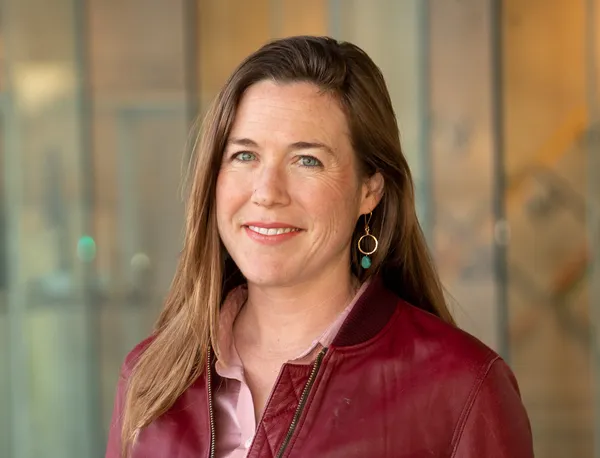
Beth Tellman
© Courtesy of Beth Tellman
Beth is an assistant professor at the University of Wisconsin–Madison in the Nelson School of Environmental Studies whose research addresses the causes and consequences of global environmental change on people, with a focus on flood risk and land use change. She engages in multiple disciplines and methods to “socialize the pixel” or understand the social processes behind environmental change captured in satellite image pixels and leverage satellite data to improve human well-being. She is a co-founder and chief science officer of Floodbase, a public benefit corporation that leverages remote sensing to build flood parametric insurance products. She is a former Echoing Green Fellow and Fulbright Fellow, and she won an NSF CAREER award. Beth co-founded an NGO in Mexico, Umbela, to promote transformation from Global South perspectives. Beth is passionate about co-producing knowledge with actors outside academia to achieve social impact.
© Courtesy of Brian Richter
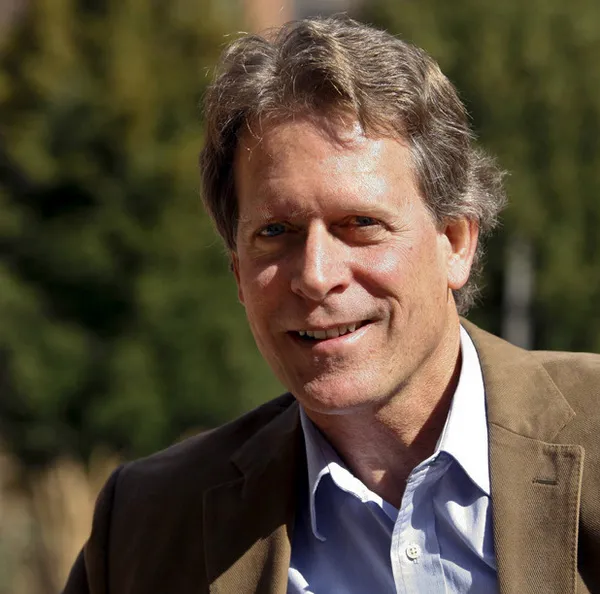
Brian Richter
© Courtesy of Brian Richter
Brian Richter has been a global leader in water science and conservation for more than 30 years. He is president of Sustainable Waters, a global organization focused on water scarcity challenges. He previously served as director of the Global Water Program of The Nature Conservancy. Brian has consulted on more than 170 water projects in 40 countries. He has served as a water advisor to some of the world’s largest corporations, investment banks, and the United Nations, and has testified before the US Congress on multiple occasions. His scientific papers have been cited more than 36,000 times. His latest book, Chasing Water: A Guide for Moving from Scarcity to Sustainability, has been published in five languages.
© Courtesy of Erica Gies
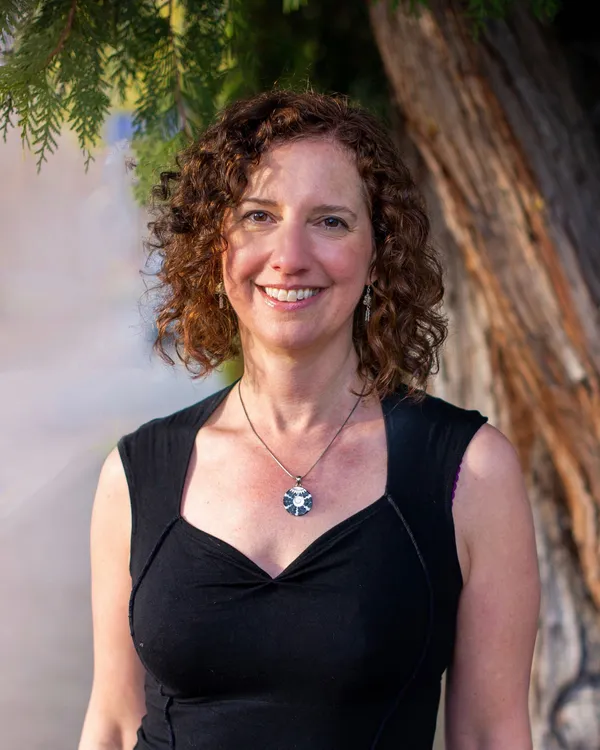
Erica Gies
© Courtesy of Erica Gies
Erica Gies is the author of Water Always Wins: Thriving in an age of drought and deluge, a National Geographic Explorer, and an independent journalist who writes about water, climate change, plants, and animals for publications including The New York Times, Nature, Scientific American, The Atlantic, and other publications. Published in the US, UK, and China, Water Always Wins won the Rachel Carson Award for Excellence in Environmental Journalism, the California River Award, an honorable mention from the Society of Environmental Journalists, and was a finalist for the Falling Walls Science Breakthrough of the Year. She’s been a guest on NPR’s Science Friday, CNN International, Fox News, KERA Think, KQED Forum, New Mexico PBS, CBC What on Earth, and more.
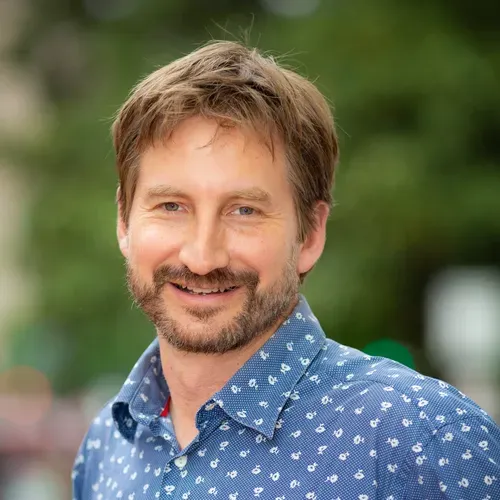
© Courtesy of Jeff Opperman
Jeff Opperman
© Courtesy of Jeff Opperman
As global lead scientist for freshwater, Jeff works across the WWF network and with external partners to direct research that can strengthen conservation strategies and to integrate science into freshwater programs and projects.
Jeff came to WWF from The Nature Conservancy where he served as the director and lead scientist of the Great Rivers Partnership. His scientific and policy research has been published in journals such as Science, BioScience, and Ecological Applications and he is the lead author of the book Floodplains: processes and management for ecosystem services, published in 2017.
Jeff strives to communicate the challenges and opportunities of protecting freshwater through op-eds, articles and blog posts in such places as Outside, National Geographic, Grist, and The Guardian, including a 10-part series featured on The New York Times website about traveling with his family down the Mekong River in southeast Asia, exploring the people and conservation issues of that region. He holds a PhD in ecosystem science from the University of California, Berkeley and a B.S. in biology from Duke University.
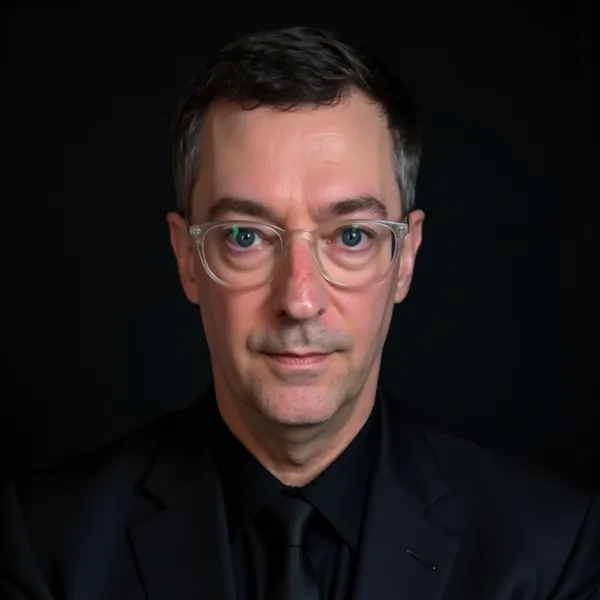
© Courtesy of John Matthews
John Matthews
© Courtesy of John Matthews
John has been working as a resilience scientist and practitioner since 2003 to mobilize water resources for more effective and durable climate action and policy.
The insight that water and climate issues were intimately connected led John to co-found the Alliance for Global Water Adaptation (AGWA) in 2010. AGWA was the first organization globally to bind these two domains in service of effective and coherent policy, science, and implementation. He remains the executive director, supporting AGWA technical and policy programs. His work has led to the development of a variety of climate risk reduction methodologies used in dozens of countries, prepared climate bond criteria that have certified more than US$20 billion in water resilience investments across six continents, and advised well over 100 countries on their national climate commitments. Before AGWA, he started and directed the global freshwater climate adaptation program at WWF.
Current work includes leading a team to leverage water as the binding agent for national and subnational climate planning and implementation. This work has mobilized more than US$16 million across four international organizations in more than a dozen countries so far. John has also been active in developing a new generation of resilience indicators, working with businesses to incorporate resilience within operations, and heading a program to engage macroeconomic planners and central bankers to blend resilience with traditional economic evaluation approaches.
Beyond AGWA, John is a courtesy professor at Oregon State University, an advisor to the Shockwave Foundation, and on the board of Living in Kindness. He runs the Deep Resilience Substack. John received a doctorate in ecology, evolution, and behavioral ecology from the University of Texas, Austin, and a Bachelor of Arts in anthropology and ethnomusicology from the University of Chicago. Before becoming a freshwater ecologist, John worked as a book editor in publishing for 12 years. He lives in Corvallis, Oregon, with his wife and son.
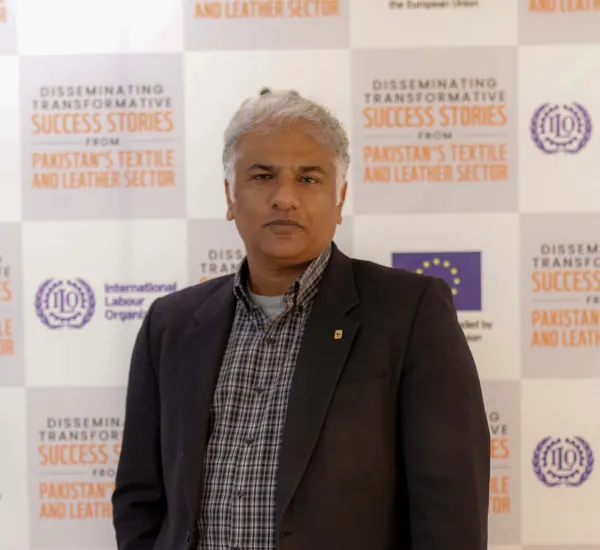
© Courtesy of Masood Arshad
Masood Arshad
© Courtesy of Masood Arshad
Dr. Masood Arshad is a hardcore conservationist with over 30 years of professional experience in the fields of environmental conservation, forest, wildlife, ecology, and rural development with a rich academic background from renowned universities in Pakistan and the UK (University of Newcastle Upon Tyne). He has been a part of World Wide Fund for Nature, Pakistan since December 1993 and is currently the senior director programmes, which covers Freshwater, Food & Agriculture, and Climate & Energy programs.
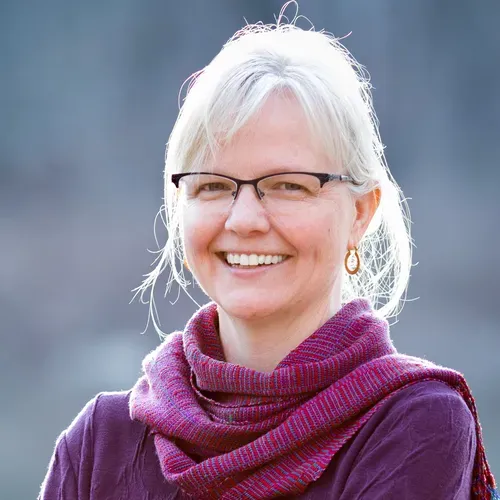
© Courtesy of Michele Thieme
Michele Thieme
© Courtesy of Michele Thieme
Michele Thieme is vice president and deputy lead of Freshwater for WWF-US and supports WWF’s efforts to conserve freshwater ecosystems and manage river basins to support biodiversity and human livelihoods. She works with WWF offices around the world to build the resiliency of freshwater systems with a particular focus on river-related infrastructure, dams, and planning, as well as evaluation of basin health. The WWF-US freshwater team focuses on interventions that support transboundary water governance, finance for bankable nature solutions, corporate water stewardship, and river conservation with the aim of maintaining and restoring healthy, connected freshwater ecosystems for people and nature. Michele has 25 years of experience in freshwater and spatial planning with over 30 scientific publications. Through relationships with academia, she brings the latest in science to applied river basin policy, management and conservation projects. She holds a B.S. in biology from University of Virginia and a Master’s in Fisheries Science from University of Arizona.
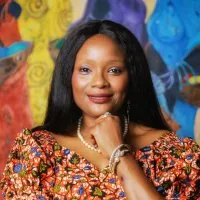
© Courtesy of Musonda Mumba
Musonda Mumba
© Courtesy of Musonda Mumba
Dr. Musonda Mumba is the Secretary General of the Convention on Wetlands and a Zambian-born environmentalist with over 25 years of global experience in environmental management and sustainable development. She joins the Convention from the United Nations Development Programme (UNDP), where she has served as senior advisor on the UN Decade on Ecosystem Restoration, leading UNDP’s engagement as a Strategic Collaborating Partner in the Decade, and as director for the Rome Centre for Sustainable Development, with a focus on climate change, sustainable development and nature protection.
Prior to joining UNDP, Dr. Mumba worked at the global headquarters of the UN Environment Programme for 12 years in different functions, including as head of the UNEP Terrestrial Ecosystems Programme.
She is the founder of the Network of African Women Environmentalists (NAWE) and she has received numerous accolades for her work, including being named one the 100 most influential African women. On International Women’s Day 2022, she was honored by the Global Landscape Forum (GLF) as one of 16 women from around the world restoring the planet.
She started her career at the Environmental Council of Zambia and has held positions with WWF at its international headquarters in Switzerland and in East Africa, as well as having worked at the Secretariat of the Convention on Wetlands as a junior professional between 1998 and 1999.
Dr. Mumba holds a PhD in Wetland Hydrology and Conservation from University College London (UCL) and has published extensively in scientific journals and as a contributor to book chapters and in news media. She is an honorary senior research associate at UCL and a visiting senior research fellow at the Perry World House (PWH) of University of Pennsylvania.
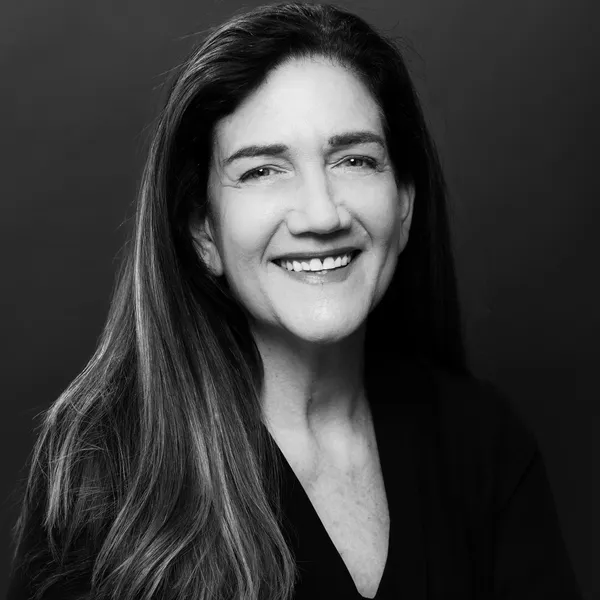
© WWF-US/Keith Arnold
Rebecca Shaw
© WWF-US/Keith Arnold
Dr. Rebecca Shaw is chief scientist and senior vice president at WWF. She works with experts around the world to identify the emerging challenges to WWF’s mission and advance scientific inquiry to develop strategic solutions to those challenges. She leads WWF’s global science team, whose research agenda informs WWF’s global conservation framework and identifies tools critical to achieving WWF’s goals. She has been published widely in leading peer-reviewed scientific journals such as Science and Nature and is the recipient of numerous awards for her academic and non-academic work. She was also a lead author on the Intergovernmental Panel on Climate Change's Fifth Assessment Report, focused on impacts, adaptation, and vulnerability.
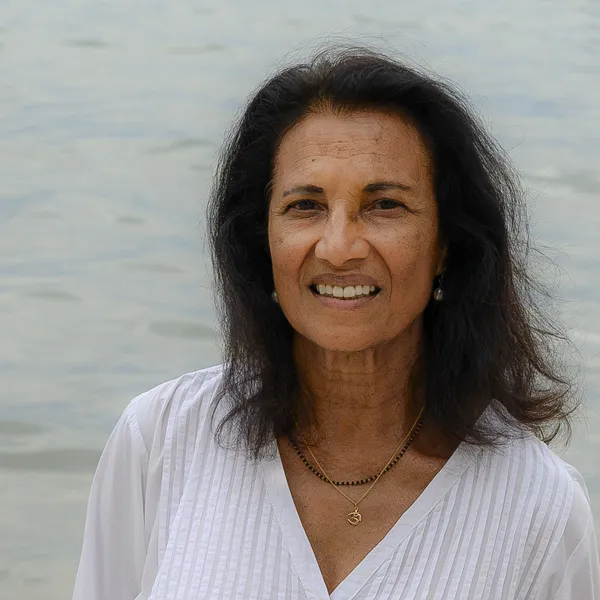
© Courtesy of Shakuntala Thilsted
Shakuntala Thilsted
© Courtesy of Shakuntala Thilsted
Shakuntala Haraksingh Thilsted is nutrition adviser, CGIAR. She was the director for Nutrition, Health and Food Security Impact Area Platform, CGIAR until early this year. She was previously the global lead for Nutrition and Public Health at WorldFish. She was awarded the 2021 World Food Prize for her groundbreaking research, critical insights, and landmark innovations in developing holistic, nutrition-sensitive approaches to aquatic food systems. She was awarded the 2021 Arrell Global Food Innovation Award for research innovation. She is chair of the Scientific Advisory Committee (SAC) of the UN Food Systems Coordination Hub and a member of the Food Systems Advisory Board of the UN Food Systems Hub. She was a member of the steering committee of the High Level Panel of Experts on Food Security and Nutrition (HLPE) of the United Nations Committee on World Food Security (CFS). She was vice chair of the UN Food Systems Summit 2021: Action Track 4–Advance Equitable Livelihoods, and also a Food Systems Champion. In 2022, Shakuntala was appointed co-chair of the EAT-Lancet 2.0 Commission. Shakuntala holds a PhD from the Royal Veterinary and Agricultural University, Denmark. She holds honorary doctorates from the Swedish University of Agricultural Sciences and The University of the West Indies.
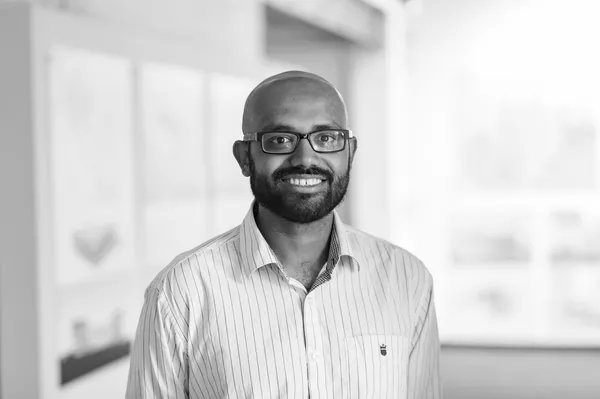
© Courtesy of Sourav Kumar Biswas
Sourav Biswas
© Courtesy of Sourav Kumar Biswas
Sourav Kumar Biswas is the co-founder and director of resilient Infrastructure at Sponge Collaborative, an interdisciplinary firm specialized in the design, planning, and implementation of nature-based solutions for climate adaptation, resilient cities, and sustainable tourism. He has 14 years of experience in urban and landscape planning, international development, geospatial analysis, and visual communication design. He has worked in more than 30 countries in Asia, Europe, the Americas, and Oceania. He has a masters in Landscape Architecture from Harvard University and a Bachelor of Architecture from University of Texas at Austin. He has worked with reputed design and international development firms including Sasaki, SLA, AECOM, GeoAdaptive, and Zofnass Program for Sustainable Infrastructure. He is the co-author of The Sponge Handbook: Chennai"and co-editor of From the South: Global Perspectives on Landscape and Territory. He is a contributor to climate working groups including UN's Partnership for Environment and Disaster Risk Reduction and IFLA's Climate Action Group.