Models for reuse systems
As efforts to address the global plastic waste and pollution crisis increase, there is a growing focus on reusing packaging and materials as a solution. Reuse systems can provide a number of potential benefits over conventional ”take-make-waste“ approaches, but it is important to ensure that these systems are built on a solid set of principles.
© Elizabeth Dalziel / WWF-UK
Why reuse systems matter
© WWF-US / Zachary Bako
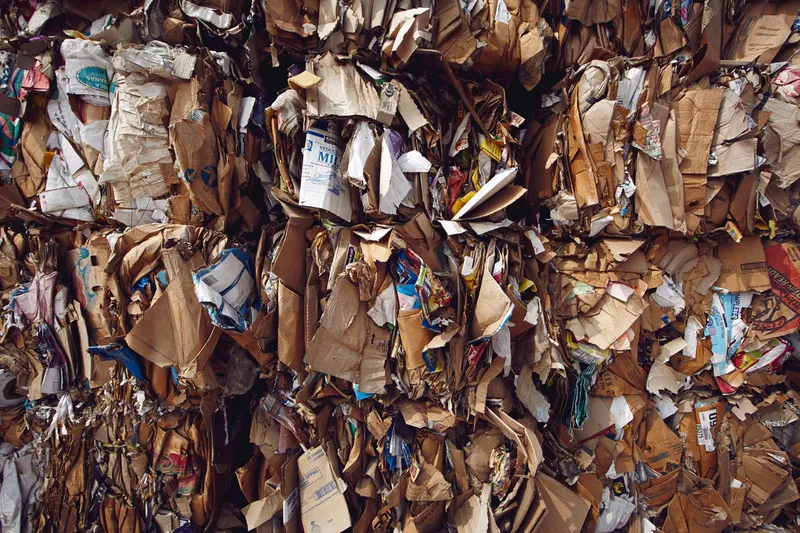
Consumption of single-use plastic has exploded in recent years, creating a global crisis that impacts nature, people, and the climate. To reduce this stress, we need to start by reducing how many resources we take from the planet and, just as importantly, start valuing the resources we already have in circulation. That’s where reuse systems come in.
Reuse plays an important role in helping reduce the amount of material in the system and allows us to extend the life of our resources, keeping value in the system for as long as possible. To ultimately achieve the reality of No Plastic in Nature, everyone—from companies and policymakers to cities and the public—must do their part to grow sustainable, accessible reuse systems.
The wide-scale adoption of innovative reuse models that are convenient, safe, affordable, and enjoyable could reverse the harmful throwaway culture that has plagued our society for decades. Just imagine if the products we rely on every day were designed with high-quality materials and the durability to be used time and time again, rather than crafted with the intention of becoming trash.
Reuse systems should be optimized to provide environmental, social, and economic benefits over the status quo. Reuse must be accessible, convenient, and affordable to be a successful strategy in reducing single-use plastic.
Keeping these valuable resources circulating for as long as possible in the material loop could lower the demand for new plastic and, in turn, reduce both the carbon emissions associated with production and the amount of waste flooding our oceans, rivers, and coastal communities.
Reuse has incredible potential as a high-impact solution to the plastic crisis, transforming the way we purchase and use materials. And the benefits go beyond just protecting our environment. Reuse can also open the door for much-needed innovation and growth, encouraging companies, governments, and cities to explore creative business models and new ways of serving the public.
What you can do to help
By choosing reusables instead of single-use, you can help keep resources circulating for as long as possible in the material loop. As more people choose reuse, it lowers the demand for new plastic and, in turn, reduces both the carbon emissions associated with production and the amount of waste flooding our oceans, rivers, and coastal communities.
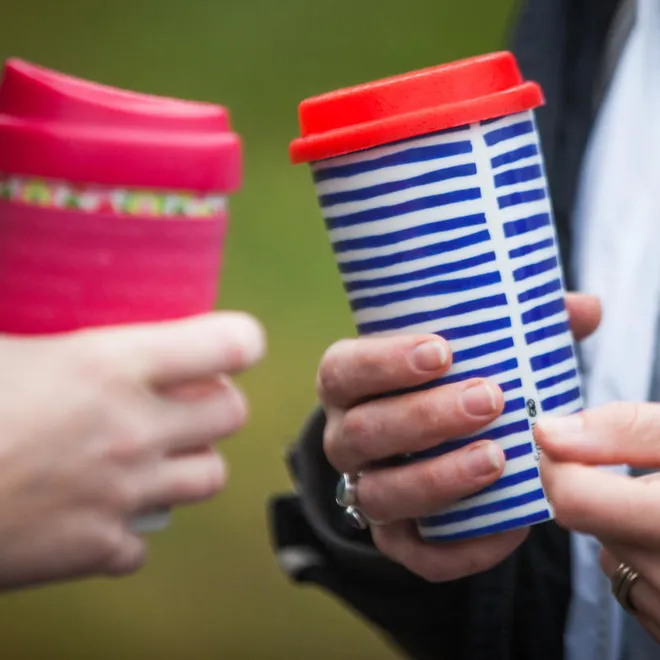
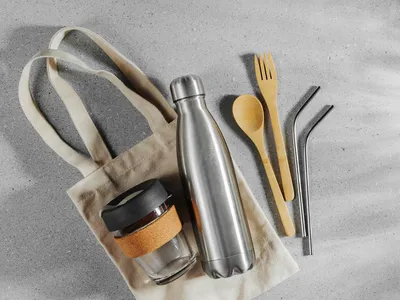
Reuse can be as simple as remembering to bring your reusable grocery bags to the store when you go shopping, using a reusable water bottle, bringing your own coffee cup, or keeping a set of cutlery in your bag so you can avoid single-use items. Other opportunities to participate in reuse systems include shopping at refilleries or the bulk section at your grocery store (and bringing your own packaging), and choosing products that are refillable.

© Kellyann Petry
The opportunity for reuse in a circular economy
-
42 million metric tons
In the US alone, we’re estimated to produce more than 42 million metric tons of plastic waste—only 8.7% of which is recycled.
-
86% of Americans
Eighty-six percent of Americans already agree our economy needs to shift from one that throws things away to one that favors reuse and recycling.
-
20% replaced
Replacing just 20% of single-use plastic packaging with reusable materials represents a $10 billion economic opportunity.
How WWF is taking action on reuse systems

© yulka3ice, iStockphoto, Getty Images
Bringing the reuse to market scale will not happen overnight; it will require working with policymakers to change the political landscape, business leaders to leverage their immense influence, and the public to adapt to new behaviors. However, by accelerating the uptake of reuse models that are convenient, safe, affordable, and environmentally sound, we can realize a future where the plastic we use today does not need to end up in our oceans tomorrow.
News and stories
© Shutterstock / Syda Productions
Redesigning reuse systems for the modern day
© Shutterstock
Unlocking the potential of reuse systems
© Shutterstock / Igisheva Maria
The reuse innovators at the forefront of the plastic crisis
© Courtesy of Upstream
Reuse on the rise, spotlight on plastic innovators
© naturepl.com / Alex Mustard / WWF