Responsible use of alternative materials to address plastic pollution
Our vision is to advance a systems-based, circular economy approach to material use—one that prioritizes waste reduction and reuse where feasible to do more with less and applies substitution from fossil-based plastic to alternative materials when it leads to improved outcomes for people and nature.
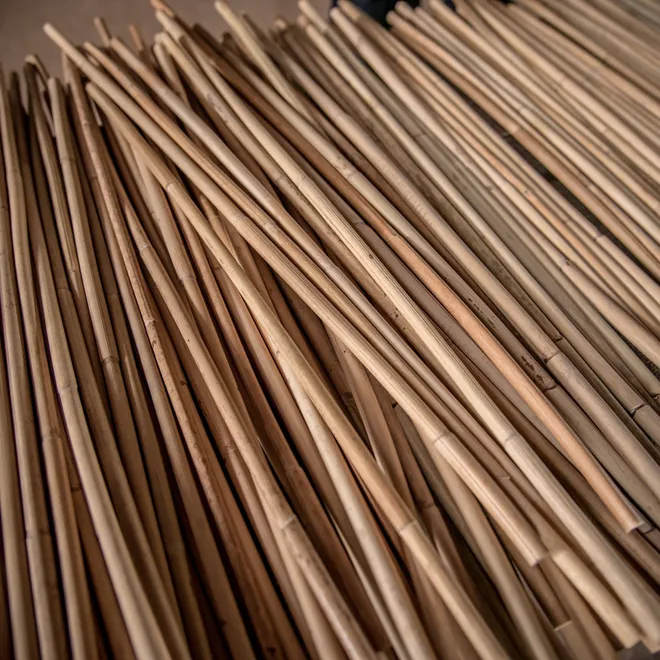
© Thippakone Thammavongsa / WWF-Laos
Plastic pollution is an urgent and highly visible environmental challenge, harming wildlife, ecosystems, and communities around the world.
Substitution has an important role to play in addressing plastic pollution, but it must be applied thoughtfully and alongside other solutions to ensure positive outcomes for people and nature.
To maximize environmental benefits, the prioritization of solutions must be grounded in the waste mitigation hierarchy.
All material choices come with their own set of impacts, advantages, and drawbacks.
While substitution involves trade-offs, there is a clear set of principles that can guide its successful implementation:
Responsible sourcing. Ensure that materials originate from well-managed sources that generate positive outcomes and avoid contributing to deforestation, soil degradation, water stress, food insecurity, or other negative impacts.
Protecting human health and safety. Ensure that material production, use, and end-of-life management minimize exposure to hazardous substances and safeguard workers and communities.
Designing for circularity. Design products and packaging from the outset to be reused, recycled, or composted within existing or emerging systems.
Aligning with local conditions and infrastructure. Recognize that a solution’s viability may differ from one geography to another.
Life cycle assessment. Evaluate environmental, social, and economic impacts across the full lifecycle of materials, from production through end-of-life, to ensure net-positive outcomes.
Ultimately, material choices require a holistic, systems thinking approach rather than a focus on avoiding a particular material or minimizing a single environmental impact.



What's next for alternative materials
While conceptually the path forward is clear, putting the principles into practice and achieving the desired results is often complex and requires the right tools, data, and guidance. That is why we are building a library of resources and best practices, starting with those listed below, to support actors in applying substitution thoughtfully and responsibly as one of a suite of solutions that will be needed to effectively address plastic pollution.

© WWF / James Morgan