Connecting brown bears with climate-resilient food webs in Bulgaria
© A.Karamanlidis/Arcturos
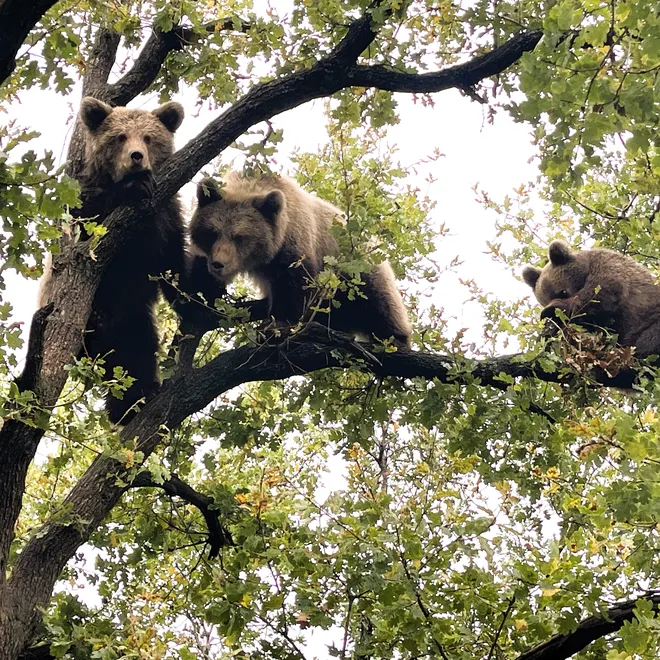
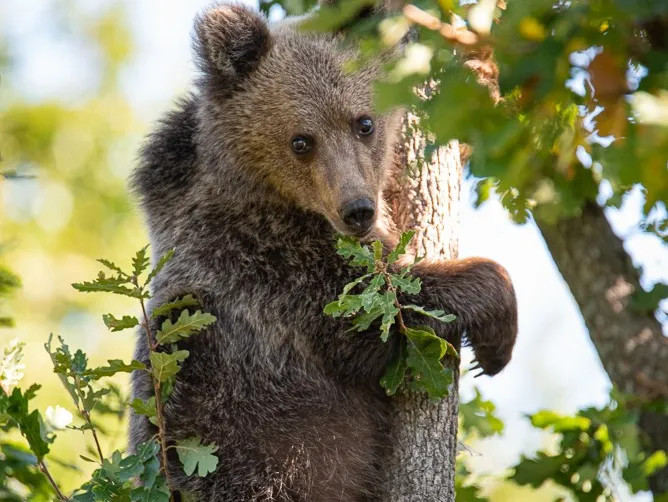
The brown bear is one of Europe’s most iconic and culturally significant species, playing a huge role in European culture, folklore, art, and mythology. In Bulgaria, the brown bear is considered “the lord of the mountain” and is the country’s most emblematic forest species. Despite its protected status, Bulgaria’s brown bear population has declined significantly since the 1990s due to illegal killings, habitat fragmentation, and climate change. Today, only around 321 bears remain, split between two subpopulations with limited connectivity: the Rilo-Rhodopean subpopulation and the Central Balkan subpopulation.
Climate change is impacting the survival of brown bears in Bulgaria by decreasing their natural food base. Erratic weather patterns—such as early thaws followed by late frosts—cause premature blooming cycles that damage brown bears’ key food sources like wild fruit and oak, while also impacting insect populations, like beetles and ants, that are important prey. These disruptions are leading to increased human-wildlife conflict by driving bears into human settlements in search of alternative food sources like beehives, crops, and garbage. This is especially evident in Bulgaria’s Western Rhodopes, where bear-related incidents are the highest in the country, increasing almost twofold from 2023 to 2024. Subsequently, tolerance for brown bears is decreasing in these areas. WWF's observations show increased bear incidents during years of poor natural food availability, highlighting the need to improve forest food systems for both the benefit of bears and people.
© A.Karamanlidis/Arcturos
© WWF-Bulgaria
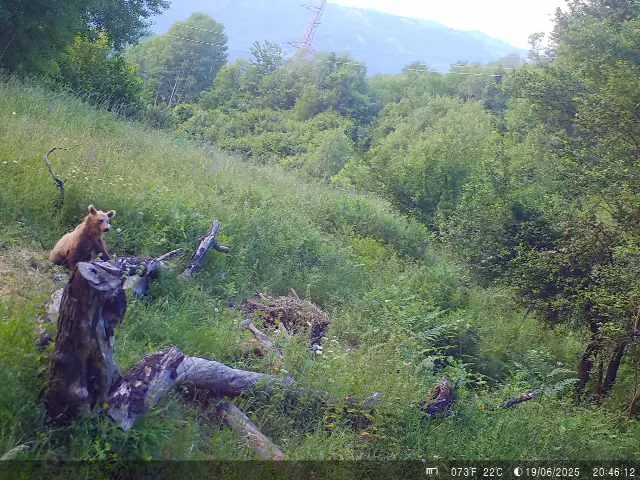
To reduce bears’ climate vulnerability and reliance on human food sources, WWF-Bulgaria, with support from the Wildlife Adaptation Innovation Fund, strengthened the trophic chain that supports brown bears by creating compost-based forest micro-refugia in two critical connectivity corridors away from human settlements. These nutrient-rich compost piles were designed to attract and provide habitat for protein-rich beetles and other insects that bears rely on for food. Local volunteers helped build two one-square-meter compost piles—one on the ground’s surface and the other in a pit in the ground—from forest material and ready-made compost to accelerate decomposition. No manure was added to the piles per the community’s preference for only forest-found construction materials. Data loggers were also added to monitor temperature and moisture levels in the piles.
Camera traps were installed to observe brown bear interaction with the compost piles while larval development in the compost piles was monitored throughout the summer and early fall. The data showed that surface-style compost piles with 40%–60% humidity and higher ratios of leaves and branches to logs best supported microbial activity, decomposition, and beetle larvae development. Despite the project’s short duration, one compost pile with larvae present attracted a bear, suggesting appeal via insects or scent.
Stakeholder engagement and education campaigns targeting youth, foresters, and hunters were also conducted to foster local support for brown bear conservation. This element of the project proved particularly successful considering the local contention surrounding human-bear conflict and resulted in new partnerships with forest managers and hunters. These findings can be integrated into existing forest management practices, leveraging local expertise and resources for long-term sustainability. The activities and outcomes from the project complement ongoing efforts under WWF's ForestConnect initiative, which supports native fruit-bearing trees for brown bears and restores grazing habitats that maintain the broader food chain.