Increasing coral reef genetic diversity through nursery construction in Bonaire
© Reef Renewal Foundation Bonaire
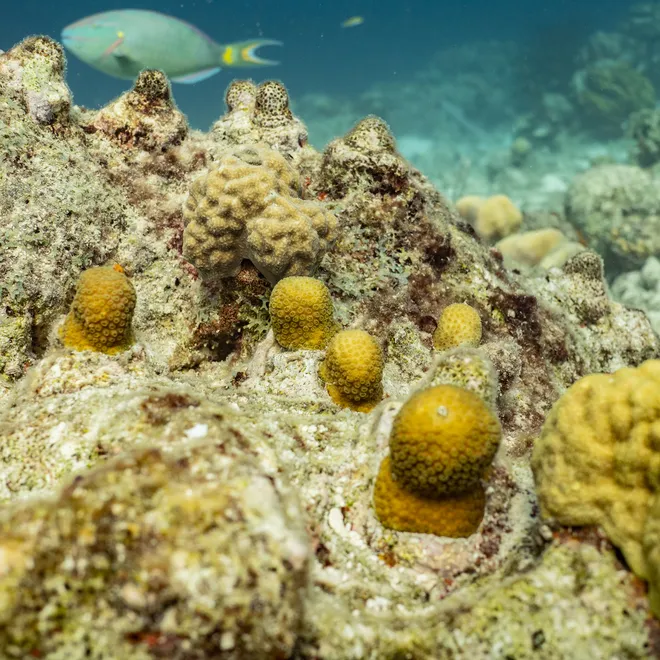
Home to one of the world's oldest marine protected areas, Bonaire’s reefs were historically among the healthiest in the region. However, during the record-breaking marine heatwaves of 2023–2024, approximately 80%–90% of coral colonies bleached. Average live coral cover has since fallen from 24.3% in 2019 to just 9.1% in 2025. Marine heatwaves and coral disease outbreaks are occurring more frequently than natural recovery processes can keep pace with. The key reef-building species that give Bonaire's reefs their structure, biodiversity, and resilience are all listed on the IUCN Red List of Threatened Species and are declining to the point where the genetic diversity needed for future climate adaptation is at risk.
The Wildlife Adaptation Innovation Fund is partnering with Reef Renewal Foundation Bonaire (RRFB) to expand Bonaire's underwater coral nursery network, bringing four vital but underrepresented reef-building species into large-scale propagation for the first time: Orbicella annularis, Orbicella faveolata, Montastraea cavernosa, and Pseudodiploria strigosa. The project aims to build a genetically diverse, heat-tolerant broodstock that can supply outplanting efforts for years to come. This process will be informed by reef surveys to identify and map healthy donor colonies of the four focal species across Bonaire National Marine Park. Colonies will be assessed for size, health, and environmental context, with priority given to those that survived recent heatwaves with limited bleaching.
The four target coral species:
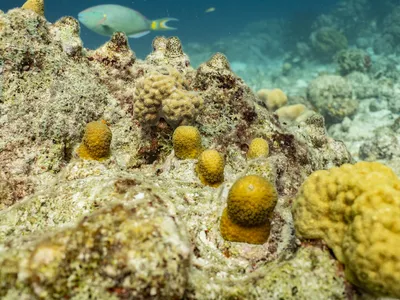
Lobed star coral (Orbicella annularis)
© Reef Renewal Foundation Bonaire
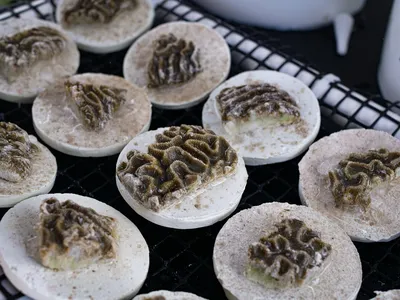
Symmetrical brain coral (Pseudodiploria strigosa)
© Reef Renewal Foundation Bonaire
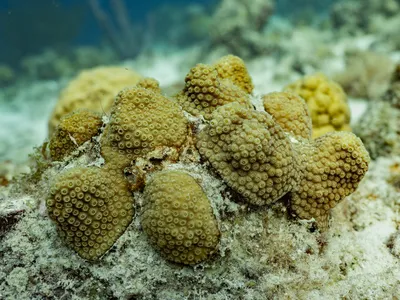
Mountainous star coral (Orbicella faveolata)
© Reef Renewal Foundation Bonaire
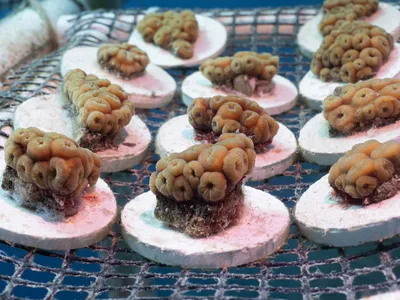
Great star coral (Montastraea cavernosa)
© Reef Renewal Foundation Bonaire
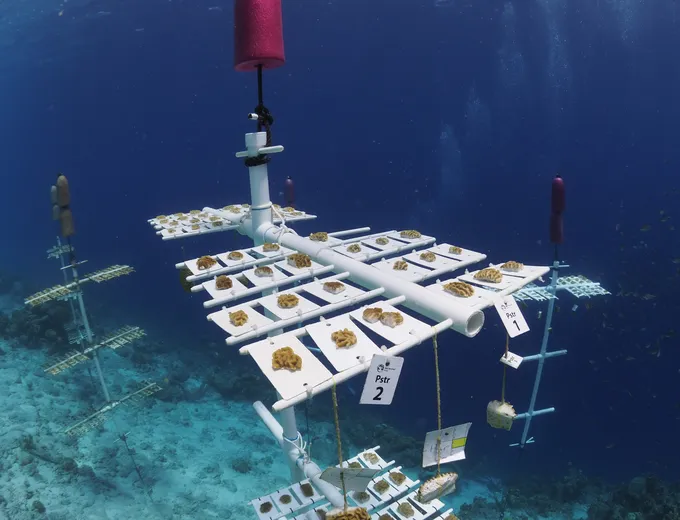
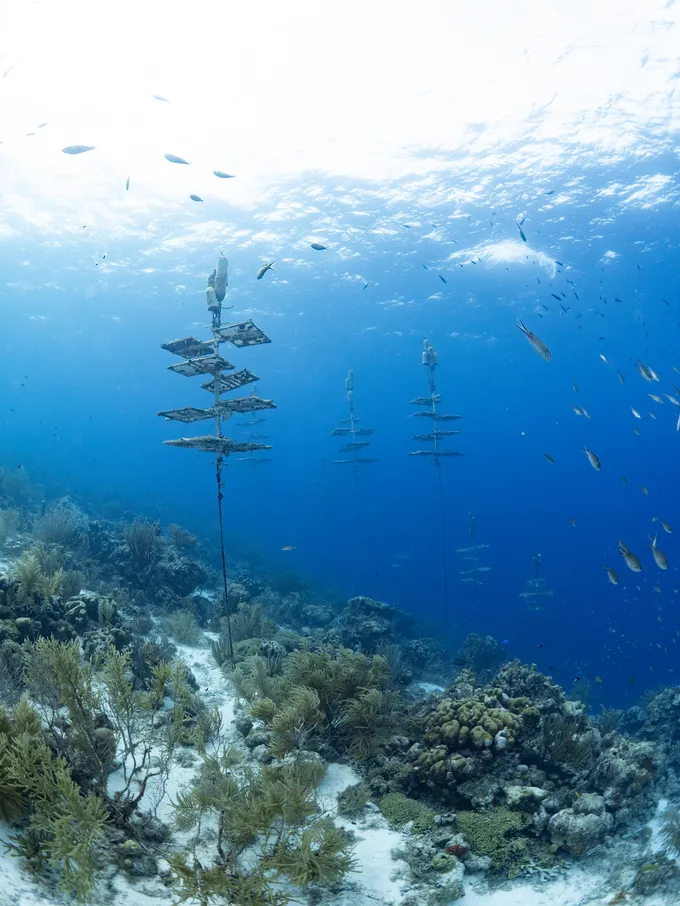
After the surveys, 16 nursery units will be installed across four locations: one on Bonaire's northern coast, two on the southern and far southern sides of the island, and one on the southern reefs of Klein Bonaire. The units will use a "tray tree" design that provides stable, unidirectional growth conditions suited to the specific coral species, with each unit able to hold approximately 288 coral fragments. The whole structure will be tethered to the seafloor, remaining flexible enough to move with currents to reduce storm damage risk.
Coral fragments collected from 32–50 distinct donor colonies per species will then be transferred to each nursery where they will be mounted on plugs in removable trays for acclimatization. Duplicating species and genotypes across all four locations means that a localized loss from disease, a storm, or a heat event cannot wipe out an entire genetic line. By the end of the project, Bonaire will have a significantly expanded nursery network producing four key reef-building species across various genotypes, adding around 4,600 corals to RRFB's existing nursery capacity of roughly 27,000. Additionally, since nursery corals will function as broodstock, fragments produced during this project can themselves be fragmented in future years, allowing production to grow exponentially without further extraction from wild reefs.
© Reef Renewal Foundation Bonaire
© Reef Renewal Foundation Bonaire