Water provision for wildlife in Nepal’s Parsa National Park
© Nikhil Advani
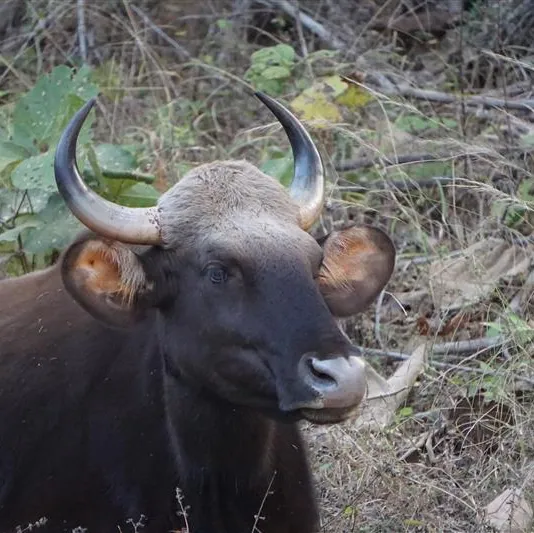
Parsa National Park (PNP) in Nepal is home to a number of iconic and vulnerable species. According to recent monitoring records, PNP supports an estimated 40–60 Asian elephants, 5–10 Indian rhinoceros (one-horned rhino), 473 gaur, and 42 Bengal tiger—a tenfold increase in tiger numbers since 2009. Gaur adapts well to rugged terrains and dense forests if water sources are adequate but is currently listed as a vulnerable species by the IUCN. Bengal tigers, which number around 4,000 globally and only occupy 6% of their historic range, are classified as Endangered by the IUCN, so the effective management of these populations remains critical.
Habitat loss, forest fires, hunting, and climate change—including drought—are significant threats to the survival of these species, with over 70% of PNP facing water scarcity during the dry season. As these conditions intensify, especially drought, species like tigers and gaur are forced into closer proximity to human settlements in search of water and food, increasing instances of human-wildlife conflict and even retaliatory killings. This issue is especially pronounced in the southern buffer zone between PNP and India where there is overlap of agricultural land, settlements, forests, and grasslands with key resources that both wildlife and communities rely on.
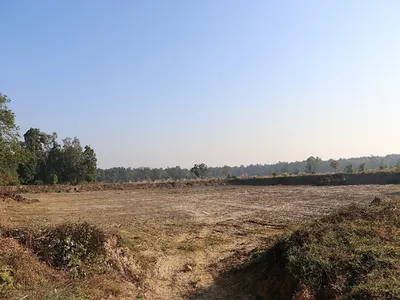
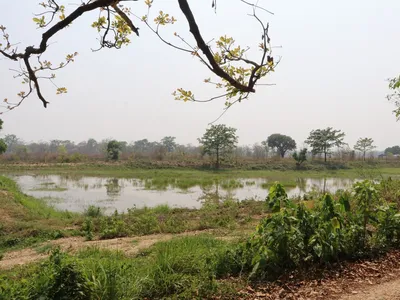
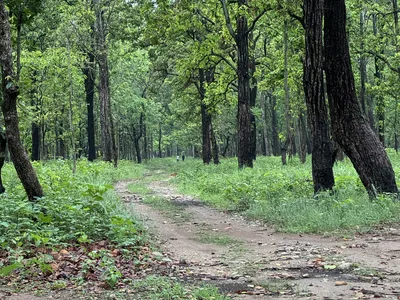
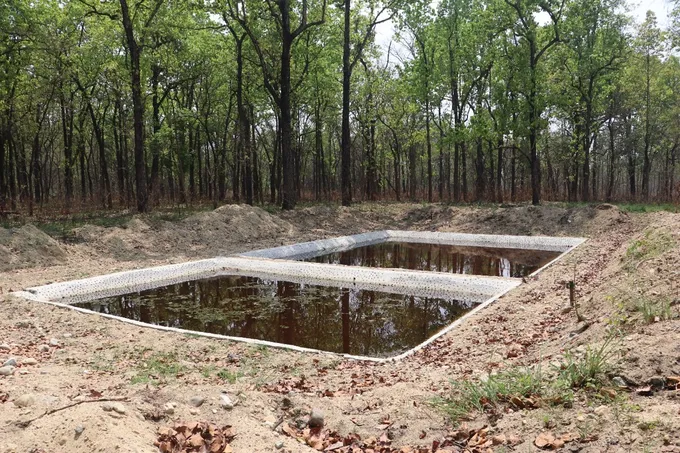
To address these threats, WWF Nepal and the Wildlife Adaptation Innovation Fund (WAIF) implemented a pilot project focusing on improving water availability and reducing forest fire risks for gaur, tigers, and other wildlife in PNP. The project involved several key activities such as the construction and maintenance of a 1.2-acre artificial wetland, the restoration of a 1.5-acre wetland, and the construction of a 4.1-mile fireline— strips of land that have been cleared of flammable vegetation, preventing uncontained fires from spreading further—to prevent habitat degradation.
Before the wetland restoration.
© Prem Poudel/WWF Nepal
After the wetland restoration.
© Prem Poudel/WWF Nepal
Before the construction of the forest fireline.
© Rubina Karki/WWF Nepal
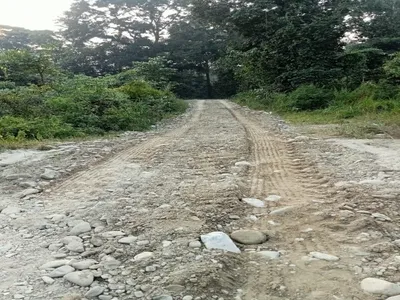
After fireline construction.
© Prem Poudel/WWF Nepal
The sites for wetland restoration and construction were selected based on four criteria: water retention capacity, pasture availability, evidence of gaur presence, and accessibility for park officials. Wetland restoration occurred in Lauki Daha wetland, where 1.5 acres of riparian land was restored by removing invasive vegetation, clearing debris, and cleaning the area to improve ecological health. The new 1.2-acre wetland was constructed in the Bhata area out of cement, with water sourced from a nearby canal connected to the Bhata river. The 4.1-mile fireline was also created during this time, built out of gravel and spanning from Hattisar to Kalidaha. During a post-construction monitoring meeting with park officials, it was decided that two more wetlands would be restored using the same techniques. The two additional wetlands, amounting to 5.7 acres, were chosen due to frequent gaur sightings nearby, implying that restored wetlands in that area would benefit the species.
© Prem Poudel/WWF Nepal
© Prem Poudel/WWF Nepal
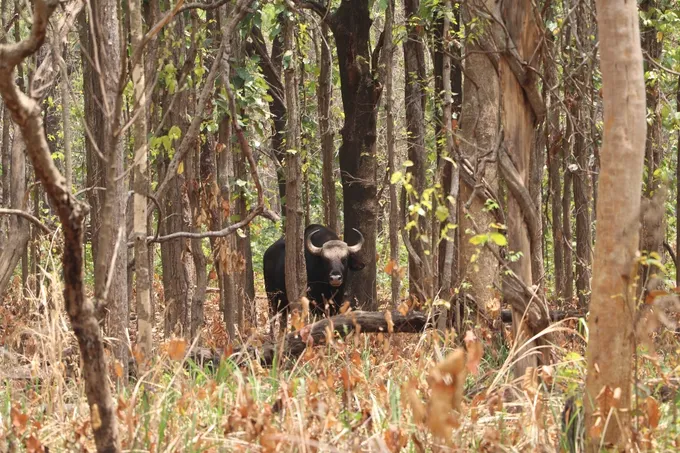
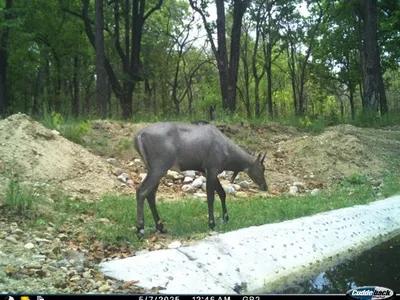
From tracks on the ground and camera traps installed near the interventions, data showed that both individual guar and herds of gaur visited the sites. Several other species were observed as well, including Asiatic elephants, Bengal tigers, wild boars, spotted deer, sambar deer, nilgai antelopes, Terai grey langurs, and rhesus macaques.
Camera trap footage of wildlife near the intervention sites
© DNPWC/WWF Nepal
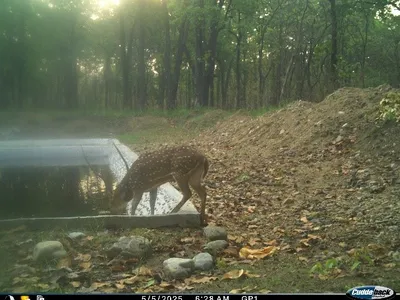
© DNPWC/WWF Nepal
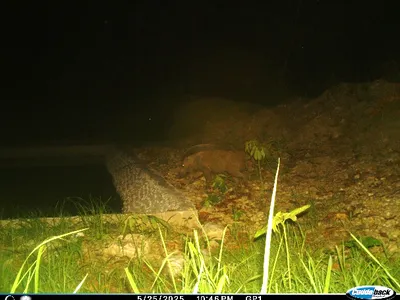
© DNPWC/WWF Nepal
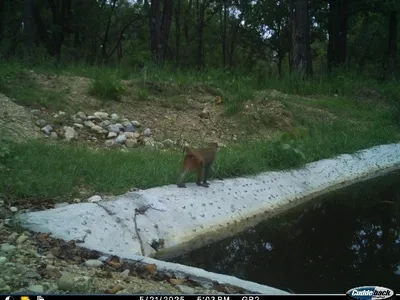
© DNPWC/WWF Nepal
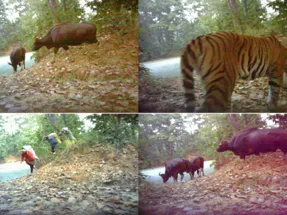
© DNPWC/WWF Nepal
WWF-Nepal and WAIF are scaling these interventions throughout PNP after seeing the success of the project and due to the increasing number of megafauna, like tigers, in the area. To increase water availability for gaur, tigers, and other wildlife and decrease human-wildlife conflict, three additional existing wetlands will be restored, and two new wetlands will be created. A multidisciplinary team, including a climate expert, GIS expert, and wildlife biologist, will select sites based on criteria such as proximity to water sources, high wildlife density (especially frequent tiger sightings), suitable grassland or marshy habitats, and favorable geographic and soil conditions for water retention.

© Nikhil Advani/WWF-US
In Rambhori, two new wetlands (approximately 2,700 cubic meters each) will be constructed and interconnected with two existing wetlands to form a “wetland network” that is sustained throughout the year, with invasive species cleared beforehand. A 2-kW solar-powered water pump will be installed to support water recharge across the system. In addition, restoration efforts will be carried out at three existing wetlands in Bhata and Kalidaha, including the previously constructed wetland which has a damaged outlet structure. Restoration will consist of removing invasive species, repairing structural damage, desilting, and creating channels to improve water flow and connectivity, thereby strengthening wetland functionality and wildlife habitat quality.