From bait to plate
Preventing illegally caught seafood from entering our food chain
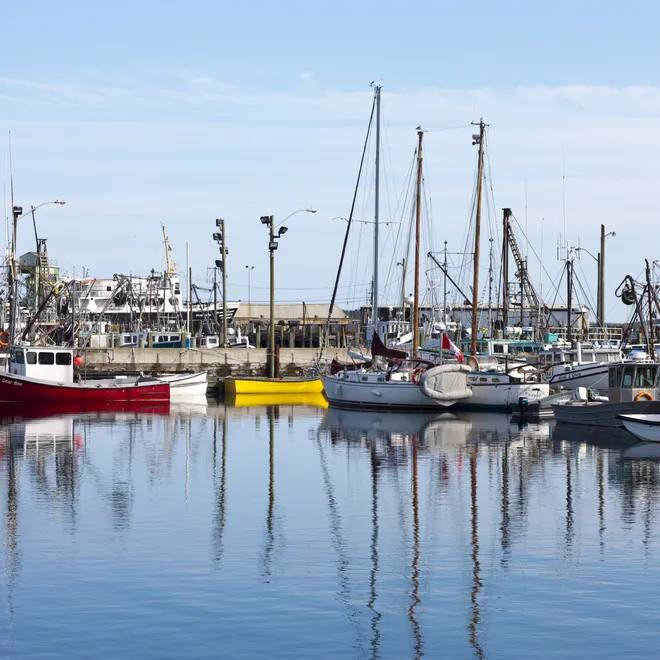
© Barrett & MacKay / WWF-Canada
Why does illegal fishing matter?
Illegal fishing is a global epidemic, but the US – second to the EU in global seafood imports – has the opportunity to combat the black market fishing crisis. This will support the US seafood industry by creating a level playing field for honest US fishers and conserve the future health of our oceans.
It’s time to combat black market fishing
Illegally caught seafood ends up on our dinner plates and causes global financial losses valued at up to $36.4 billion per year.
We need a system to trace seafood from bait to plate
We can prove the legal origin of our seafood by requiring catch documentation, using new technology to monitor fishing and implementing a traceability system that tracks seafood along the supply chain.
Good Governance
Robust fisheries policies help to ensure fishers only take their permitted catch of species from the areas in which they may fish, using the correct gear.

© Laura Margison / WWF-US
Monitoring, control and surveillance
Using satellite-collected vessel data, technicians can determine if a boat is legally fishing in the waters where those slowly moving lines appear—and alert authorities to intercept boats practicing black market fishing.
Arriving at port
As boats arrive at port, the captain shares the log book and documentation about the size, volume and location of the catch with the port inspector. This information is crosschecked with their license and other details about the boat to determine if there has been any illegal activity.
Processing and shipment
Once legally caught seafood passes the port inspection, the catch is sent for processing to be filleted, resized, smoked or packaged, and is then shipped to the US.

© naturepl.com / Toby Roxburgh / WWF
Border inspection
As seafood arrives at the US border, US Customs and Border Protection reviews documentation and may inspect the containers of seafood to ensure the catch is legal. As of 2018, there are new reporting and record-keeping requirements for imported fish and fish products identified as particularly vulnerable to illegal fishing and fraud.
Off to the store
Once the seafood passes inspection, it’s shipped to markets around the country.
Hits your dinner plate
Through a system that traces from bait to plate, you will be able to enjoy legally caught seafood while ensuring our oceans are healthy and can provide sustainably for generations to come.