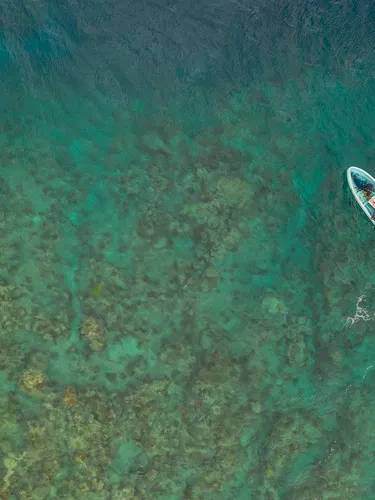
© Tom Vierus/WWF-US
No plastic in nature
It’s time to turn off the tap
Plastic waste is choking our planet—polluting the air, water, and soil both people and wildlife need to survive. Plastic flows into our natural environment at an unprecedented rate—every minute a dump truck's worth of plastic waste enters into our oceans alone.
We need to transition to a circular economy that allows us all to reuse, recycle and reduce our plastic footprint. In a circular economy, materials would be effectively recycled and reused to create new products, reducing the impact of waste on the environment. Five years ago, WWF set an ambitious goal to see no new plastic in nature by 2030. And thanks to the efforts of millions of people like you across the world, we’re on track to meet that goal. At home, WWF is advocating for strong policies to tackle the problem of plastic pollution from both federal and state governments such as Extended Producer Responsibility.
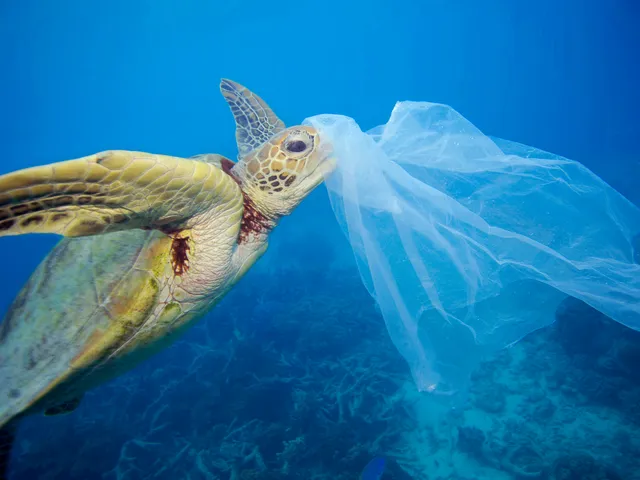
© Troy Mayne / WWF
Help stop plastic pollution
Send a message to world leaders, asking them to chart a path to a future with less plastic in nature.
Timeline in action
2026
Beyond 2026: Treaty enters implementation
Treaty is signed and ratified by the UN Member States
2025
End of 2025: The global treaty text is finalized
February: UN Member States will report on treaty status at the 6th Assembly of UNEA
2023
May: The United Nations INC holds the 2nd meeting to outline the treaty
2022
November: The United Nations INC holds the first meeting to outline the treaty
June: Colorado and California become the third and fourth states to sign Extended Producer Responsibility into law
March: 5th Assembly of UNEA votes to adopt a global resolution on plastic
A global committment
In March 2022, the UN Environment Assembly (UNEA) agreed to establish a legally binding international agreement to end plastic pollution. A treaty like this will hold countries accountable for building better systems for recycling and waste management. It will also mandate them to meet specific targets that reduce reliance on virgin plastic, or plastic that is produced from brand new resources.
Over the next two years, WWF will advocate for the final treaty to include the necessary elements for the resolution to be a success. To get there, we need all parts of society—from NGOs, to businesses, to individuals—to keep speaking up. Garnering support from the private sector is particularly important, as businesses are now facing an unprecedented opportunity to leverage their critical influence and maximize their impact.
A broken system
The current systems for handling waste and recycling in the US cant properly handle sheer volume of new material that is produced all the time. Our waste management system and recycling infrastructure are simply not adequately equipped for that. When we throw out plastic instead of recapturing and recycling it, we miss an important opportunity to recapture the value of the resources already used to produce our plastics. WWF is advocating for a holistic solution that curbs plastic pollution and its many associated consequences.
Recent public opinion polling commissioned by WWF shows unanimous agreement among respondents that everyone has a role to play in combating plastic pollution.
-
85% of Americans
somewhat or strongly agree that plastic waste pollution is a serious and concerning problem that requires immediate political action to solve.
-
82% of Americans
feel positive– either very or somewhat – about a new global agreement to stop plastic pollution.
-
87% of Americans
would be in favor of laws that incentivize companies to reduce plastic waste.
-
91% of Americans
said they were “somewhat to much more likely” to make use of reusable and/or refillable products in place of single-use plastic items if there was more assurance it was beneficial to the environment
Tackle the Problem at Home
Individually, we can't solve the plastic pollution problem, but we can all contribute in ways to help build a world without plastic pollution in nature. We need strong policies to keep producers of plastic accountable, and at the same time, there are daily steps we can take within our own lives to help.
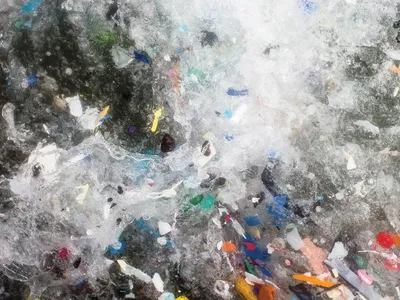
Reduce your plastic consumption
Reusable items like cutlery or durable cups cut down on plastic production demand and waste.
© n/a
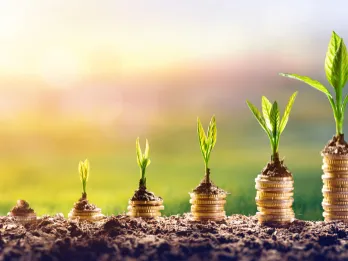
Use your dollars responsibly
Choose and purchase products that are made from recycled content and can be recycled.
© shutterstock
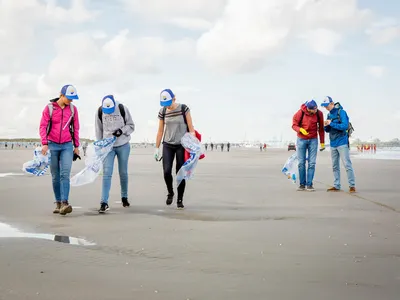
Organize or join a cleanup
Every piece of plastic you pick up is one less piece in nature.
© Lize Kraan / Boskalis Beach Cleanup Tour / WWF
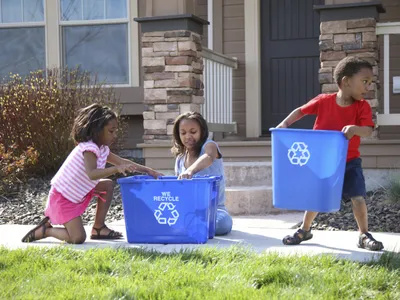
Learn about local recycling systems
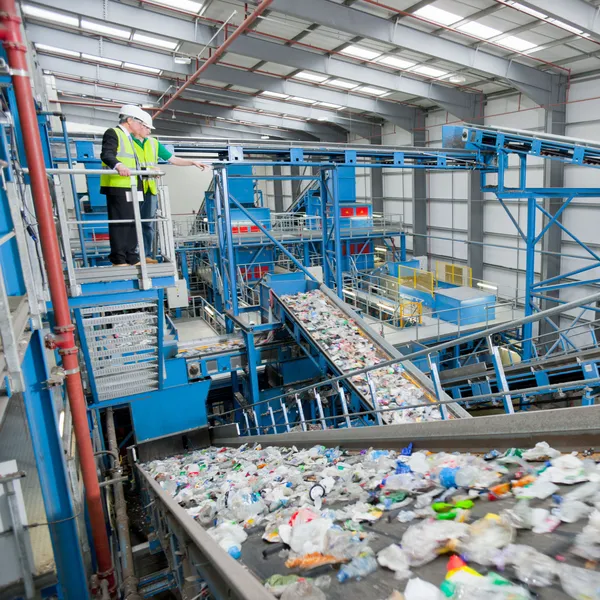
Find out which plastics your town's recycling system accepts, and make sure you're always recycling them.
© lstockphoto.com / WWF-Canada
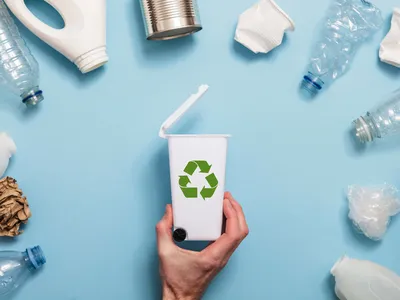
Plan a recycling seminar or webinar
Invite your community and have a local waste management leader explain the ins and outs of recycling in your area.
© Shutterstock
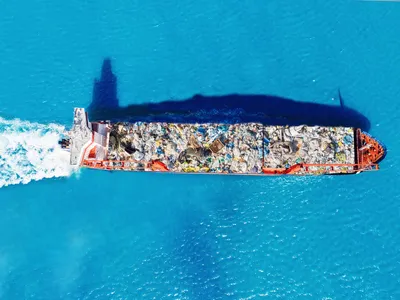
Advocate for more effective waste management policies
Petition your local lawmakers for better recycling capabilities, strict regulations on waste disposal, and initiatives to cut plastic waste.
© Shutterstock / Parilov / WWF
News and stories
-
© Pauliina Heinänen / WWF
Spotlight | Getting material choices right: a responsible approach to alternatives to plastic -
© Shutterstock
Getting material choices right: increasing end market demand for recycled content -
© REPRESENTATIVE LIZ BERRY
Washington State Representative Liz Berry tackles the plastic pollution problem