Opportunities to engage: plastic waste
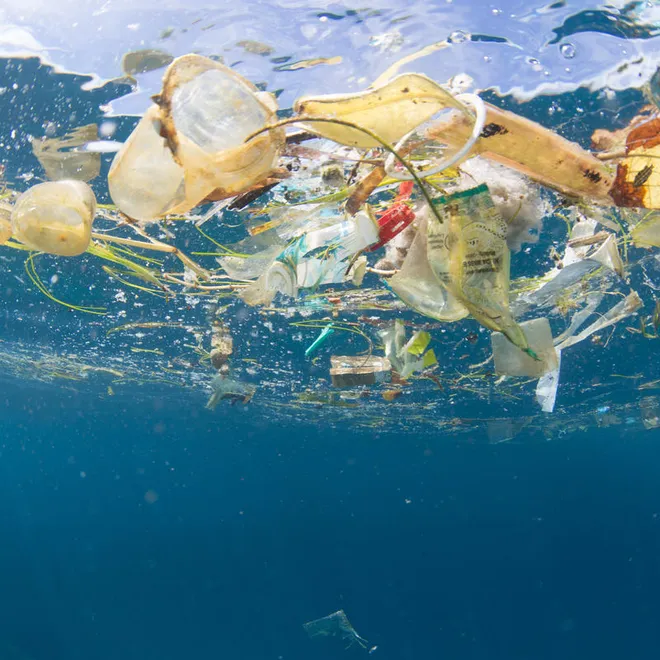
© WWF / Vincent Kneefel
Plastic waste is choking our planet, polluting the air, water, and soil both people and wildlife need to survive. While plastic can help make our hospitals safer, our food last longer, and our packages more efficient to ship, it has no place in nature—yet every year, an estimated 11 million metric tons of plastic enter our oceans. As this crisis spreads to every corner of the globe, WWF is fighting for a world with no plastic in nature by 2030. It's a world where our oceans teem with marine life, not discarded nets, bottles and bags. Where no human breathes the toxic fumes of burning plastic. And where every indispensable plastic product is used to make another.
WWF works with companies to tap into their potential as a key lever to tackle this crisis, across programs that focus on interventions for reimagining how the world sources, designs, disposes of, and reuses the plastic materials communities most depend upon.
ReSource
While business has been largely responsible for creating and exacerbating plastic pollution, it also has a necessary role to play in transforming the broken plastic material system. By engaging supply chains and effective action, as few as 100 companies can prevent 50 million metric tons of the world's plastic waste by 2030. WWF launched ReSource in 2019 to tap into this potential by equipping companies with the roadmap to get there.
ReSource is WWF's activation hub designed specifically for companies with ambitious plastic waste commitments who want to tap into a powerful corporate community of practice and deliver measurable progress. Acting as a bridge between aspiration and impact, ReSource closes the critical "how" gap in the sustainability journey. You can find out more here.
Bioplastic Feedstock Alliance (BFA)
The Bioplastic Feedstock Alliance provides thought leadership on the responsible sourcing of bioplastics, and the role of bioplastic in circular systems. Formed by some of the world’s leading consumer brand companies as a multi-stakeholder forum, BFA explores the latest science to advance knowledge of bioplastics and their social and environmental impacts. BFA aims to ensure bioplastics ultimately contribute to a more sustainable flow of materials, to create lasting value for present and future generations.
Plastic Reboot
Plastic Reboot provides catalytic funding, coordination, and technical support to find and test upstream circular policies and solutions in the food and beverage sectors through a Global Project and a suite of 15 National Projects. Through Plastic Reboot's Private Sector Collaboration Group, companies help ensure that country projects are designed for effective corporate engagement. The Private Sector Collaboration Group provides technical input, receives knowledge products and engagement from the project's other technical working groups, shares opportunities for partnership, and serves as the central coordination point for corporate engagement.