
Work Out Your Wild Side
Get your students and children up and moving while teaching them the importance of species and habitats with Wild Classroom's Work Out Your Wild Side challenge!
Enjoy daily exercises tied to fun facts about species found in each of our five habitat-themed weeks. Pick and choose your exercises or complete all five weeks in full. Follow up the challenge by having your students/children complete the journal writing assignment to reflect on their experience. We invite all families, classes, and youth groups to join us as we take a break and stretch our wings, fins, and paws!
Weekly excersises
Each week has a list of physical education activities that match its theme..
Freshwater week
All life needs water – it provides food, energy, and business. Flap your wings and get ready to jump as you learn about species that call these important habitats home.
Did you know?
- More than 10% of all animals and 50% of fish species are found in freshwater habitats such as lakes, rivers, and wetlands.
- Less than 1% of water on the planet is accessible fresh water.
- Freshwater habitats are threatened by climate change, population growth, pollution, and development.
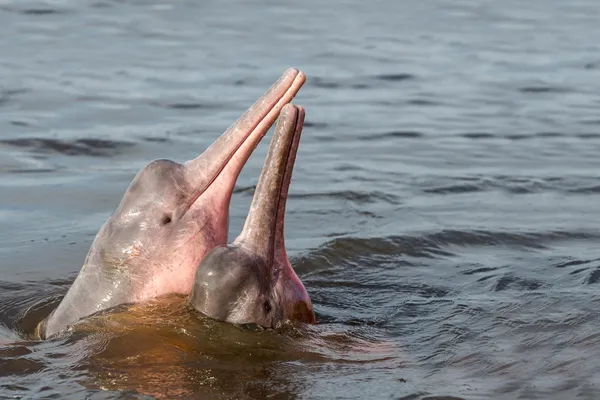
River dolphins
© Shutterstock / COULANGES / WWF-Sweden
Star jumps
© Shutterstock / COULANGES / WWF-Sweden
Start in a squat, holding your toes, then explode from your feet (or tail!), reaching outward into the air as you jump.
Seven species of freshwater dolphins are found in Asian and South American rivers. Unlike their marine relatives, these dolphins rarely jump!
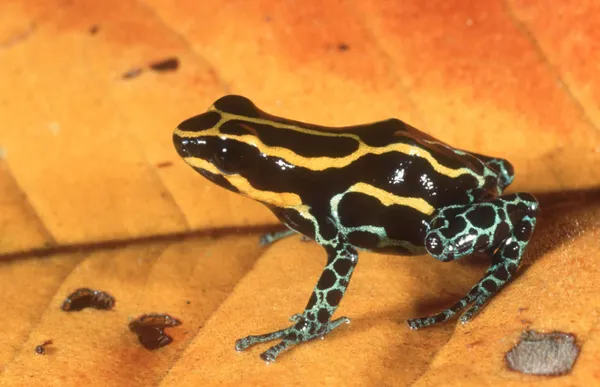
Frog
© Martin Harvey / WWF
Frog jumps
© Martin Harvey / WWF
Standing with your feet apart, squat down and touch the floor. Spring up into a jump, and when you land, go back down into a squat.
Frogs are amphibians—they begin their lives in freshwater as tadpoles with gills before growing lungs to live on land as adults.
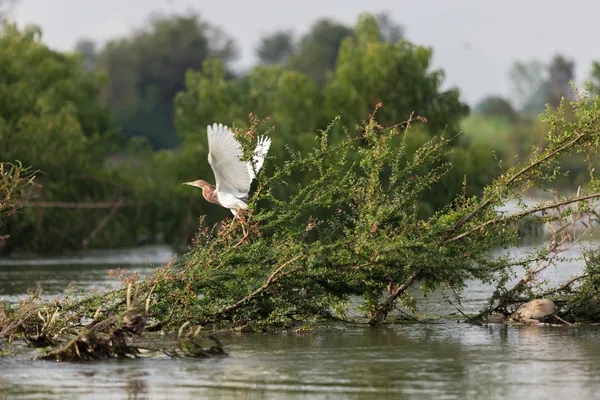
Bird
© Thomas Cristofoletti / WWF-UK
Arm circles
© Thomas Cristofoletti / WWF-UK
Strengthen those arm muscles for your long migratory journey by extending both arms and rotating them in small circles.
Wetlands are critical stopping grounds for migrating birds such as kingfisher and ibis as they provide protection and food along the long journey.
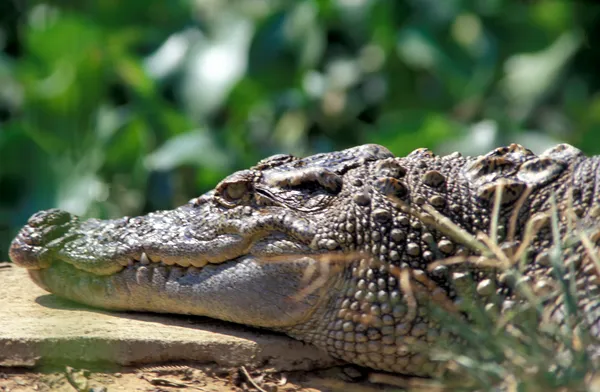
Crocodile
© B. Hayes / WWF-US
Torso twists
© B. Hayes / WWF-US
Sit on the floor and place your feet flat in front of you with your knees up, then slowly shake your prey from side to side.
Crocodiles cannot chew. Instead, they twist and roll with their prey to break it up after catching it.
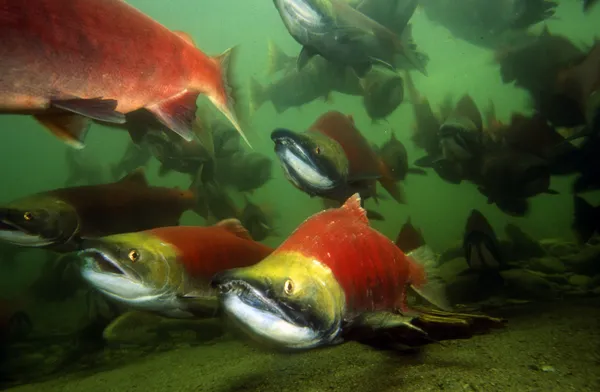
Salmon
© Michel Roggo/WWF
Skater leaps
© Michel Roggo/WWF
Standing with your feet apart, bring one foot behind the other at an angle in a lunge, then switch feet, as if you’re leaping from freshwater to salt water.
Pacific salmon travel from freshwater to salt water, then back to freshwater to reproduce ("salmon" is from the Latin word meaning "to leap").
Oceans week
The ocean helps regulate climate and provides oxygen for people everywhere. Take a deep breath, stretch your fins and flippers, and dive beneath the surface with some fascinating marine creatures!
Did you know?
- The ocean covers 71% of the Earth’s surface and contains habitats such as coral reefs, mangroves, and kelp forests.
- Scientists estimate that more than two million species live in the ocean, and nine out of ten species haven’t yet been discovered.
- The ocean’s health is threatened by climate change, overfishing, and pollution (especially plastic).
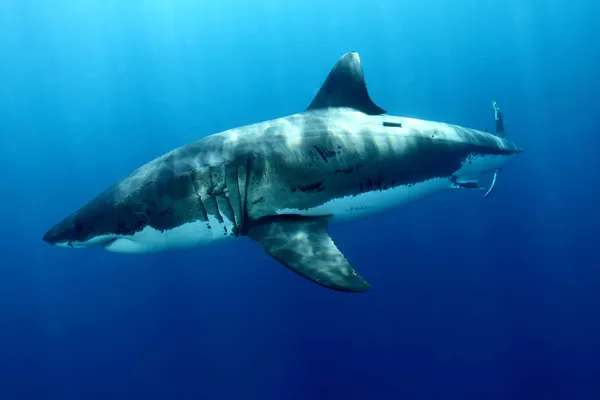
Shark
© WWF / Carlos Aguilera
Side bends
© WWF / Carlos Aguilera
Stand with your arms straight up above your head and palms together; bend to each side (imagining your arms as a tail), strengthening your side abdominal muscles.
Some shark species can propel themselves forward by moving their tails from side to side.
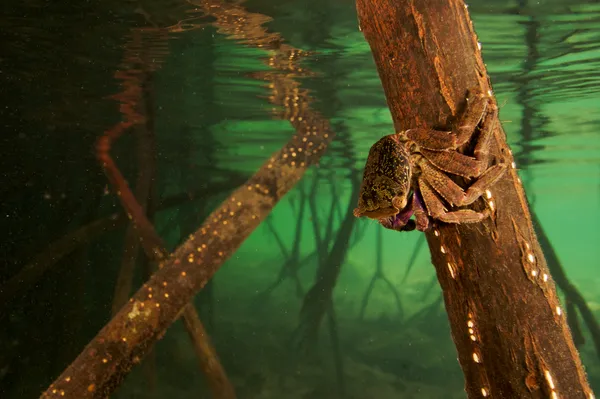
Crab
© naturepl.com / Tim Laman / WWF
Crab walk
© naturepl.com / Tim Laman / WWF
Sit on the floor with your feet apart in front of you and your arms behind you, palms on the floor. Lift your hips off the floor and tighten your abs. Walk forward and backward. For a bigger challenge, move side to side, like a crab!
Crabs can slowly shuffle forward but move fastest side-to-side, using their legs that bend like our knees.
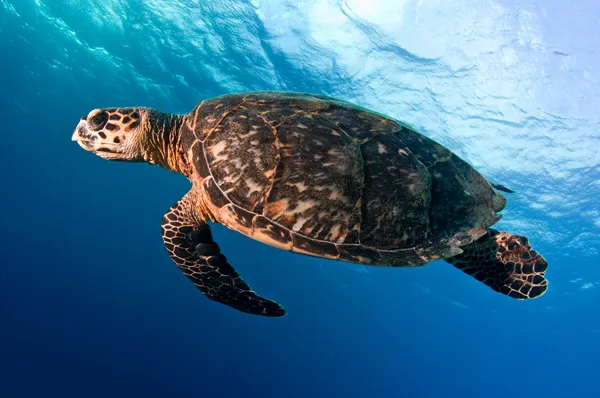
Sea turtle
© Antonio Busiello/WWF-US
Superman stretches
© Antonio Busiello/WWF-US
Lie on your stomach on a flat surface. Raise both arms together above your head while raising your legs, as though you're a sea turtle coming up for air.
Sea turtles can't breathe underwater and must come to the surface for air (but they can hold their breath for four to seven hours!).
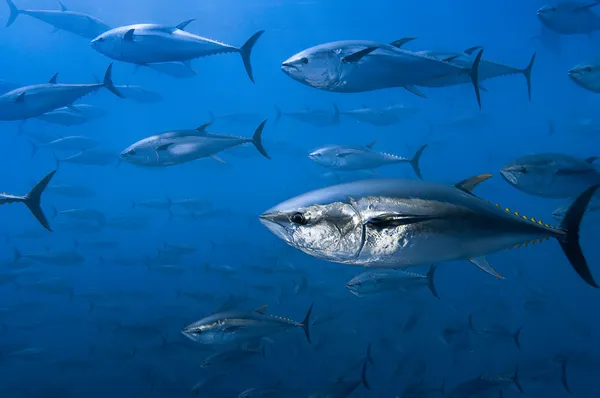
Tuna
© Brian J. Skerry / National Geographic Stock / WWF
Fast feet
© Brian J. Skerry / National Geographic Stock / WWF
See if you can run as fast as the tuna swims by running in place, moving your feet (or fins) as fast as possible.
Tuna are some of the fastest fish in the ocean—torpedo-shaped bodies allow some species to swim as fast as 43 miles per hour.
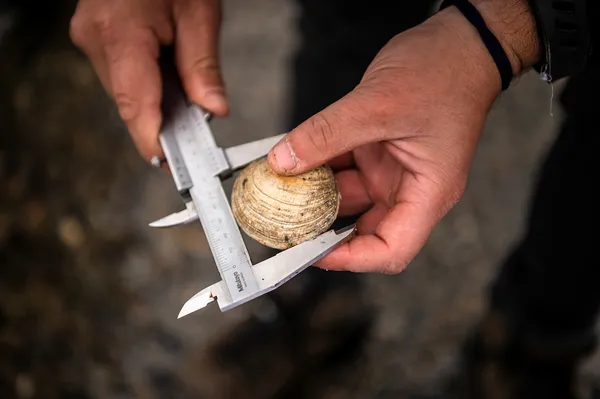
Clam
© MERIDITH KOHUT
Clamshell
© MERIDITH KOHUT
Lie on your side, legs on top of each other and knees bent. Raise your upper knee as high as you can and then lower it while keeping your feet touching. You’ll look like a clam opening and closing!
Clams help their ecosystem by improving water clarity and creating currents through their filter feeding.
Forests week
Forest habitats are some of the most biodiverse areas in the world. Whether you’re swinging from the tree tops or prowling through the forest floor, discover unique abilities of these well-known forest dwellers.
Did you know?
- Nearly three-quarters of all life on land is found in forest habitats (including 750 million people).
- Forests provide food, water, medicine, and clean air while soaking up carbon dioxide and other greenhouse gases that cause climate change.
- Forest habitats are threatened by expanding agriculture, illegal or unsustainable logging, and development.
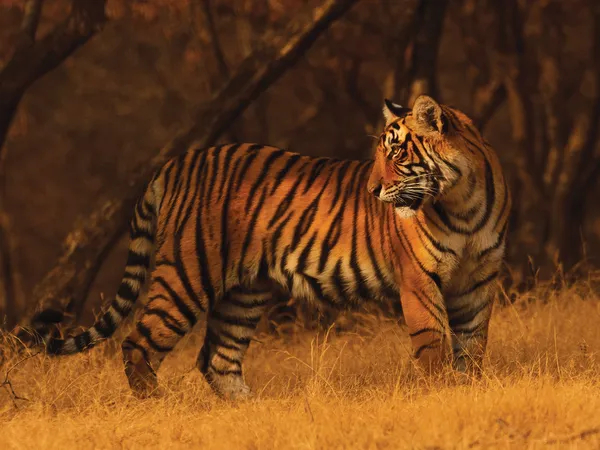
Tiger
© ANDY ROUSE/NATUREPL.COM
Calf raises
© ANDY ROUSE/NATUREPL.COM
Stalk your prey quietly by standing straight and pushing through the balls of your feet to raise your heels until you are standing on your toes. Come down, then repeat.
Tigers are ambush predators—they stalk their prey carefully and quietly before attacking.
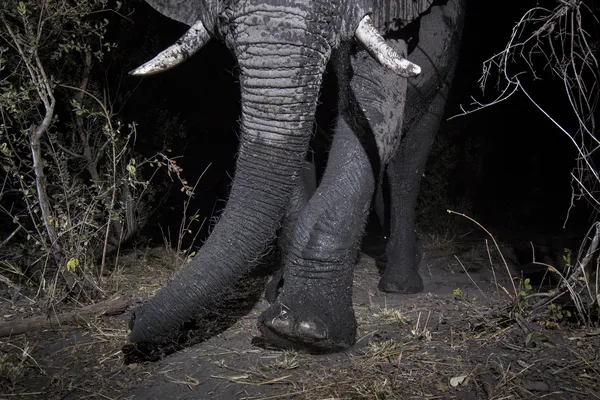
Elephant
© Will Burrard-Lucas / WWF-US
Bicep curls
© Will Burrard-Lucas / WWF-US
Think of your arm as an elephant trunk and place a ball in the crook of your elbow. Close your forearm to keep the ball in place and squeeze tightly several times. Switch arms.
An elephant's trunk serves many purposes, including as a hand to pick up objects.
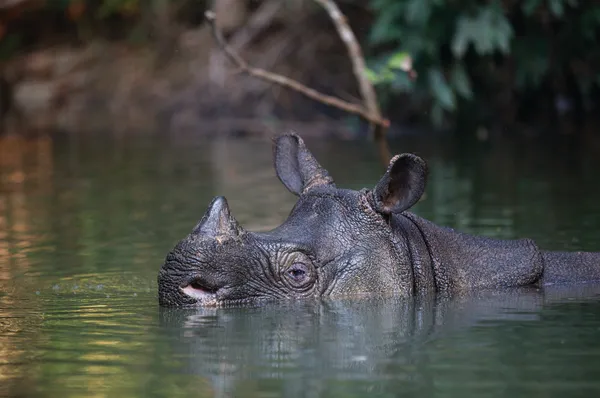
Rhino
© 2015 Stephen Belcher Photography All Rights Reserved
Boxing jabs
© 2015 Stephen Belcher Photography All Rights Reserved
Make fists with both hands and bend your elbows so that your fists are protecting your face. Quickly extend one fist after the other, like you're leading a charge with your horn!
Rhinos have horns made of keratin—the same material in our fingernails—and are used in defense to charge when rhinos feel threatened.
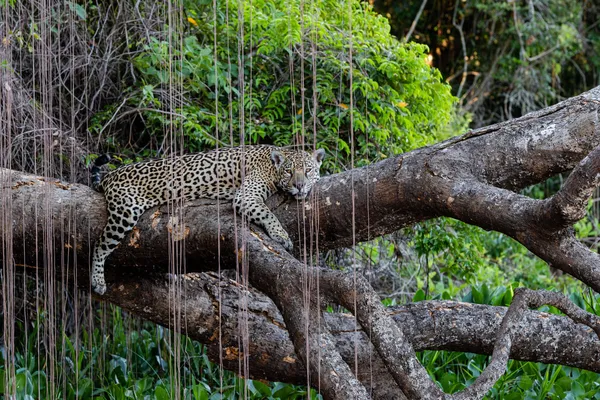
Jaguar
© WWF-Brazil
Tightrope walk
© WWF-Brazil
Imagine that you are a jaguar walking on a tree branch to reach your prey. Walk carefully, as if on a balance beam, placing each heel in front of the opposite foot's toes.
Jaguars are known for being very agile, which is demonstrated by their ability to climb trees.
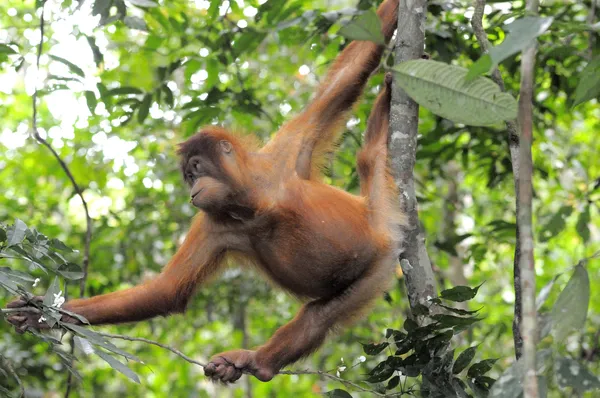
Orangutan
© Fletcher & Baylis/WWF-Indonesia
Orangutan walk
© Fletcher & Baylis/WWF-Indonesia
Bend at the waist, arms hanging, knees unlocked. Reach out to one side with both hands, placing palms on the floor. Push off to jump, kicking your legs over; let your shoulders lead and legs follow. Repeat.
Orangutans' arms are longer than their legs and are used as support while swinging through trees.
Grasslands week
Roam, buzz, and flutter your way through this week as you demonstrate movements similar to species that thrive in these rich areas also known as prairies.
Did you know?
- Grasslands are found in areas where a lot of grass and grasslike plants grow close to the soil and regrow after being chewed on.
- Grasslands provide food and habitat for pollinators such as bees and butterflies, grazers such as zebra and bison, and predators such as lions and cheetahs.
- Grasslands are threatened by human development, mainly for agricultural use.
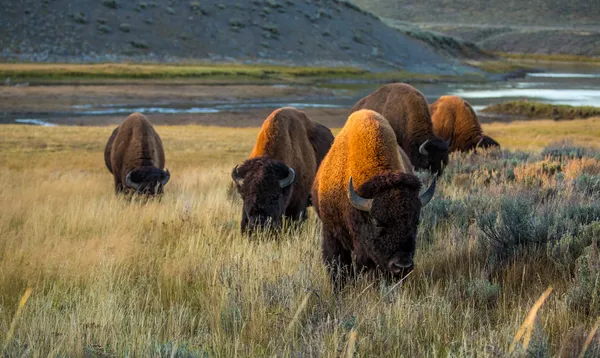
Bison
© Thomas Szajner / WWF-US
Lunges
© Thomas Szajner / WWF-US
Roam the prairie by taking a huge step forward and bending the knee so that the opposite knee is almost touching the floor behind you, slowly squatting. Repeat, leading with the opposite foot.
Bison need space; they will roam to different areas in search of good grazing sites, water, or shelter from weather.
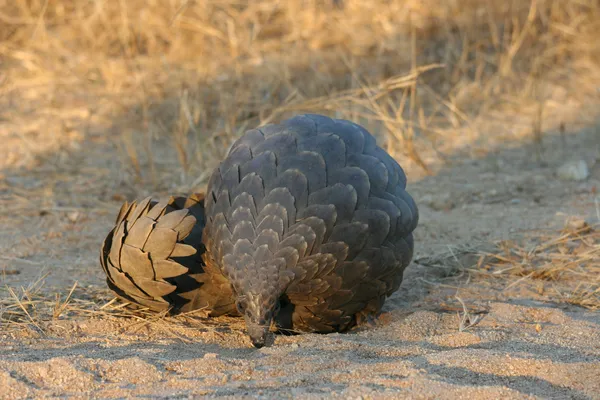
Pangolin
© Shutterstock
Curl-ups
© Shutterstock
Lie on your back with your feet flat on the floor, knees together. Place your hands on your thighs and curl up like a pangolin until your fingertips hit your knees, then slowly uncurl. Repeat.
If under threat, a pangolin will curl into a ball and use its scales to defend itself.
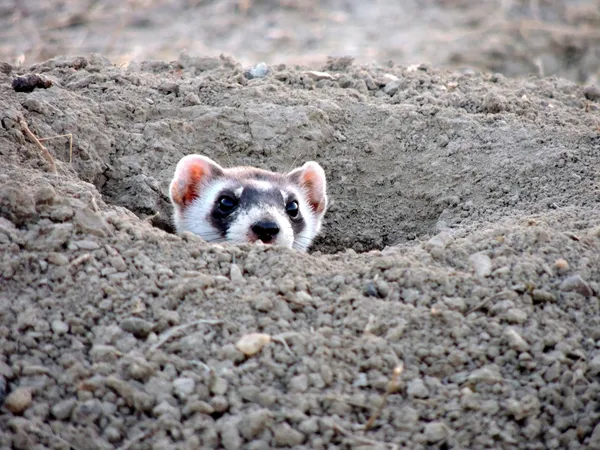
Black-footed ferret
© KristyBly / WWF
Burpees
© KristyBly / WWF
Squat, then place your hands on the ground in front of you, jump your feet back, then forward. Stand and explode, jumping up into the air like a black-footed ferret popping up out of a prairie dog burrow.
Black-footed ferrets can be hard to spot, as they are nocturnal and spend much of their time below ground in prairie dog burrows.
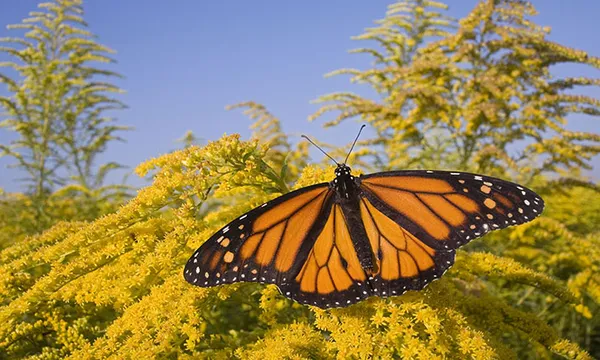
Monarch butterfly
© Naturepl.com / Ingo Arndt / WWF
Flutter kicks
© Naturepl.com / Ingo Arndt / WWF
Lie on the floor and place your hands under your rear with your palms down. Point your toes and lift both legs up a few inches. Flutter your legs by repeatedly moving one leg down and the other one up.
A monarch flaps its wings five to 12 times per second, approximately 720 times per minute.
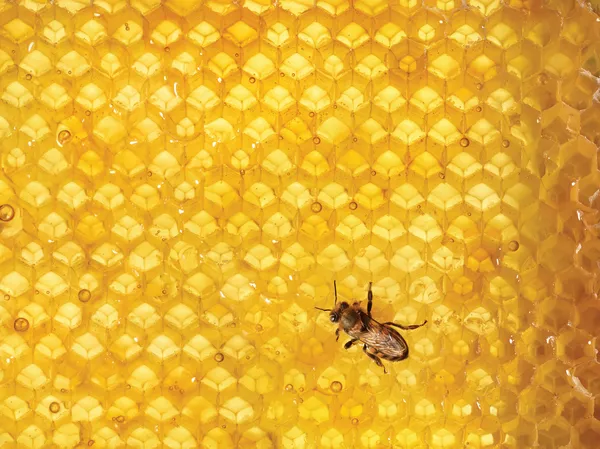
Honeybee
© _
Dance
© _
Do the honeybee dance! Put on some music or sing, and create your own dance moves to communicate a message to a friend or family member.
Honeybees communicate by performing a dance that informs other bees where nectar has been found.
Polar week
Polar habitats include the Arctic region in the North and the Antarctic region in the South. Get ready to break a sweat while you learn about these animals surrounded by ice.
Did you know?
- Despite the frigid, harsh conditions, the North and South Poles have rich biodiversity on land and in the sea.
- The North and South Poles are important migrating grounds for many species, including whales.
- Polar habitats are threatened by climate change, oil and gas development, overfishing, and pollution.
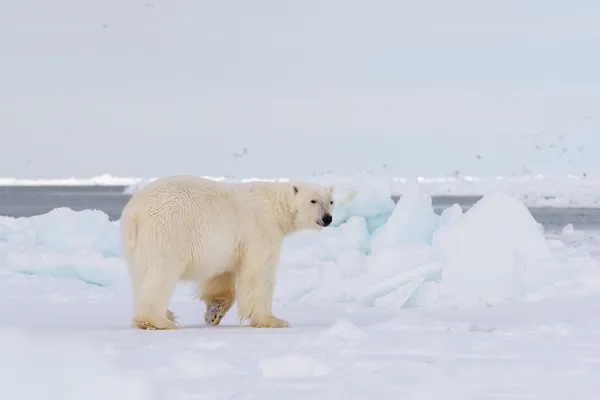
Polar bear
© WWF-US / Elisabeth Kruger
Bear plank walks
© WWF-US / Elisabeth Kruger
Start on your hands and knees, then lift your knees off the ground. Crawl forward on your hands and feet, but be careful not to break the ice!
Adult polar bear paws are about 12 inches wide, the size of a dinner plate, and help to distribute their weight on sea ice without breaking it.
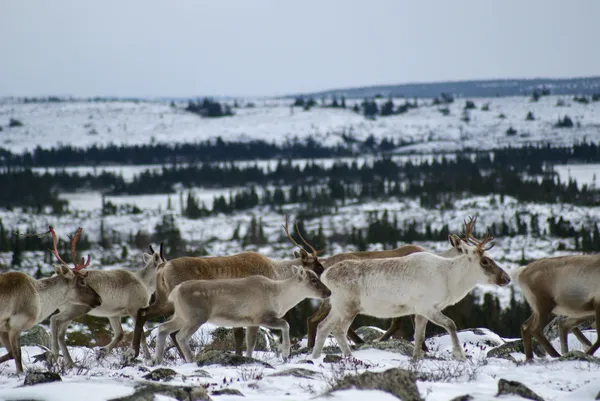
Caribou
© Joëlle Taillon
Head rolls
© Joëlle Taillon
Slowly roll your head to one side, then to the back, the other side, and front. This helps to stretch your neck and will come in handy when using your antlers.
The caribou is the only member of the deer family in which males and females grow antlers; they are used to find food and for protection.
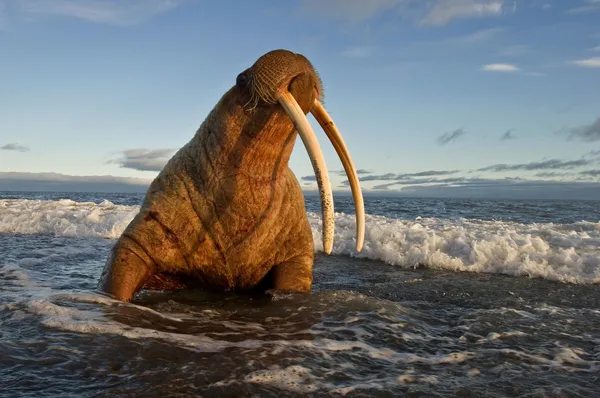
Walrus
© naturepl.com / Sergey Gorshkov / WWF
Push-ups
© naturepl.com / Sergey Gorshkov / WWF
Lie face down on the ground with hands at your armpits and feet together. Push yourself up, as if hauling up onto sea ice, keeping your body in a straight line. Slowly lower yourself down, then repeat.
Walruses spend most of their time on sea ice, using their tusks to help haul themselves out of the water.
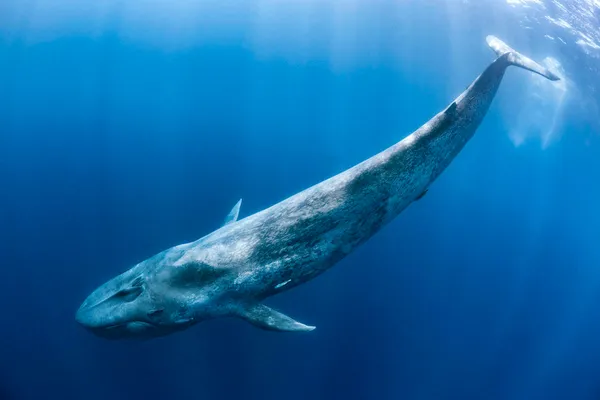
Whale
© naturepl.com / Alex Mustard / WWF
Blue whale call
© naturepl.com / Alex Mustard / WWF
What do you think a blue whale sounds like? Warm up those vocal cords by taking a deep breath and making that sound, holding it for as long as possible.
The loudest animal sound on Earth, the blue whale's call, can reach up to 188 decibels and be heard for hundreds of miles.
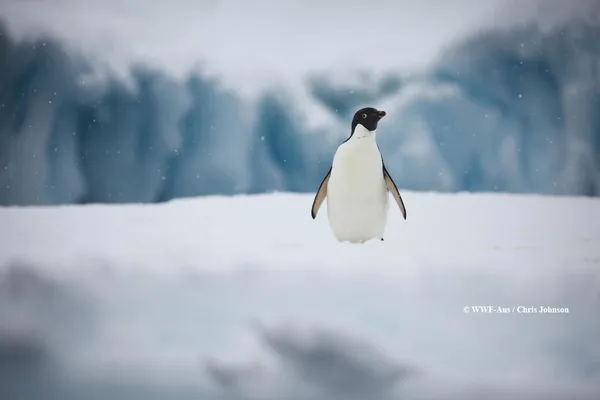
Penguin
© _
Penguin taps
© _
Lie on your back, knees bent and hands at your sides. Sit up, so your back and shoulder blades are off the floor. With your left hand, touch your left heel, then continue switching sides (waddling back and forth).
Penguins can't fly; they have flippers instead of wings and walk upright on land by waddling.
Substitutions
Substitute any of the weeks' exercises with these low-impact options.

Giant panda
© Michel Gunther / WWF
Wrist stretches
© Michel Gunther / WWF
Extend your arm in front of you, palm up. Bend your wrist, pointing toward the floor. With your other hand, bend your wrist farther until you feel a stretch able to hold all of that bamboo.
Pandas have an extended wrist bone that they use like a thumb to help grip food; this is helpful, as they spend up to 16 hours a day eating bamboo.
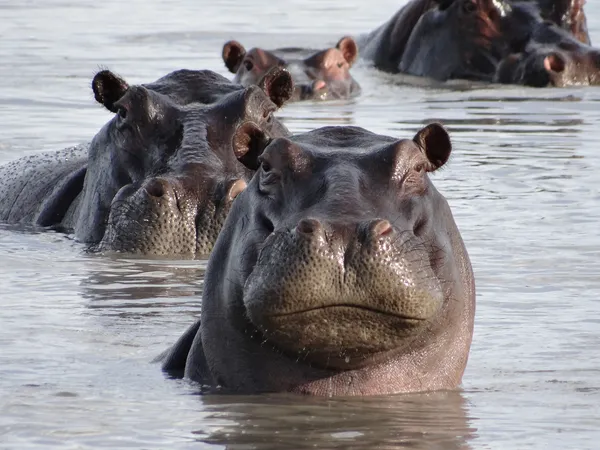
Hippo
© Kumar Suman
Jaw exercises
© Kumar Suman
Strengthen your jaw by placing a thumb under your chin and pushing your chin downward against it. Open your mouth as big as you can—like a hippo—pushing against your thumb.
Hippos have extremely flexible, powerful jaws—they can open their mouths at a 180-degree angle, and their jaws can break bones (even though they’re herbivores).
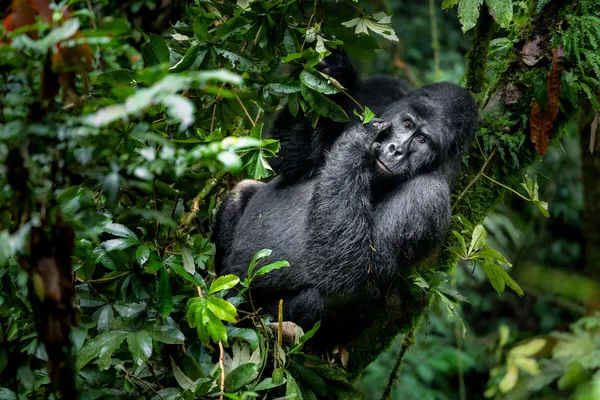
Gorilla
© Jasper Doest
Chest squeeze
© Jasper Doest
Press your palms together at your chest in front of you and slowly push forward until your elbows are nearly straight, continuing to squeeze. Pull back to the chest and repeat. Pound those chest muscles like a gorilla!
Mountain gorillas pound their chests to communicate; silverback males will often do it when they feel threatened or to show that they are in charge.
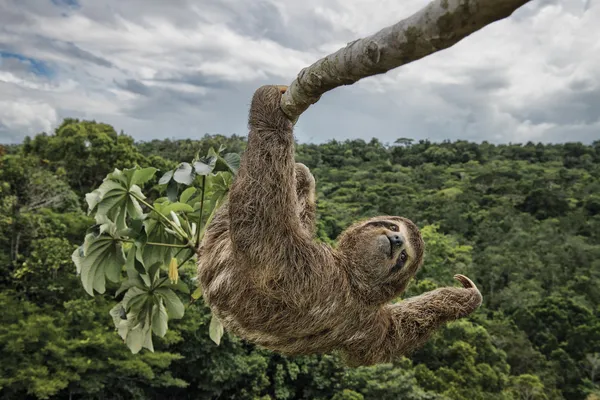
Sloth
© LUCIANO CANDISANI
Slow Down
© LUCIANO CANDISANI
What's the rush? Think like a sloth. Take a deep breath while slowly raising your hands above your head, then exhale, pushing your palms down.
Sloths have an extremely low metabolic rate, which means they move at a very slow, sluggish pace through the trees.
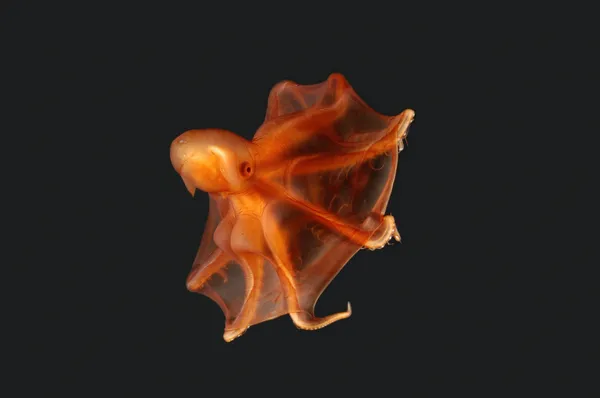
Octopus
© naturepl.com / David Shale / WWF
Grip strengtheners
© naturepl.com / David Shale / WWF
Hold a soft ball in your palm and squeeze it as hard as you can; hold for a few seconds, then release your suction cups. Repeat several times on each hand.
The suckers attached to octopus arms have a powerful grip and are used to attach to surfaces and capture prey.
Journal reflection
Once your students/children have worked out their wild sides, have them complete a short journal reflection on their experience. The journal entry should include the following details:
- What was your favorite week of exercises? Why?
- Was your favorite animal mentioned? If not, then what is your favorite animal, and what exercise would you do to represent its movement? If your favorite animal was included, then name an animal that wasn’t included and what exercise you would do.
- Name one thing you can do to help endangered species such as the ones mentioned in the challenge.
Motivational posters

© Shutterstock / Lukas Kovarik / WWF

© naturepl.com / T.J. Rich / WWF

© Simon Lorenz / WWF-Hong Kong

© Troy Mayne