© Audra Melton / WWF-US
Water security in the Chihuahuan Desert
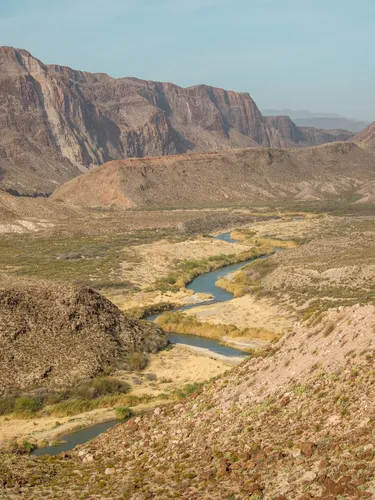
The Chihuahuan is the third most biodiverse desert in the world. Underground springs, small streams, and the Rio Grande—known as the Rio Bravo in Mexico—provide the precious water that fuels the region’s flora and fauna, as well as the diverse communities and growing economies. But climate change and over-extraction threaten the river’s future, and all who depend on it.
Current situation
Introduction
The Rio Grande/Rio Bravo is born in southern Colorado and northern New Mexico, where mountain runoff drives the river south. Downstream, the river is recharged by crucial tributaries like the Rio Conchos and Pecos River. However, the basin’s waters are severely over-allocated, with legal claims to water exceeding the amount of water that is typically available in the system.
Shared waters
Despite the different approaches to water management, the US and Mexico have had over 170 years of transboundary cooperation regarding the Rio Grande/Rio Bravo. However, unsustainable water use impacts the entire basin, with ineffective management and governance challenges undermining freshwater ecosystems on both sides of the border.

© Audra Melton / WWF-US
Evaporation
Evaporation rates in arid climates are typically much higher than in wetter, more humid climates. In the Rio Grande/Rio Bravo basin, evaporation from reservoirs is the second largest source of water loss.

© Day's Edge / WWF-US
Agriculture
Agriculture currently consumes over 90% of the basin’s allocated fresh water. Thirsty crops—such as alfalfa, pecans and cotton—are particularly demanding, yet they are regional staples.

© Enrique Prunes
Municipalities and industry
The region’s population and economies are growing. Already more than 16 million people in the US and Mexico depend on the Rio Grande/Rio Bravo basin for fresh water, and over the past decade, policy changes catalyzed industrial development and brought a surge of factories along the border.

© WWF-US/Diana Cervantes
Nature
With so much demand for water and so little supply, nature is losing out. Currently, not one drop of water in the Rio Grande/Rio Bravo basin is dedicated to environmental use.

© WWF-US/Diana Cervantes
Hotter and drier future
Introduction
Climate models predict hotter temperatures and more frequent, longer and intense droughts punctuated by short, severe storms. This will result in less input from rainfall and snowmelt, and less water to share across agriculture, growing cities and nature.
Shared waters
In the face of a changing climate, even greater binational coordination will be needed to manage increased demands for fleeting freshwater resources.

© WWF-US/Diana Cervantes
Evaporation
In hotter, drier years, the amount of water lost to evaporation increases dramatically. Evaporation rates can even exceed the inputs that replenish water storage—namely rainfall and snowmelt—resulting in a water deficiency.

© Daniel A. Leifheit, Moment RF, Getty Images
Agriculture
Increased demand and fewer resources will force trade-off decisions between agriculture and the other water-users, such as cities and nature.

© WWF-US/Diana Cervantes
Municipalities and industry
Over the next 50 years, municipal water use is expected to double, and industrial water use will increase by approximately 40%. These needs may draw additional drops away from nature.
Nature
Increased human activity and even less water for nature will negatively impact the system. As freshwater ecosystems decline, the basin’s ability to cope with extreme weather events like floods and fires will diminish, leading to greater damage to infrastructure, communities, economies and nature.

© WWF-US/Diana Cervantes
Our vision
Introduction
Through climate-smart conservation, water stewardship and policy reforms, WWF seeks to restore and build the resiliency of the Rio Grande/Rio Bravo basin while promoting livelihoods, economic growth and better governance.
Shared waters
WWF fosters strong bi-national ties at all levels and across sectors to secure water for people and nature.

© Day's Edge / WWF-US
Evaporation
Reducing evaporation losses will require increasing the flexibility of water management in order to pursue innovative strategies. Ideas range from storing water in reservoirs located at higher, cooler elevations to developing nature-based water reserves to improving groundwater recharge.

© Paul Tashjian
Agriculture
By collaborating with small and large farmers, food companies, and policymakers, we are working to reduce the impacts of agriculture and ensure the region produces more crop per drop.

© Day's Edge
Municipalities and industry
WWF helps companies, farmers and cities become better water stewards and take collective action to restore, protect and build the resiliency of the basin. We also hope to see policy changes that incentivize saving water in support of freshwater ecosystems.
Nature
WWF promotes climate-smart conservation in the headwaters, along the tributaries and in some of the most iconic stretches of the Rio Grande/Rio Bravo. No matter how successful we are, we will never get all that is required to bring back this basin’s native fresh water ecosystems. But we can adapt. We must ensure water saved in reservoirs, agriculture, cities and industry is returned to nature, so the precious ecosystems we depend upon today can continue to support life throughout the Chihuahuan Desert long into the future.

© Day's Edge