How bison help shape the Northern Great Plains
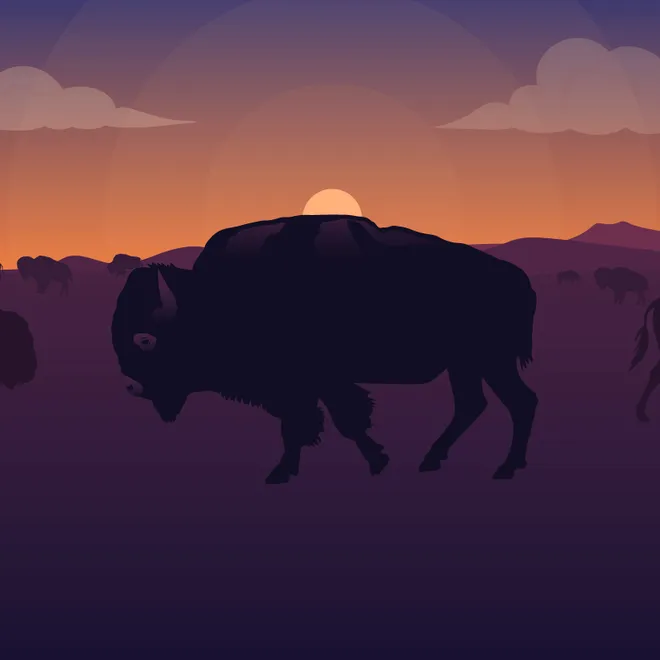
At one point over 30-60 million plains bison roamed across North America. Moving hundreds of miles each year, they help shape the land and contribute to the overall health of the ecosystem. But after European settlement, the population was reduced to only approximately 500 animals.
© WWF Graphic
© WWF Graphic
How do bison affect their ecosystem?
Bison graze the grasses at different heights, providing nesting grounds for birds. They also roll around and pack down the soil in depressions in the ground known as wallows. Their wallows fill with rainwater and offer breeding pools for amphibians and sources of drinking water for wildlife across the landscape.
© WWF Graphic
Bison and wallow water networks
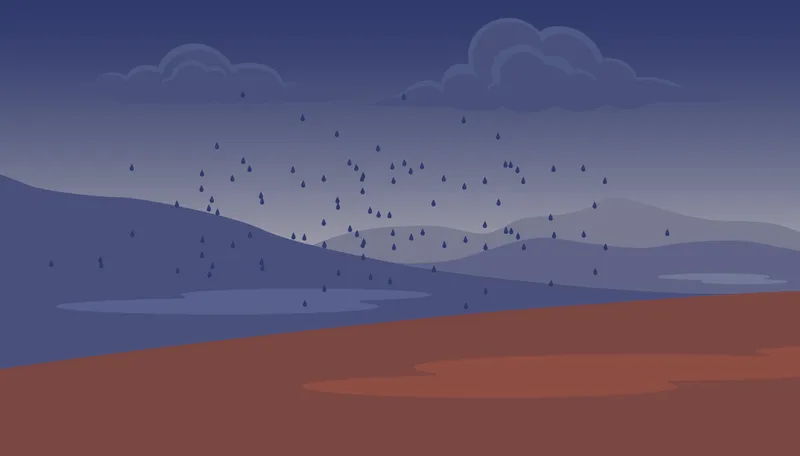
Rain only comes in bursts in the Northern Great Plains, forming vast networks of wetlands in some regions. Pools formed by bison activity collect water above ground for longer periods of time, more broadly across the landscape. Without these wallows, water would only be found in naturally occurring streams and ponds.
© WWF Graphic
Bison and plants
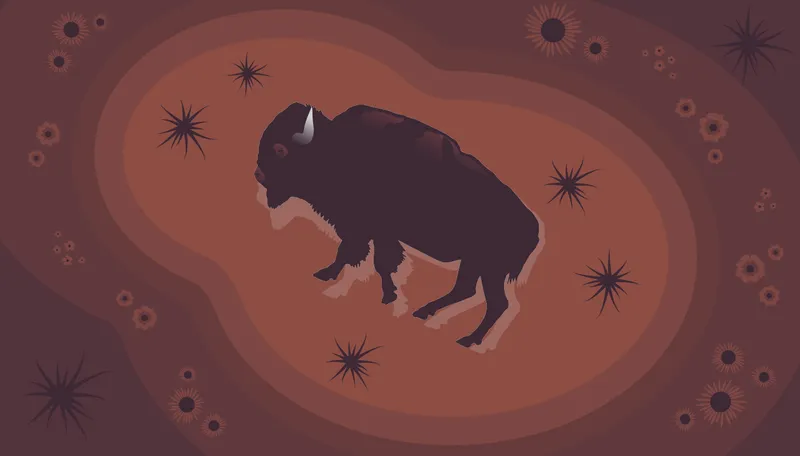
Wallows help plants, too, by providing a specialized habitat. Several medicinal and rare plants—and plains animal habitats—rely on these depressions.
© WWF Graphic
Bison and birds
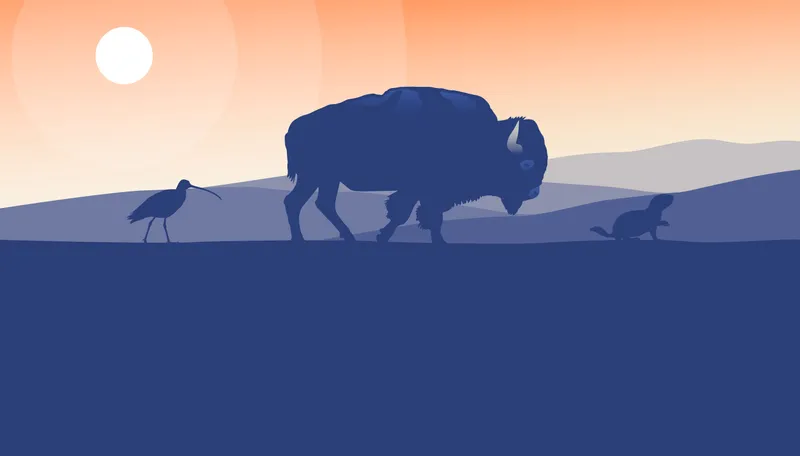
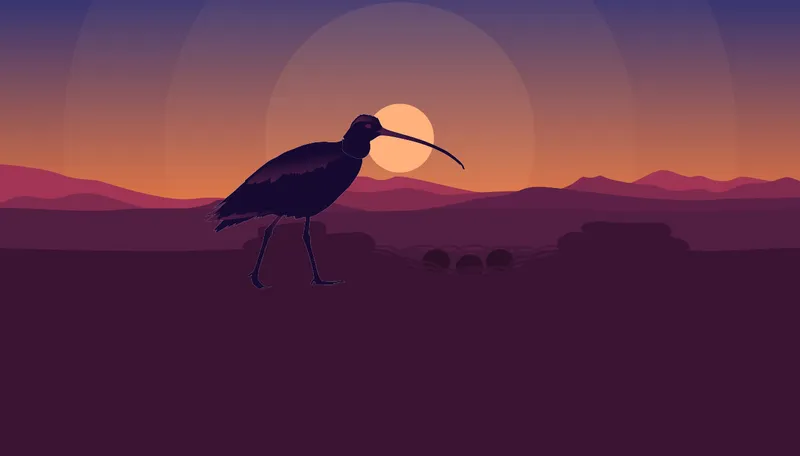
Birds such as long-billed curlew use bison droppings as camouflage. They build nests nearby in patterns that mimic bison droppings. Birds also use bison fur to line their nests. The dense fur provides much-needed warmth and fosters greater nesting success.
© WWF Graphic
Bison and prairie dogs
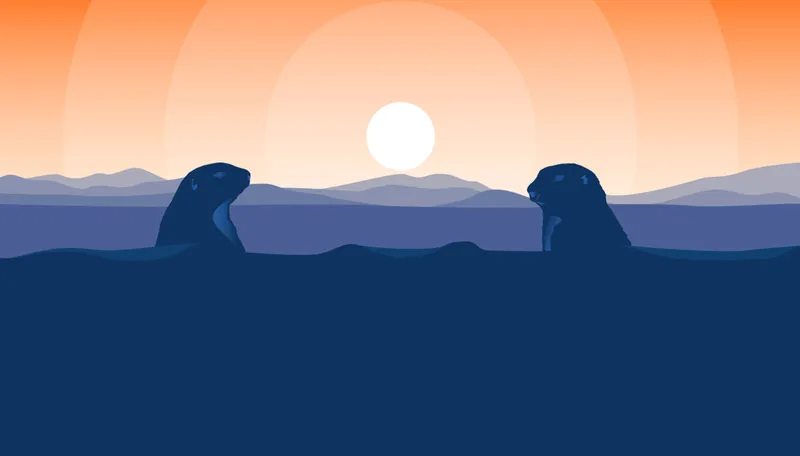
Prairie dogs prefer to nest in areas that bison heavily graze. Short grasses provide ideal areas to dig burrows and serve as a source of food.
© WWF Graphic
Bison highways
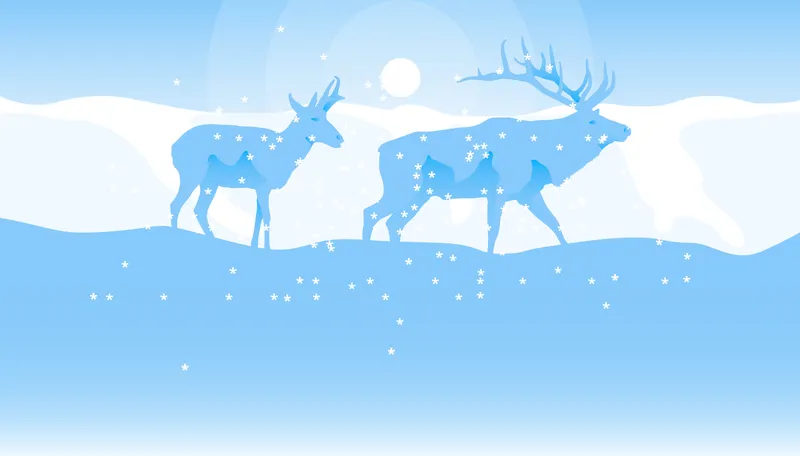
The bison’s massive heads and shoulders allow them to plow through deep snow, making highways for animals such as pronghorn antelope and elk in the winter months. Their foraging activities in snow also make it possible for other animals to reach grasses that would otherwise be unattainable.
© WWF Graphic
Bison’s direct impact on tribal life
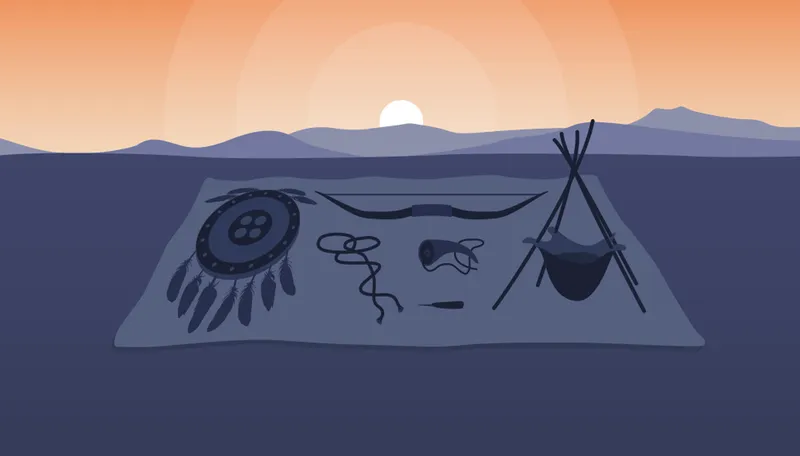
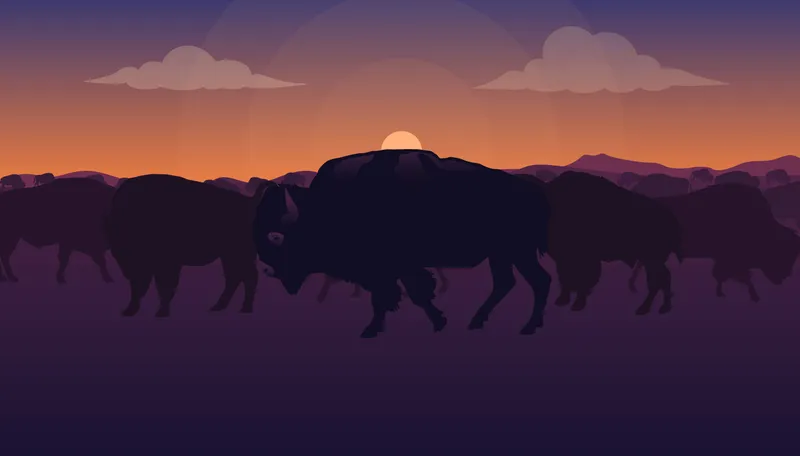
For millennia, tribal communities in the Northern Great Plains depended on bison for food and shelter. People used every part of the bison for a variety of specialized purposes, including food, tools, musical instruments, and shelter.
© WWF Graphic
WWF’s plan to protect plains bison
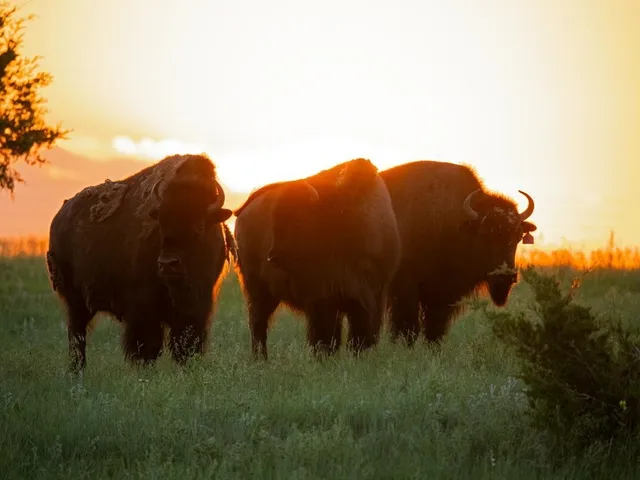
WWF works with tribal partners and national parks to help protect this vital species. Our goal is to establish five herds of at least 1,000 bison each by 2025, providing an opportunity for greater genetic diversity and healthy plains bison populations.
© WWF-US/Clay Bolt
Support Tribes restore buffalo to the Great Plains
The Indian Buffalo Management Act would strengthen support for Tribal Nations who are working to bring buffalo back from the brink of extinction.