Publications
-
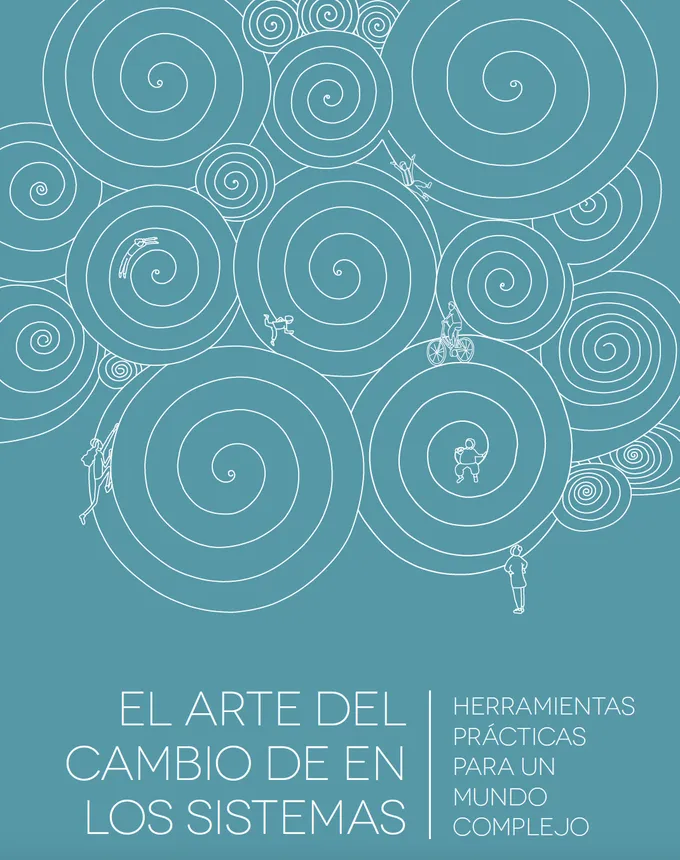
En 2019, varios profesionales y cientificos, todos "pensadores sistémicos", escribieron un libro llamado "The Art of Systems Change" (El arte del cambio en los sistemas). El libro hace una introduccion a los principios fundamentales del pensamiento sistémico y presenta un conjunto de ocho principios mutuamente reforzantes que pueden guiar los esfuerzos para abordar nuestros desafios ambientales y sociales más urgentes. Esta guia está diseñada para complementar ese libro, canalizando la filosofia de esos ocho principios en fases tangibles de una trayectoria. Esta guia contiene historias, herramientas y percepciones que respaldan una forma de trabajo que aspira a ser inclusiva, holistica e impactante.
-
This document presents funding proposal "FP203: Heritage Colombia (HECO): Maximizing the Contributions of Sustainably Managed Landscapes in Colombia for Achievement of Climate Goals," as approved by the Board of the Green Climate Fund at B.35.
-
-
This document is a printable version of the introductory guide on the Open Governance topic page of the Targeting Natural Resource Corruption (TNRC) Knowledge Hub. It outlines the impact of corruption on the governance of natural resources and provides guidance and tools that can help conservation and natural resource management practitioners to leverage open governance approaches in response.
-
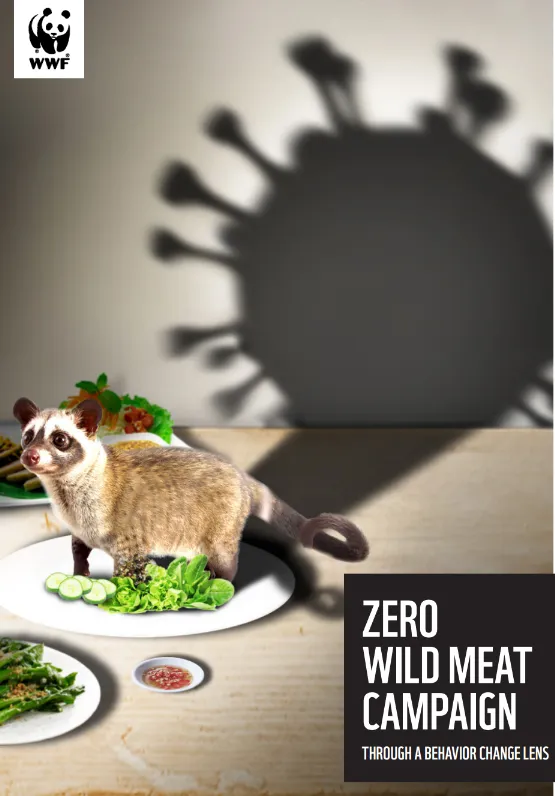
Zero Wild Meat was an innovative campaign launched by WWF between October and December 2022 that spotlighted two serious threats‚ – risks to public health and risks to nature‚ – in order to reduce the consumption of wild meat in Viet Nam, Cambodia, and Lao PDR.
This report illustrates the campaign design, implementation, and evaluation through a behavior change lens, provides insights from its pre- and post-campaign surveys among wild meat eaters, and summarizes key learnings for future interventions.
-
This document is a printable version of the introductory guide on the Supply Chains topic page of the Targeting Natural Resource Corruption (TNRC) Knowledge Hub. It outlines the impact of corruption along the forest, fishery, and wildlife supply chains and provides guidance and tools that can help conservation and natural resource management practitioners to strengthen their context-specific programming and related responses.
-
This document is a printable version of the introductory guide on the Communities and Inclusion topic page of the Targeting Natural Resource Corruption (TNRC) Knowledge Hub. It provides information, guidance, and tools for practitioners who seek to integrate anti-corruption approaches into their context-specific programming responses to address the threats of corruption in community-based work and inclusive conservation efforts.
-
During the second half of December of 2022, 11 colonies of monarch butterflies - three in the state of Michoac√°n and eight in the State of Mexico - were recorded to occupy a total of 2.21 hectares (ha) of forest, this represents a 22% decrease in relation to the area recorded in 2021 (2.84 ha).
-
Between March of 2021 and April of 2022, 58.69 hectares (ha) of forests in the core zone of the Monarch Butterfly Biosphere Reserve (MBBR) were affected: 28.7 ha were cleared for sanitation cutting; 15.12 ha were affected by fires; 1.42 ha were affected by drought, and 13.41 ha were affected by illegal logging; this cause was slightly reduced compared to 13.94 ha of illegal logging recorded between 2020-2021. In general, the total forest degradation area tripled with respect to the 18.83 ha reported the previous year.
-
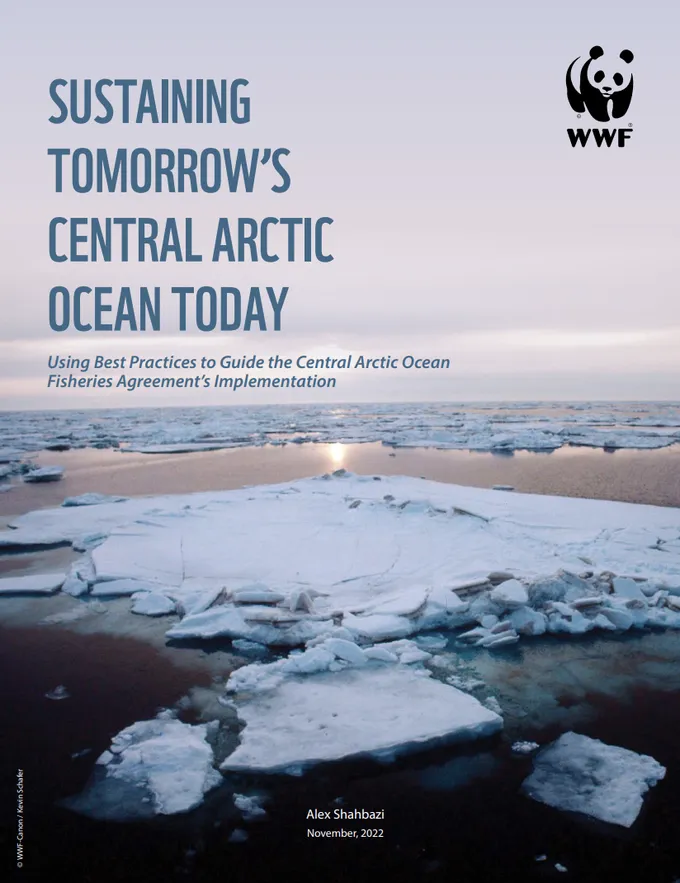
The central Arctic Ocean is becoming accessible for the first time in human history. As climate change diminishes the region's traditional meters-thick sea ice cover, the potential for a commercial fishery is growing. In precautionary response to the ecological disaster that overfishing would cause to the central Arctic Ocean ecosystem, 10 parties (Canada, Denmark in respect of Greenland and the Faroe Islands, Norway, Russia, the United States, China, Iceland, Japan, South Korea, and the European Union) signed the Central Arctic Ocean Fisheries Agreement (CAOFA) in October 2018, with the agreement entering into force in June 2021. This report examines best practices and lessons learned from regional fisheries management organizations, other relevant organizations and agreements, and subject matter experts to inform good fisheries governance within the central Arctic Ocean as well as good governance within the greater Arctic environment.