Publications
-
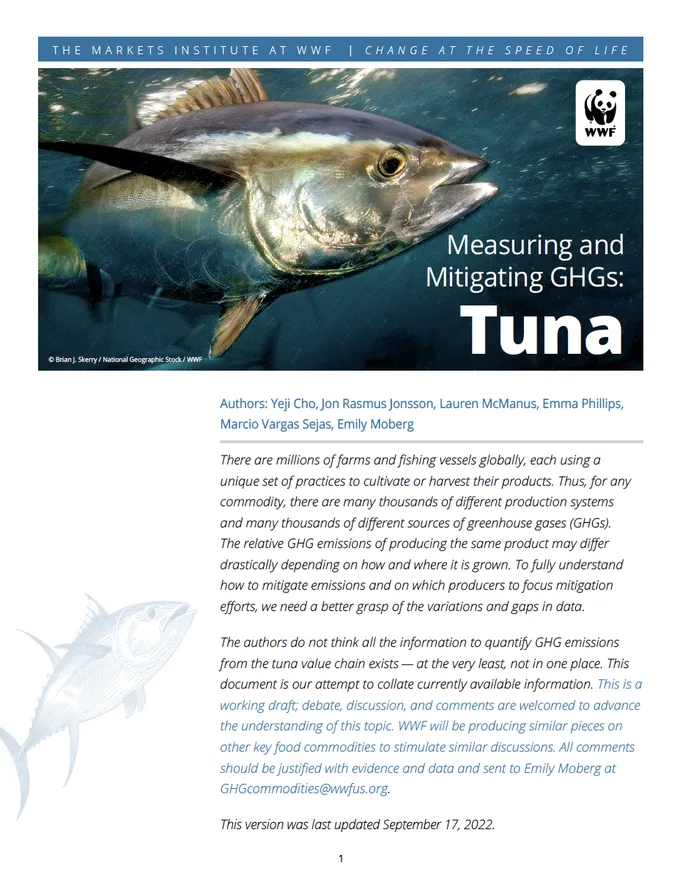
These commodity-focused briefs are our attempt to collate currently available information on GHG emissions from each of 10 products, which represent a range of foods -- from row crops to grazed and fed livestock, from tree-crops to aquaculture and wild-caught fish. We expect that new scientific research and advances in agricultural technology and practices will change what we know and reveal new questions. We hope you will be part of these works-in-progress and share new information or insights with us so we can all learn faster and act better and more quickly. To share information, feedback, or insights related to these briefs, please e-mail Emily Moberg at [email protected].
-
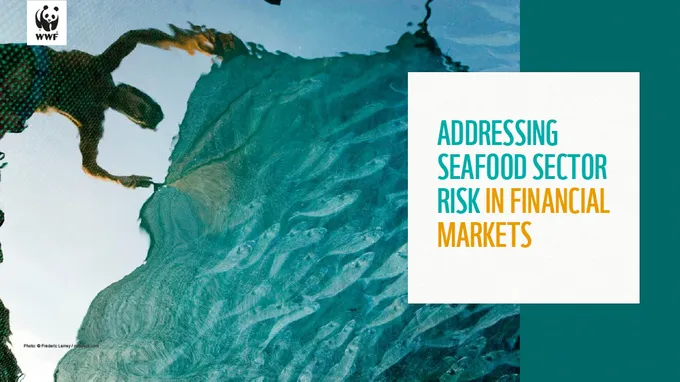
Case for action: Addressing Seafood Sector Risk in Financial Markets
-
This handout provides the technical definition of corruption as it is used in the anti-corruption field and lists different key corrupt behaviors.
Visit the TNRC Knowledge Hub for more resources.---
This content is made possible by the generous support of the American people through the United States Agency for International Development (USAID). The contents are the responsibility of World Wildlife Fund (WWF) and do not necessarily reflect the views of USAID, the United States Government, or individual TNRC consortium members.
-
This handout provides practitioners with a list of key strategy design and situational analysis questions to consider when integrating anti-corruption into programming.
Visit the TNRC Knowledge Hub for more resources.
---
This content is made possible by the generous support of the American people through the United States Agency for International Development (USAID). The contents are the responsibility of World Wildlife Fund (WWF) and do not necessarily reflect the views of USAID, the United States Government, or individual TNRC consortium members.
-
This handout explains three comprehensive anti-corruption measures that practitioners should consider when addressing the threats posed by corruption.
Visit the TNRC Knowledge Hub for more resources.
---
This content is made possible by the generous support of the American people through the United States Agency for International Development (USAID). The contents are the responsibility of World Wildlife Fund (WWF) and do not necessarily reflect the views of USAID, the United States Government, or individual TNRC consortium members.
-
Tide and World Wildlife Fund (WWF) are sharing findings from a joint exploration to advance the science of eco-behavior change – undertaken as part of an ongoing collaborative effort to make washing laundry in cold water the next broadly adopted eco-habit as an important step to reduce greenhouse gas emissions. Tide and WWF believe the information gathered from their work together on laundry are applicable for all brands seeking to partner with consumers to create positive environmental impact and hope it will propel further dialogue around how to make more sustainable habits the social norm.
Tide and WWF engaged consumer insights research firm, Behavioral Insights Team (BIT), to undertake a comprehensive review of existing published research and case studies on sustainable habits, including relevant consumer tests from P&G and best practices in climate change impact from WWF.
-
-
-
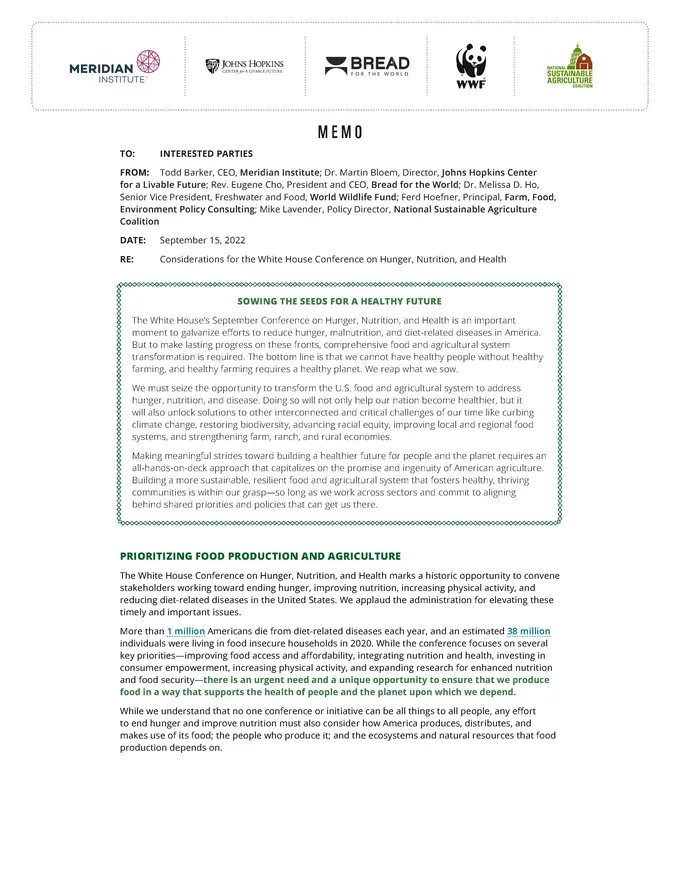
The White House‚'s September Conference on Hunger, Nutrition, and Health is an important moment to galvanize efforts to reduce hunger, malnutrition, and diet-related diseases in America. But to make lasting progress on these fronts, comprehensive food and agricultural system transformation is required; we cannot have healthy people without healthy farming, and healthy farming requires a healthy planet.
In this memo we offer thoughts on how the gathering might consider the myriad ways food consumption and production are inextricably linked in the U.S., and provide recommendations for this opportune moment to comprehensively address food and agricultural system transformation.
-
The forestry sector is immensely important to Tanzania's economy but corruption robs much of the revenue and the government's ability to effectively manage timber harvesting. This practice note from TNRC partner TRAFFIC explores how the timber tracking system has improved data management and traceability along Tanzania's timber products supply chain. Additionally, it shares the experiences, views, gaps, and challenges encountered and suggestions for further improvements of the frontline users of the system.
Visit the TNRC Knowledge Hub for more resources.---
This content is made possible by the generous support of the American people through the United States Agency for International Development (USAID). The contents are the responsibility of World Wildlife Fund (WWF) and do not necessarily reflect the views of USAID, the United States Government, or individual TNRC consortium members.