Publications
-
-
-
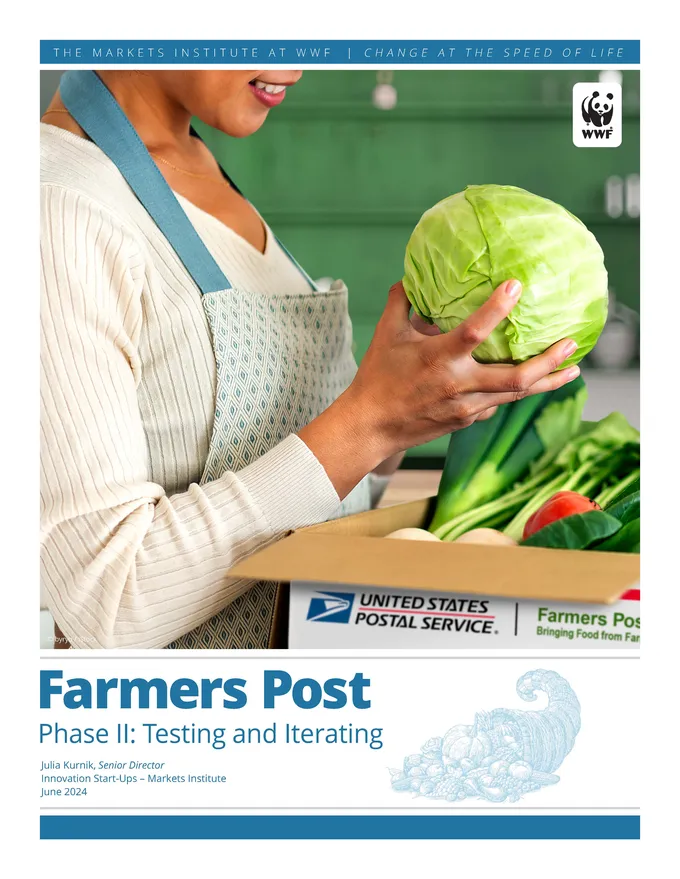
Farmers Post, which partners with the US Postal Service (USPS) to better connect small farmers to local consumers, could revolutionize how we access and consume food today. This report gives an update on current pilot testing in Connecticut and Virginia, presents findings from perspective customer research, and explores what adjustments and next steps are needed to build the best possible program.
The Phase I report is available here: Farmers Post: Getting Food from Farms to Families
-
ALIGN team members met in Ulaanbaatar, Mongolia, in June 2024 for the project‚'s annual meeting. Attendees included staff from WWF-US, WWF-Nepal, WWF-India, WWF-Mongolia, and the Center for Large Landscape Conservation. The team‚'s main objectives were to reflect on ALIGN‚'s achievements and challenges in its third year and strategize for the project‚'s upcoming fourth and final year.
-
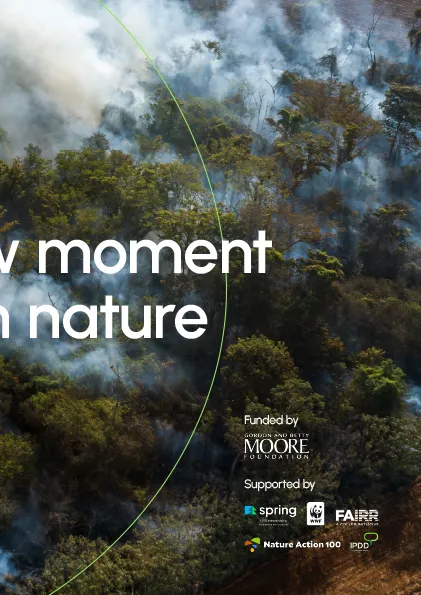
Nature risks are now too big to ignore. The data is clear that nature loss presents a material and systemic threat to economies and businesses across all markets. As a result, policy and regulatory risks, physical and operational risks, reputational risks and legal risks are accelerating faster than many businesses are prepared for.
In the run up to COP30, a group of nature-related investor stewardship initiatives and some of the world‚'s largest investors including PRI‚'s Spring, WWF, FAIRR, NA100, FSDA, IPDD, Generation Investment Management, Storebrand, have come together to produce a briefing pack to help investors navigate this new moment on nature. The pack is designed to:
- Set out a common story of momentum and a unified argument for investor and, in tandem, corporate action on nature.
- Raise the profile of the issue and help investors to get ahead of the risks and seize the opportunity associated with the transition to a nature positive, net zero, just world.
- Demonstrate increasing focus and alignment of investor expectations on nature and what that means for corporate action in 2024.
-
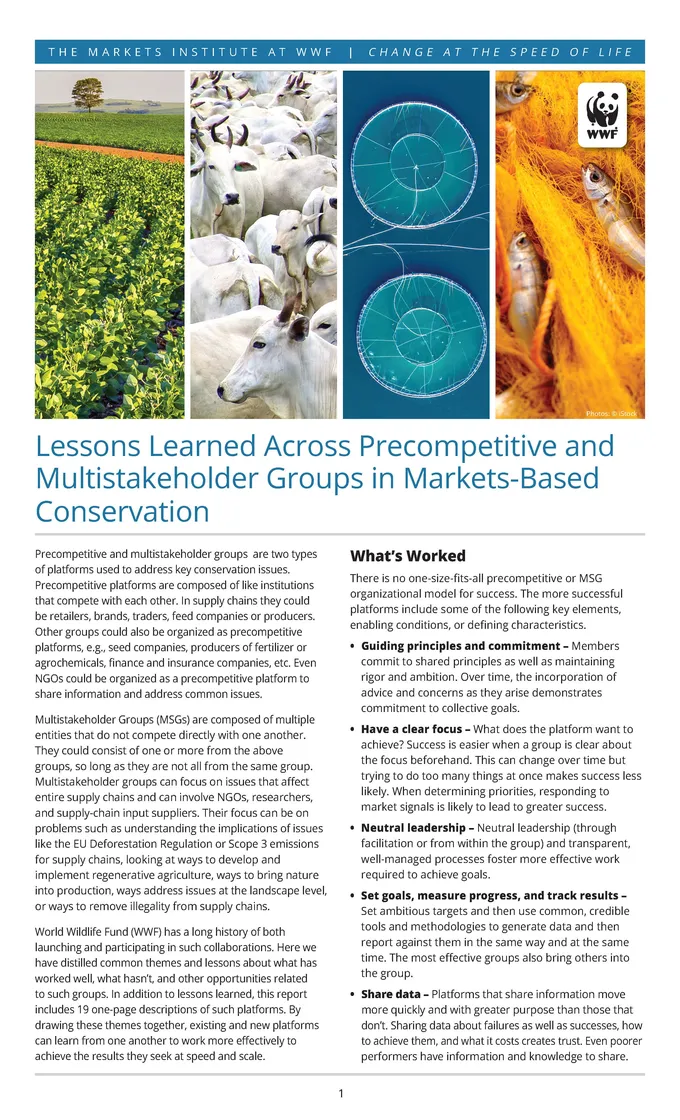
World Wildlife Fund has a long history of both launching and participating in multistakeholder and precompetitive platforms. In this paper we have distilled common themes and lessons about what has worked well, what hasn‚'t, and other opportunities related to such groups. By drawing these themes together, existing and new platforms can learn from one another to work more effectively to achieve the results they seek at speed and scale.
-
-
-
WWF-Mongolia, with support from the ALIGN Project, contributed to the recent passage of a new national standard for railway and highway barrier fences in Mongolia. The standard will reduce the risk of hundreds of species being caught in barbed fences and keep these fences from restricting wildlife movement.
View a roundup of media coverage on the standard.
-
The ALIGN project in Nepal collaborated with Radio Sagarmatha to produce four episodes on the need for natural resource safeguards in LI development. The radio program series was produced to raise awareness, provide correct and relevant information to a wide audience. The program was titled "Digo Bikash ra Prakritik Shrot ko Samrakshyan" (Sustainable Development and Natural Resource safeguarding) and provided information on Nepal‚'s wildlife-friendly infrastructure directives to the audiences.