Publications
-
This business case:
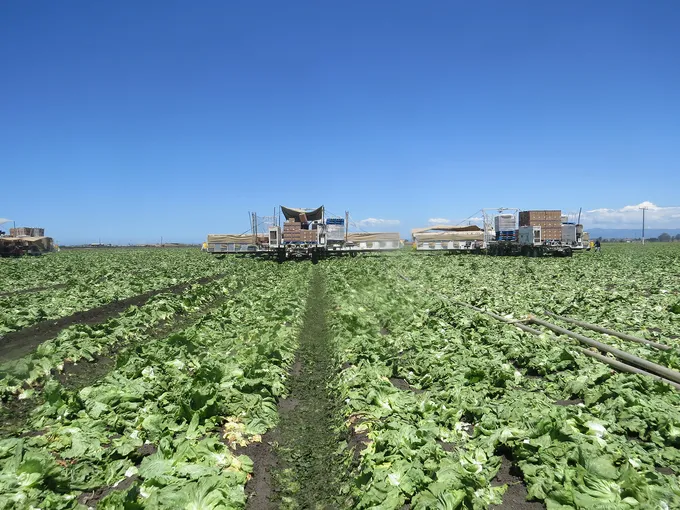
- Summarizes a project working with growers measuring their on-farm losses using the Stewardship Index for Specialty Crops Food Loss metric tool.
- Confirms collecting in-field data is not time-intensive and provides evidence to support the business case for on-farm measurement benefitting both growers and buyers.
- Illustrates the value of available opportunities for growers engaged in on-farm loss measurement.
Grower participants include Calavo, Duda Farm Fresh Foods, Pacific International Marketing, Lipman Family Farms, Campbell Soup Company and E&H Farm, Coastline Family Farms, and Dole Fresh Vegetables (a division of Dole Food Company Inc.).
The Measurement Photo Guide:
- Shows step-by-step how easy it is to collect data about the amount of product left in the field
- Illustrates the equipment needed to collect field samples
- Shows the time it takes to collect and sort field samples
- Provides a simple calculation for determining sample area
-
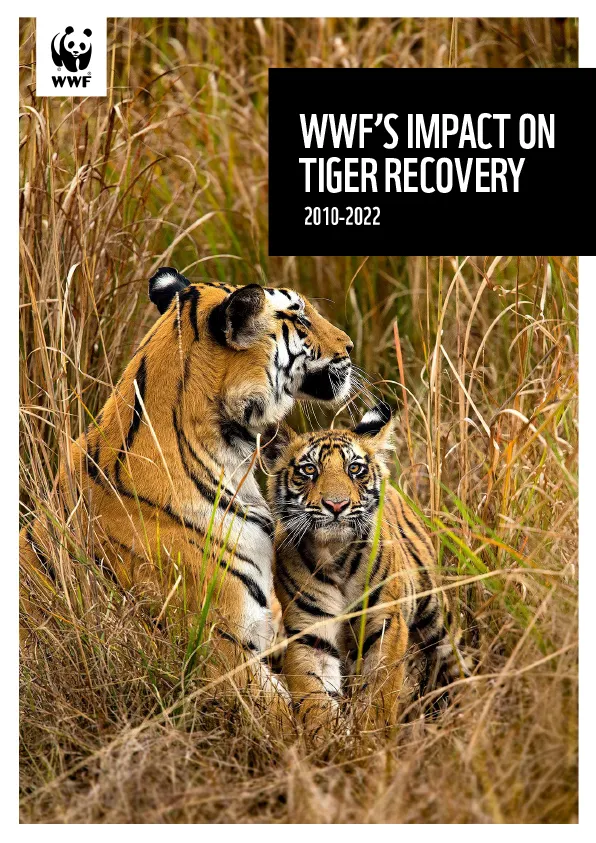
WWF has driven towards the TX2 goal for the last decade, supporting the 13 tiger range country governments to act and fulfill their commitments with partnerships, policy advice, and collaborative solutions. WWF has invested or leveraged over US $200m across 10 offices, 14 landscapes, and 50 heartlands ‚ – those areas identified as having the highest potential for tiger recovery. However, despite the positive trends in wild tiger numbers, it is important to acknowledge that these gains are fragile and have not been uniform across Asia‚'s sub-regions. While globally tiger numbers may be on the rise, tiger range has continued to decline and tigers today are restricted to less than 5 per cent of their historic range.
-
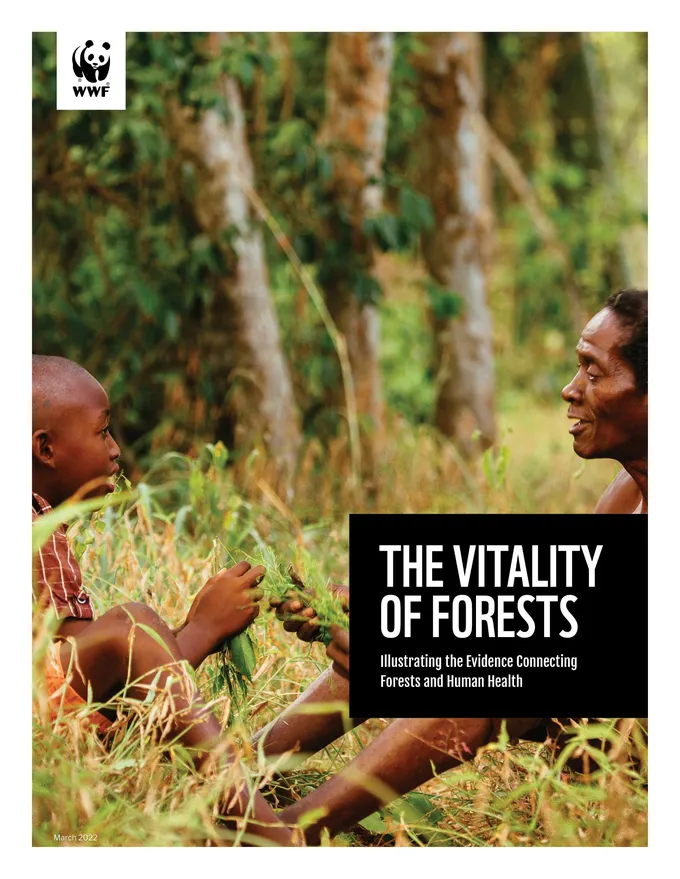
Before the pandemic, WWF started asking how forests benefit human health. During the fall of 2019, we hosted a Fuller Symposium on human health and conservation that heavily featured forests‚' contributions to our well-being. We heard a lot of statements about how forests and human health might influence each other but not much that provided a more holistic view of the type of forest and health research that exists or how to start classifying it.
With this in mind, the WWF Forest team redoubled our efforts to understand the science behind forests and human health. Our investigation explored five categories of potential interactions between forests and human health: noncommunicable diseases like cancer and diabetes, environmental exposure, food and nutrition, physical hazards, and infectious diseases.
We uncovered ample evidence that forests provide, prevent, and heal. While there are some hazards forests pose to human health, we found that the conservation, protection, and restoration of the world‚'s forests are undeniably critical to safeguarding and promoting human health while also making indispensable contributions to managing climate change and biodiversity loss.
The resulting report, The Vitality of Forests: Illustrating the Evidence Connecting Forests and Human Health, is intended to better justify why the public, policymakers, and private sector should be interested in forests‚' role beyond their recreational, carbon sequestration, or biodiversity conservation potential. The evidence demonstrates that public health and forests are entwined‚ – at the local, regional, and global scale‚ – and that across each of nature‚'s contributions to human health, forest conservation, protection, and management can improve human lives.
-
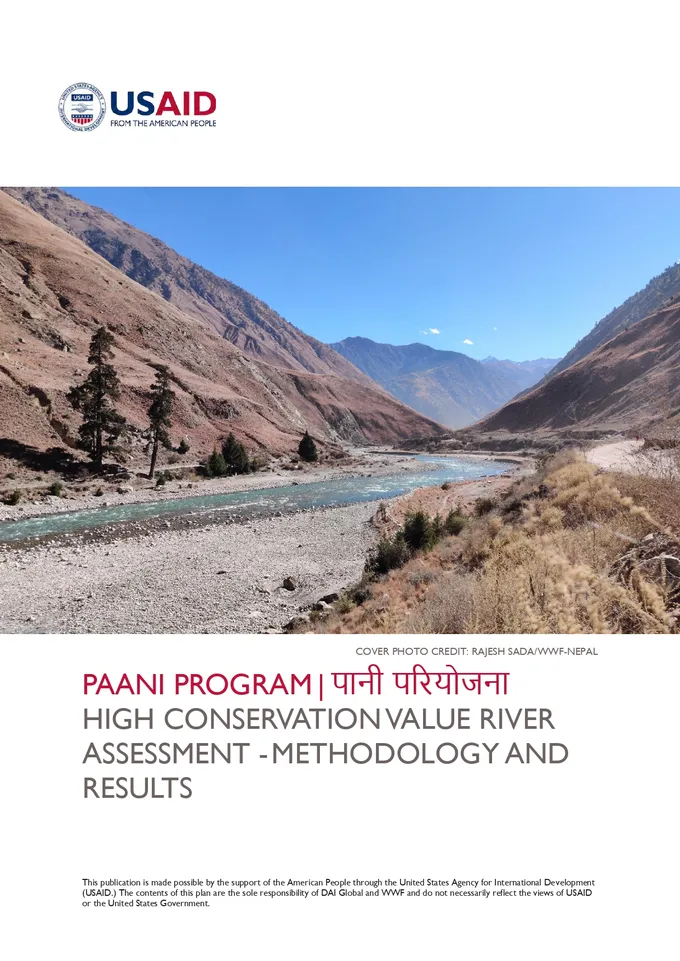
The High Conservation Value River Assessment is a technical assessment that maps the various values of Nepal‚'s rivers, informing future prioritizations for river protections. The High Conservation Value assessment found that close to 62% of Nepal‚'s rivers have at least one conservation value (i.e. ecological, economic, social, and/or cultural value), and are both free-flowing and have high water quality.
-
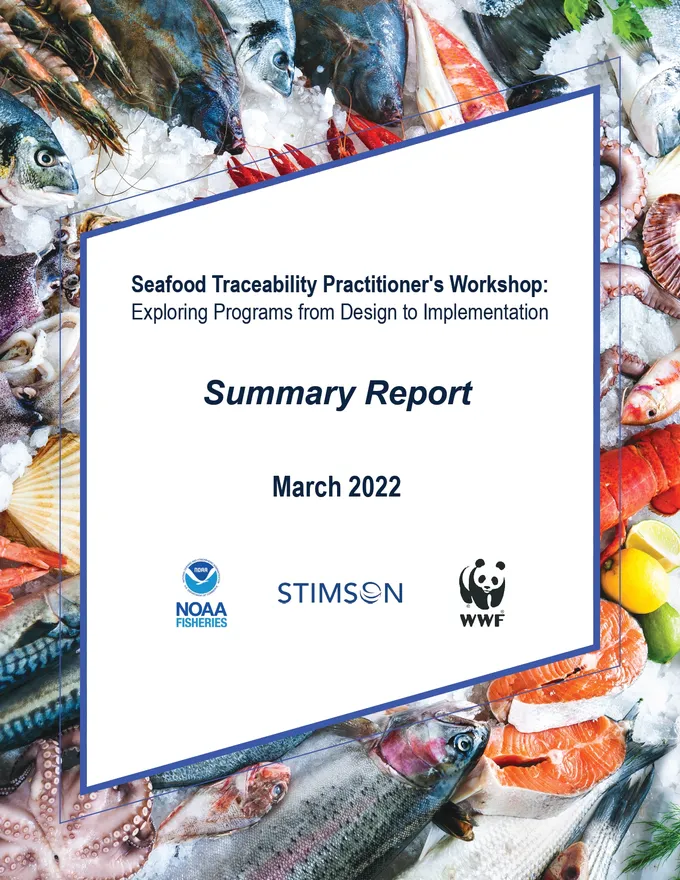
Illegal, unreported, and unregulated (IUU) fishing continues to plague the world‚'s marine resources despite increased attention and initiatives. NOAA Fisheries, the Henry L. Stimson Center, and WWF hosted a Seafood Traceability Practitioner's Workshop to open a dialogue on this issue and bring together creative minds and best practices from practitioners in government, industry, and NGOs. The overall goal was to facilitate the exchange of practical information and innovative ideas for solutions designed to improve seafood traceability and ultimately prevent IUU fish and fish products from entering the global seafood supply chain.
-
In collaboration with the CARE-WWF Alliance, EnGen Collaborative conducted a literature review as a critical step in responding to the question: What is the cost of biodiversity loss and environmental degradation on gender equality? The research unearthed several findings about the relationship between gender and the environment, but what is most noteworthy are the gaps that emerged.
-
-
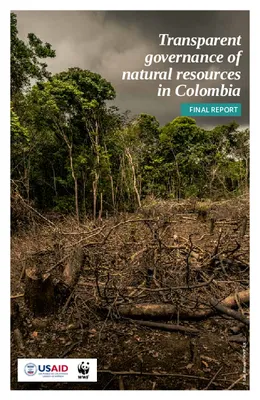
Transparent Governance of Natural Resources (TGNR) is a project funded by USAID and executed by WWF with three (3) organizations that contributed information and the methodology for the analysis. The project's primary aim was to generate clear and feasible recommendations for mitigating corruption and organized crime that are the cause of deforestation, forest degradation, and biodiversity loss in the Amazon and the Colombian Pacific. To this end, the TGNR identified and prioritized four (4) drivers associated with this environmental problem: illegal gold mining, illegal logging, wildlife trafficking and land grabbing.
-
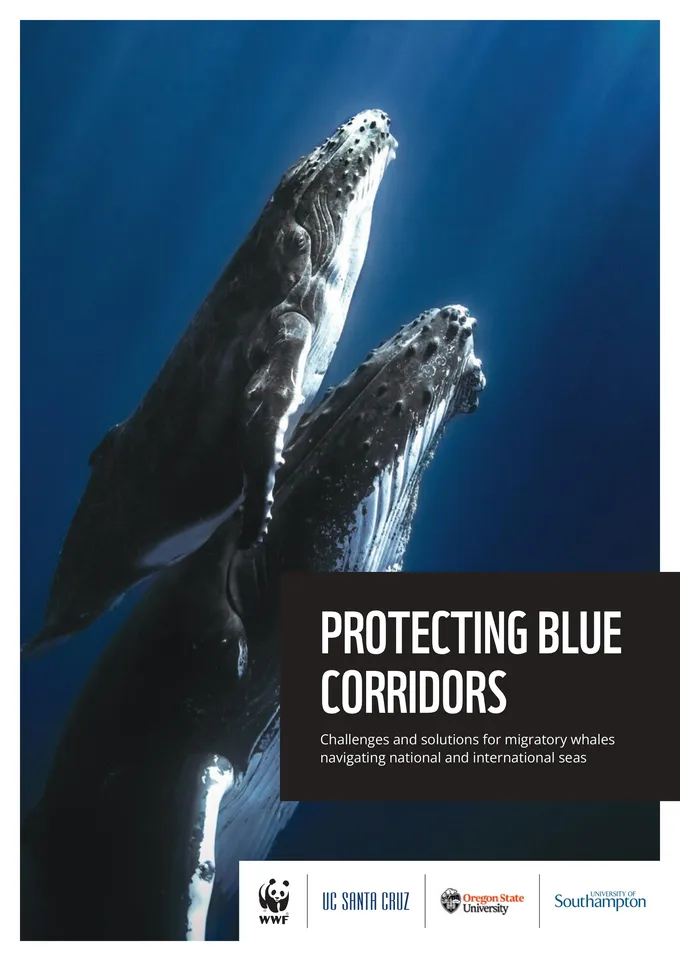
Challenges and solutions for migratory whales navigating national and international seas.
-
The Bioplastic Feedstock Alliance (BFA) is a WWF-led multistakeholder initiative that provides thought leadership on responsibly sourced bioplastics as part of a circular economy. A foundational objective of the BFA is to develop and maintain a methodology for assessing bioplastic feedstocks in order to secure a common understanding of responsible sourcing considerations. This methodology, which is an update to a version published in 2016, serves as a tool to allow brands and producers to make more transparent sourcing decisions on biobased plastic feedstocks.