Publications
-
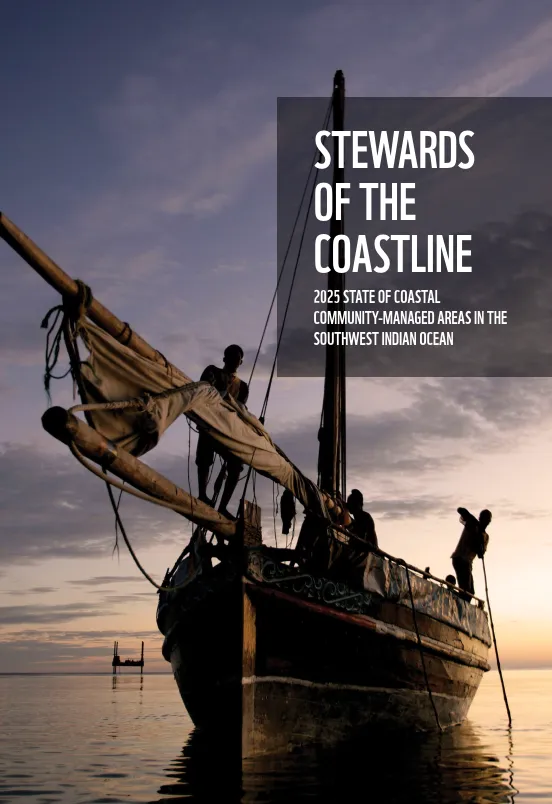
The Stewards of the Coastline provides the first regional assessment of community-led marine governance in the Southwest Indian Ocean (SWIO) region that leverages the power of the ElinorData.org platform. Based on data from 52 community-managed areas across five countries, this report highlights the strengths, challenges, and opportunities for community-led marine governance, showcasing successes while highlighting key areas for improvement. It provides a clear roadmap for action, outlining the steps that governments, non-governmental organizations, funders, and other stakeholders must take to ensure communities have the rights, resources, and support they need to safeguard marine ecosystems and sustain their way of life. A collaboration between WWF, CORDIO East Africa, and many other partners advancing marine conservation in the Western Indian Ocean, this report underscores the power of collaboration and local stewardship in ensuring resilient coastal ecosystems and thriving communities.
-
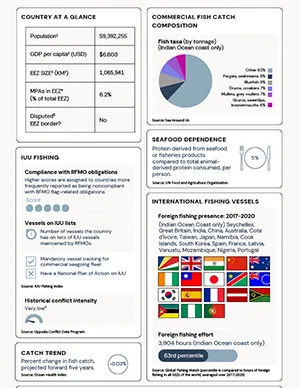
Conflicts over marine fisheries will increase as fishing pressure, climate change, and IUU fishing impact stocks. The following documents summarize the conditions that contribute to the risk of fisheries conflict in the next five years in 10 African nations. Data and analysis are available at OceansFutures.org.
-
-
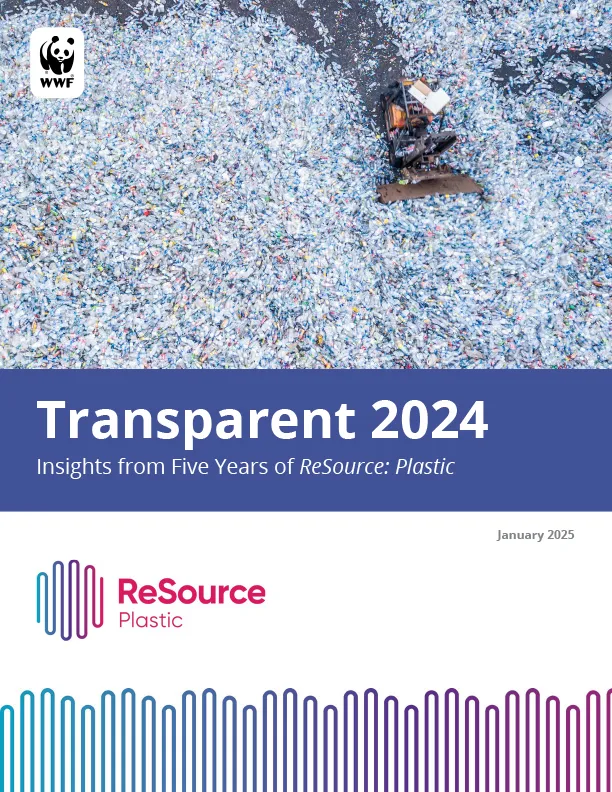
World Wildlife Fund (WWF) is working toward a vision of No Plastic in Nature by 2030 and is leading the charge to help reimagine how we source, design, dispose of, and reuse the plastic materials communities most depend on. As part of the effort to bring data and collaboration to the forefront of corporate action, ReSource: Plastic publicly reports on the progress of its Member companies year over year. The Transparent report series is ReSource‚'s annual publication that details and tracks progress on Member activities and harnesses this new data to provide recommendations for action‚ – both internal to company supply chains and across wider multi-stakeholder efforts.
-
-
The International Federation of Consulting Engineers (FIDIC) Asia Pacific Conference 2024, "Governance for Climate Shocks," took place in Kathmandu from November 18 to 20, bringing together experts from more than 20 countries to discuss strategies for developing climate-resilient infrastructure. The conference covered governance, engineering innovations, and climate adaptation strategies, emphasizing the need for sustainable practices that balance economic growth with environmental preservation.
-
ALIGN Event Brings Together Academic Institutions to Share Knowledge on Developing Natural Resources
ALIGN collaborated with Green Governance Nepal to organize a knowledge-sharing event titled, "Knowledge Sharing for Academic Institutions on Mainstreaming Natural Resources Safeguarding Into Academic Curriculum." Representatives from universities and academic institutions nationwide gathered to share learnings and explore new curriculum opportunities to incorporate natural resource safeguards into infrastructure development.
-
ALIGN partnered with Nepal PhD Association to organize a national dialogue on green, resilient, and inclusive infrastructure development on December 12, 2024. The event brought together key stakeholders, including government officials, conservation experts, academics, and private sector representatives, all emphasizing the importance of a balanced approach that integrates both development and conservation.
-
To address the shortage of professionals in Mongolia who can integrate biodiversity and ecosystem considerations into infrastructure projects, ALIGN partnered with the National University of Mongolia to develop courses on natural resource safeguarding in infrastructure development. Through this initiative, over 600 students have gained valuable knowledge on the importance of protecting biodiversity, fostering a new generation of professionals committed to sustainable development and conservation.
-
In Nepal, civil engineers have traditionally focused on construction without considering the environmental impacts, but the rapid growth of infrastructure projects is forcing a shift. ALIGN is bridging the divide between conservation and development by partnering with academic intuitions to introduce new courses.