Publications
-
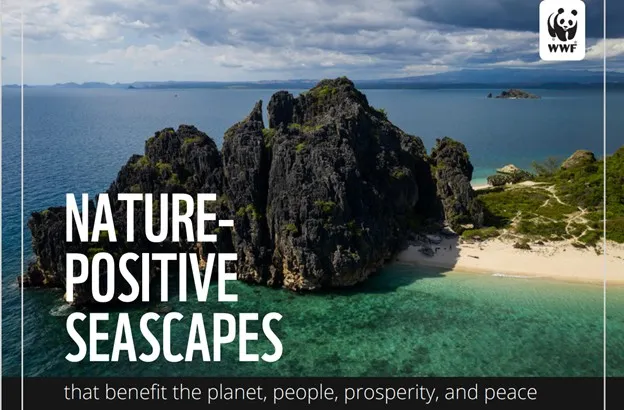
Learn how WWF-US is working with partners to co-create nature-positive seascape solutions that drive climate adaptation and resilience, food and livelihood security, peace and security, and healthy oceans outcomes in the Arctic, Latin America, Southern Africa, Southeast Asia, and the South Pacific.
-
Learn how WWF-US is developing innovative programs at the intersection of climate change, ocean health, and peace and security.
-
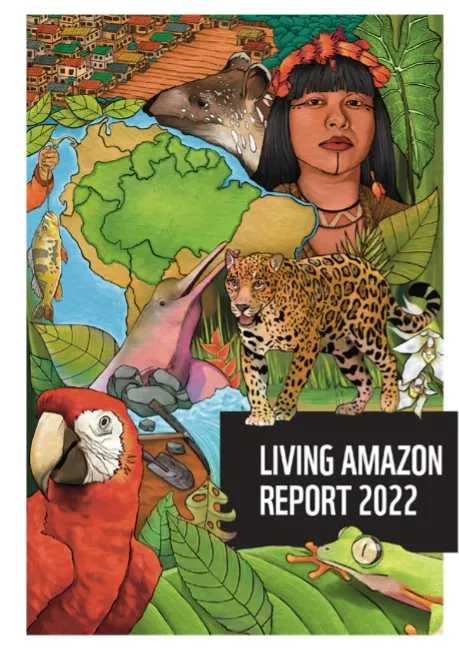
The Living Amazon Report 2022 focuses on the urgency of formulating and implementing action plans based on resilience in the face of global change, The report collects successful experiences implemented by WWF and partners throughout the biome that can be replicated and scaled. A different future is possible for the Amazon, if we collectively act now.
-
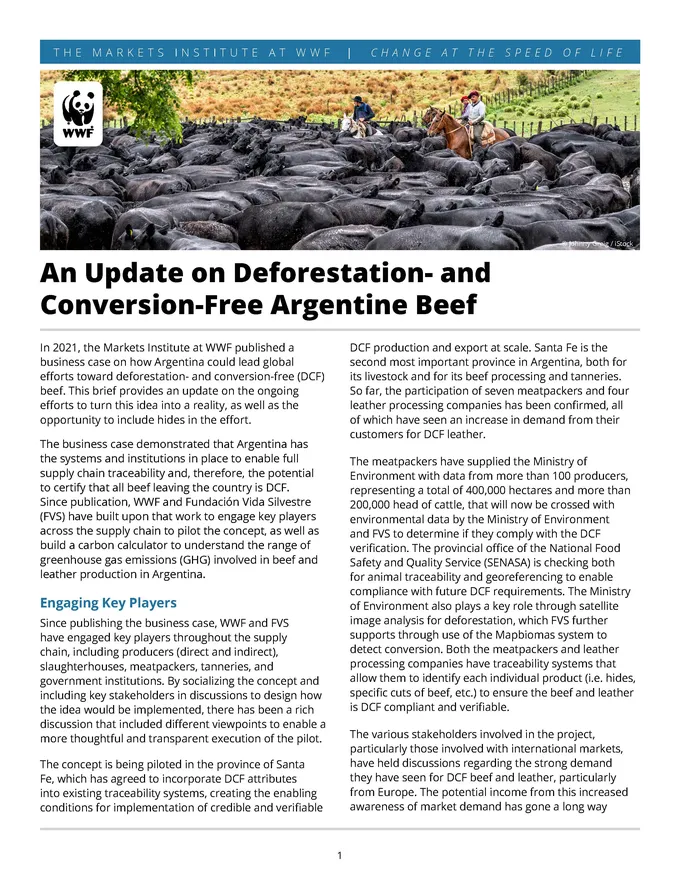
In 2021, the Markets Institute at WWF published a business case on how Argentina could lead global efforts toward deforestation- and conversion-free (DCF) beef. This brief provides an update on the ongoing efforts to turn this idea into a reality, as well as the opportunity to include hides in the effort.
-
-
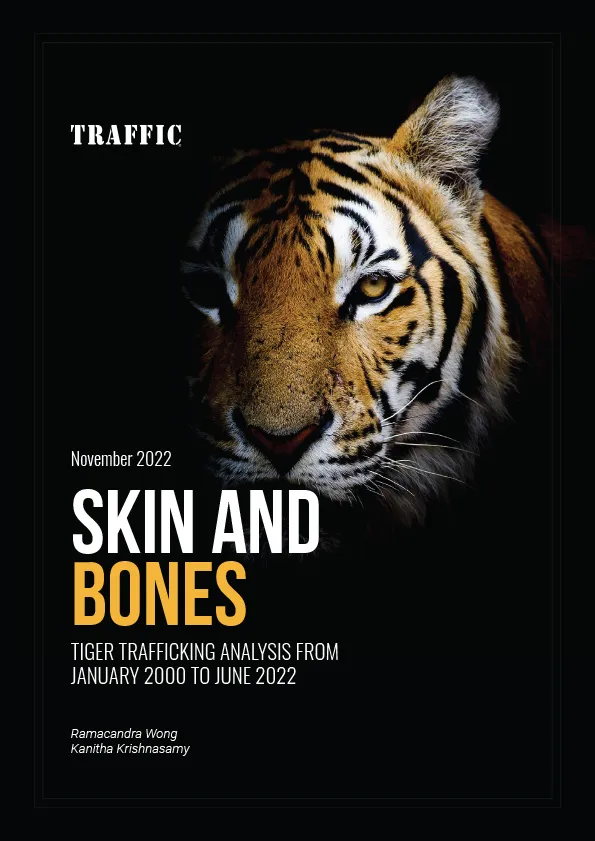
This report is the fifth iteration of TRAFFIC longstanding worldwide monitoring of the illegal trade in tigers Panthera tigris, almost 23 years of seizure data from January 2000 to June 2022.
-
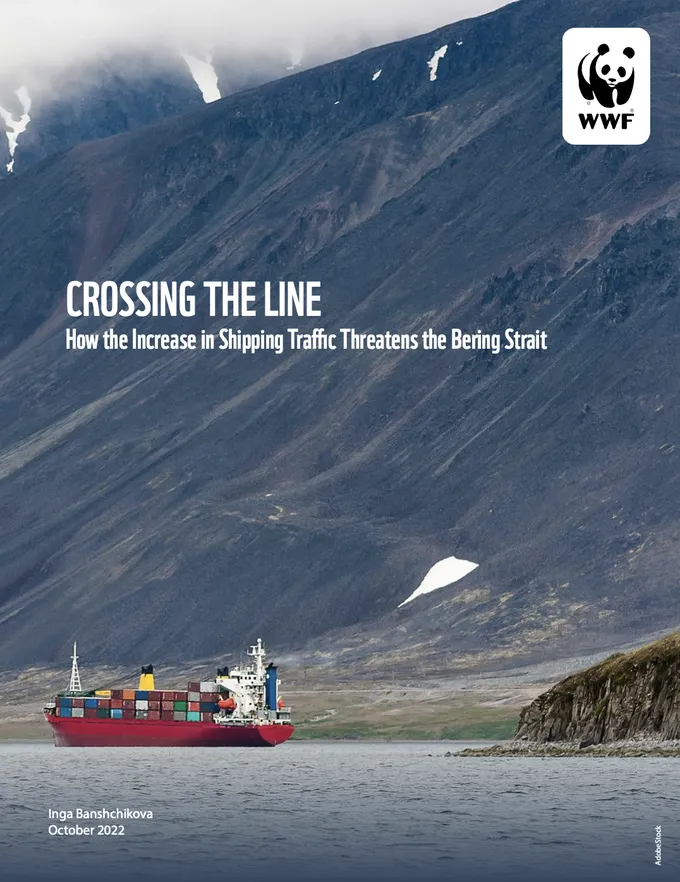
Today the Arctic is undergoing a fundamental transformation. Driven by climate change, this transformation promotes and accelerates industrial development in a fragile and vulnerable environment. As the Arctic sea ice is melting, northern shipping routes become navigable, providing easier access to the region‚'s vast hydrocarbon and mineral reserves. The expansion of the maritime activity over the Northern Sea Route, the flagship shipping lane of the north, heightens the risks to Arctic ecosystems, including pollution, increasing the likelihood of groundings, collisions, strikes of marine mammals or small watercraft, and spills of oil or other types of contaminants. These threats are especially relevant for the unique biologically productive ecosystems like the Bering Strait. The Bering Strait is the Northern Sea Route‚'s eastern gate, the narrow waterway separating the Russian Far East and Western Alaska. This paper presents a comprehensive look at the types and volumes of commodities that account for the expansion of maritime shipping activity along Russia‚'s northern coast and highlights the risk to already climate-imperiled ecosystems, species, and people. This report aims to increase public understanding of the trends in shipping traffic in the Arctic and to raise awareness of the risks that traffic poses. The paper suggests mitigation measures that might help reduce these threats and protect the precious ecosystem.
-
In a time where biodiversity and ecosystem vitality are declining at a rapid rate due to a changing climate and degradation of renewable natural resources, understanding how and where loss occurs in the food system is integral to mitigating the impact the food system has on our environment as well as anticipating when and where we will have food shortages.
No Grain Left Behind, the sixth installment in WWF‚'s No Food Left Behind series, focuses on harvest-related losses for corn and soybeans, as these crops are commonly rotated throughout the U.S. and collectively represent 22% of all agricultural cropland. Measuring and identifying loss drivers to improve the management and total yield presents an opportunity to capture food early in the value chain‚ – with the potential to improve harvests, benefit producers, the land, and the resources used to produce the crop.
For methodology and technical research, see the No Grain Left Behind: Midwest Corn and Soy Harvest Efficiency Report.
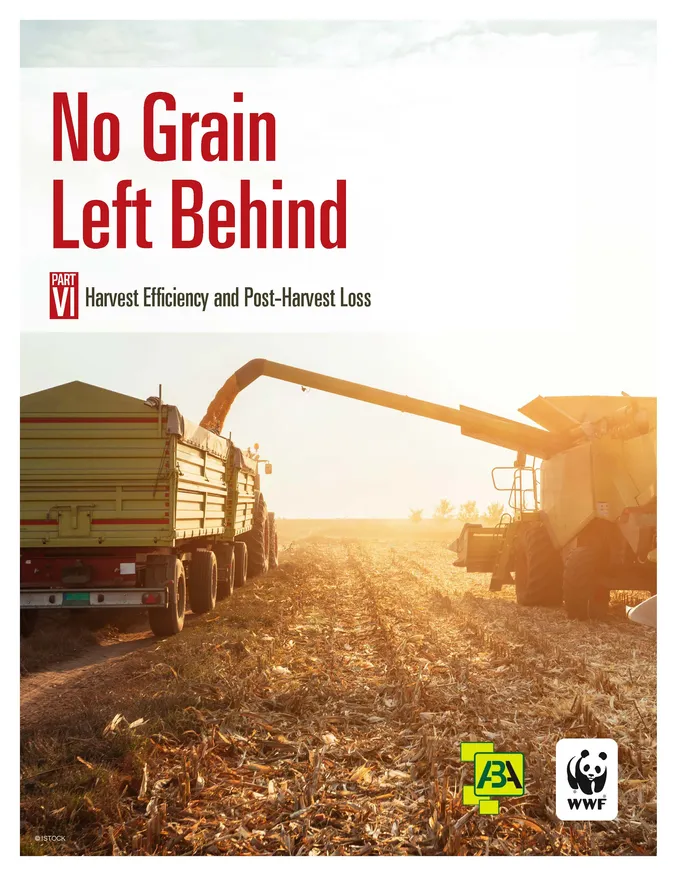
-
This technical report contains the methodology and research informing No Grain Left Behind, Part 6: Harvest Efficiency and Post-Harvest Loss.
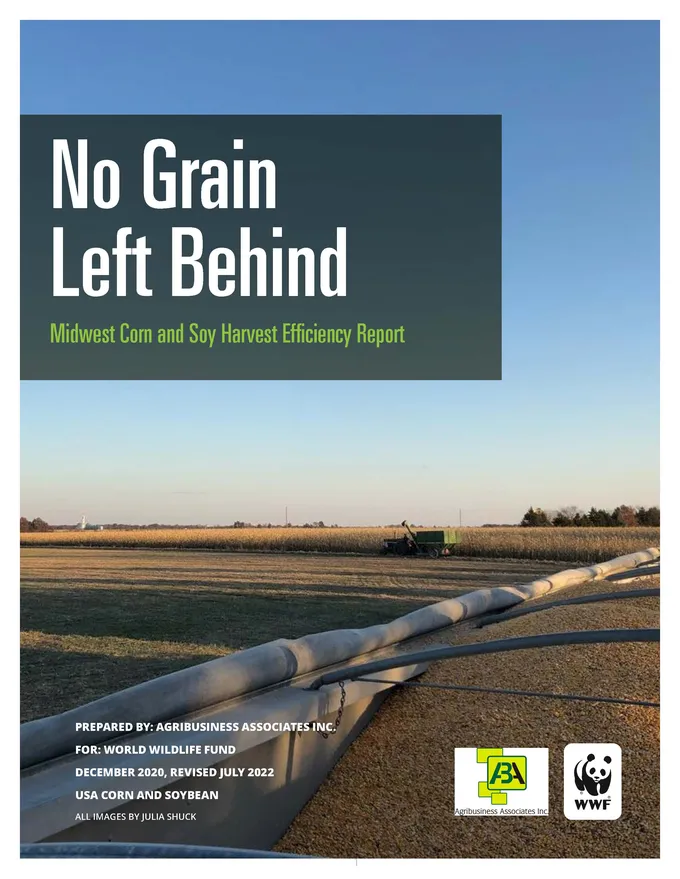
-
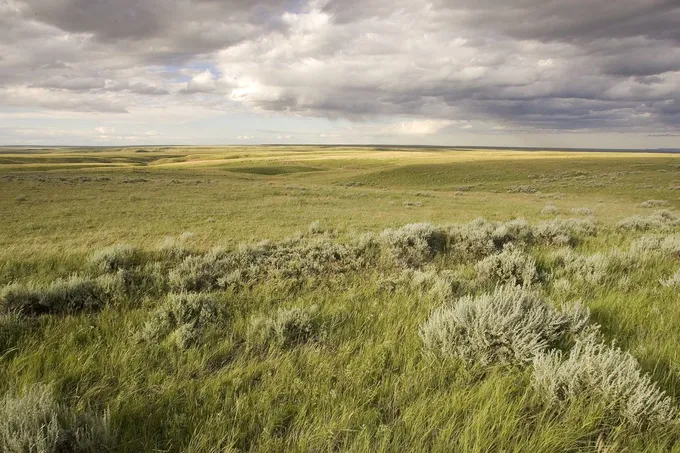
In its seventh year, WWF‚'s Plowprint Report analyzes the rate of grasslands plow-up across the US, Canadian, and Mexican portions of the Great Plains. This analysis is based on the USDA‚'s annual Cropland Data Layer, the Agriculture and Agri-Food Canada‚'s Annual Crop Inventory, and Sentinel-2 satellite data classified using Google Earth‚'s Engine for Mexico from two years prior to the release date. As a result, the 2022 edition analyzes and reports on plow-up and conversion that occurred during 2020.