Publications
-
Plastic waste pollutes every corner of the ocean, threatens aquatic wildlife, and even ends up in the seafood we eat. And despite growing awareness, the problem continues to get worse. One of the most damaging types of marine plastic pollution is abandoned, lost, or discarded fishing gear‚ – commonly called "ghost gear." This WWF report, Stop Ghost Gear: The most deadly form of marine plastic debris shines a spotlight on the problem and offers solutions for what we can do about it.
-
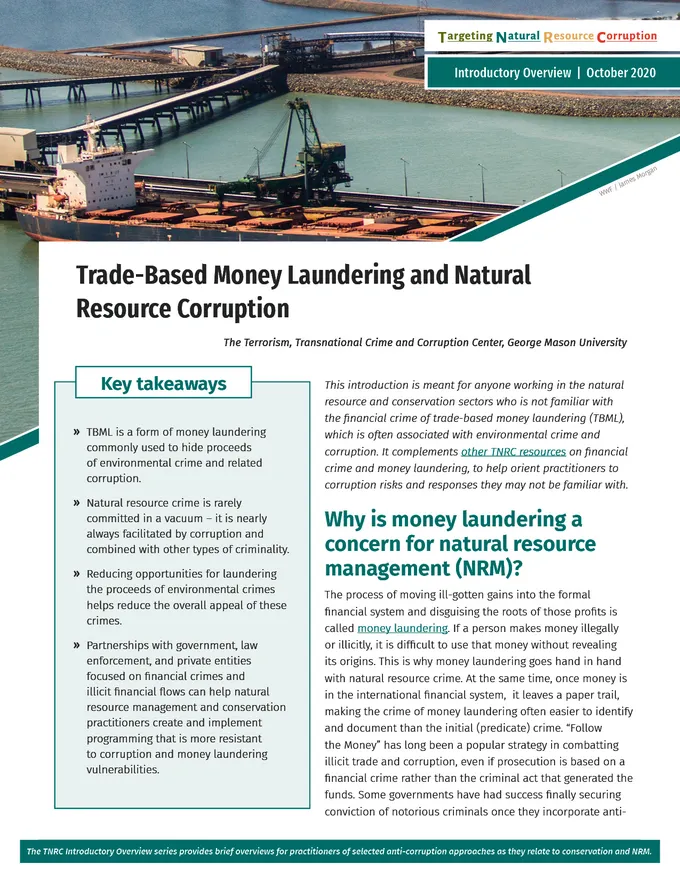
TBML is a form of money laundering commonly used to hide proceeds of environmental crime and related corruption. Natural resource crime is rarely committed in a vacuum — it is nearly always facilitated by corruption and combined with other types of criminality. Reducing opportunities for laundering the proceeds of environmental crimes helps reduce the overall appeal of these crimes.
Read more from the Targeting Natural Resource Corruption project.
---
This content is made possible by the generous support of the American people through the United States Agency for International Development (USAID). The contents are the responsibility of World Wildlife Fund (WWF) and do not necessarily reflect the views of USAID, the United States Government, or individual TNRC consortium members.
-
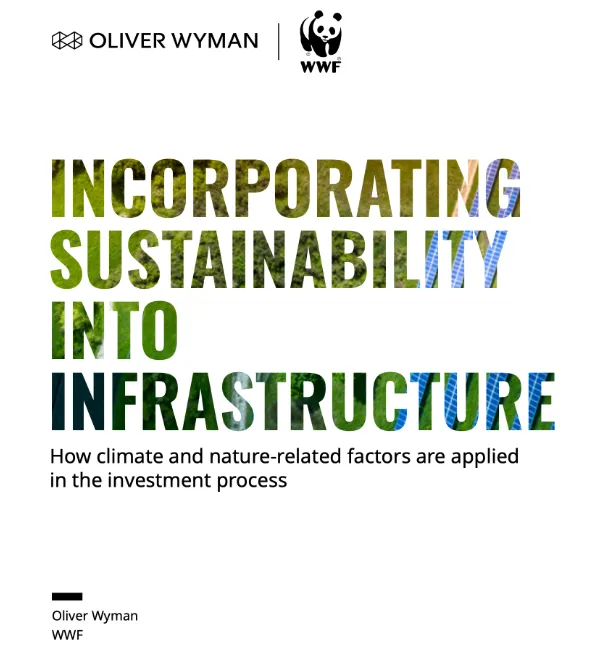
WWF and Oliver Wyman today released a new report, Incorporating Sustainability into Infrastructure which examines how environmental, social, and governance (ESG) factors are being applied in the infrastructure investment process.
A broader societal focus on sustainability has encouraged more ESG investments and the report identifies what investors are doing to better integrate ESG factors into their decision-making: Specifically, investors want to:
Acquire better quality ESG data – Investors seek to work closely with portfolio companies and include additional climate- and nature-related ESG measurement requirements as part of the due diligence process.
Enhance the number of climate- and nature-related ESG factors to be integrated – In addition to accessing better data quality when considering a single ESG factor, investors are also seeking better ways to incorporate less prevalent ESG factors, such as air pollution and biodiversity.
Increase the range of infrastructure sectors for ESG factor integration – Investors are looking to identify key asset classes in which to focus ESG factors in infrastructure investment decision-making.
"Infrastructure investments are long-term investments with impacts over multiple decades – meaning that we need to start integrating sustainability now to tackle global challenges such as climate change and nature loss. We found that whilst climate factors are being integrated, investors are at an early stage of integrating risks related to nature and biodiversity in infrastructure investment," said Dr. Helena Wright, Vice President, WWF Singapore.
"Investors have told us they are increasingly looking to expand from financing green infrastructure, to also selectively investing in cases where legacy infrastructure businesses and assets have developed a robust and clearly articulated plan to transform and become green," said Nicholas Tonkes of Oliver Wyman.
The report includes case studies from the European Investment Bank (EIB), Allianz Global Investors, and others on how they are integrating ESG factors into their investment process. For example, some companies have dedicated sustainability managers while others have specific goals and performance indicators linked back to ESG factors.
Methodology
To examine the current practices of infrastructure investors related to the integration of ESG factors into investment decision-making, a survey was undertaken that involved more than 30 global infrastructure investors, just over half with over US$ 10 billion in assets under management. In addition, interviews were conducted with numerous investors and institutions to gather further supporting insights. Finally, an in-depth review of existing literature was also performed, to validate and supplement the primary research.
-
Bending the Curve: The Restorative Power of Planet-Based Diets explores how a global shift toward Planet-Based diets, high in human-health benefits and low in environmental impacts, can restore nature and improve health.
-
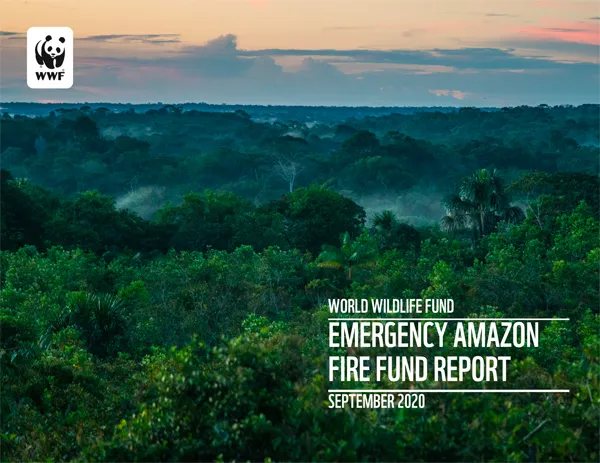
Fires in the Amazon are a seasonal occurrence, but last year‚'s fires captured the world‚'s attention. At the peak in August 2019, there were 30,901 fires ‚Äì three times the number compared with August of the previous year.
Thanks to your generous donations, we raised almost $2 million in the US for fire response and recovery. This is our second report summarizing the impact of your support, including stories from the field, and what‚'s next for WWF in the Amazon.
-
Legal harvest or trade in wildlife, fisheries and forest products typically involves obtaining access rights and permits. Corruption in these processes undermines regulations that promote sustainability and legality and address disease risk. Revenue is lost which should have been invested in public services and conservation.
Strategies to address abuse of these processes include a range of regulatory and administrative reforms, but implementation is not a simple matter of increasing employee pay or cutting bureaucratic red tape. Recognizing and mapping the political, economic and social power dynamics that shape regulations and enforcement may indicate larger problems in the enabling environment that should inform strategies for addressing corruption risks in wildlife harvest and trade.
---
This content is made possible by the generous support of the American people through the United States Agency for International Development (USAID). The contents are the responsibility of World Wildlife Fund (WWF) and do not necessarily reflect the views of USAID, the United States Government, or individual TNRC consortium members.
-
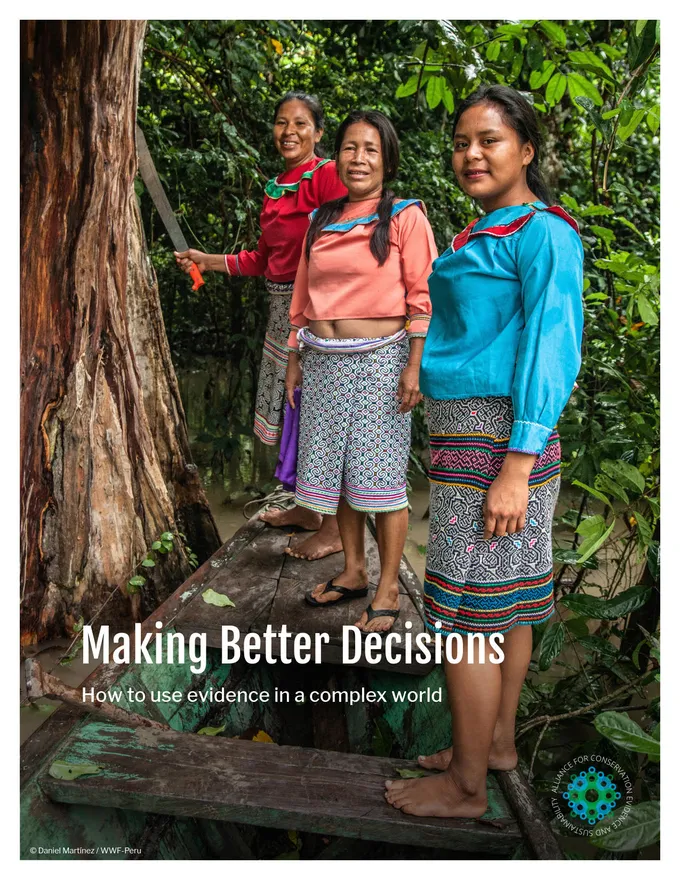
This report distills research and experience on how different sectors currently define and use evidence in organizational decision-making. It explores topics such as what counts as evidence, how we make decisions (consciously or unconsciously), factors that can enable or hinder the use of evidence in decision-making, and the role of scientists and practitioners in fostering evidence-informed decision-making. The two associated knowledge briefs on overcoming biases and storytelling distill key insights from the report and offer practical tips and resources for conservation scientists and practitioners looking to better use evidence in conservation decision-making.
-
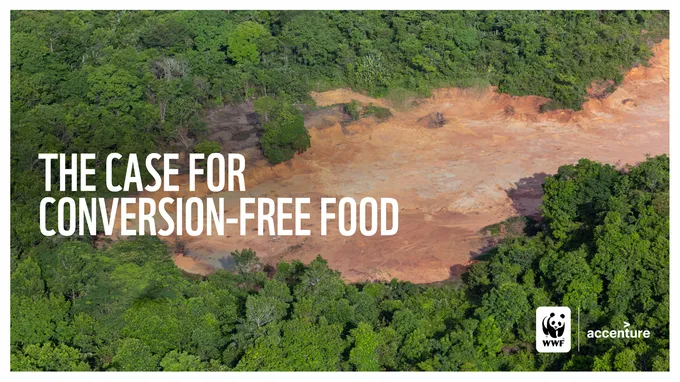
Today, global food production is the single biggest threat to our natural world. It accounts for 70% of biodiversity loss, 73% of deforestation, 38% of land use and 70% of water use per annum. Clearly, the way we produce and consume food is putting an impossible strain on the planet. With the world‚'s population set to grow from 7 billion today to more than 9 billion by 2050, it is imperative that food production systems change dramatically‚ – and fast. To protect the resource base for future generations, we need to collectively stop natural ecosystem conversion for food production and produce more food using less land, water, and energy.
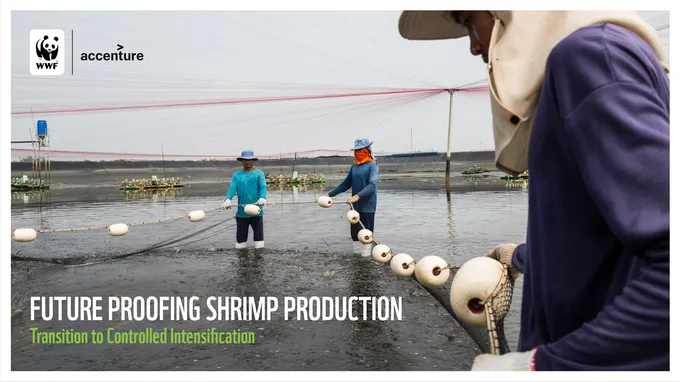
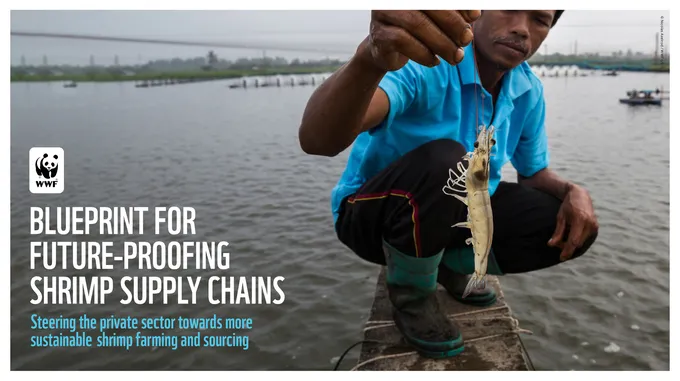
The scale and methods of shrimp aquaculture must be transformed in recognition of our current and future global challenges. Achieving this transformation to produce more shrimp with fewer resources is imperative. Controlled intensification is one pathway towards this end.
-
Farmed shrimp is an industry poised for transformation. Globally, shrimp is the most valuable traded seafood by volume, representing $32 billion in annual trade. Through controlled intensification, farmed shrimp has the potential to sustainably support the growing global demand for animal protein by using resources more efficiently, maximizing yields and reducing inputs.
Even though farmed shrimp has been characterized as one of the most environmentally and socially destructive commodities, major industry actors have recently made progress working collaboratively to address sector-wide issues. The challenges and opportunities in farmed shrimp are emblematic of many food commodities. Thus, transforming shrimp supply chains offers an opportunity for businesses to apply learnings‚ – in principle and practice‚ – to other commodities.
-
Today, global food production comes at a massive cost to both people and planet. We depend on natural ecosystems to produce, provide, and adapt for our health and nutrition as well as to spur economic growth.
There are more than 570 million farmers worldwide cultivating about half of Earth‚'s habitable land to feed more than 7 billion people‚ – and counting. However, only a few hundred companies control the world‚'s food production, trade, and consumption.
Year after year, global food production carves away at the remaining natural ecosystems and habitat on the planet and stresses the food system‚'s ability to withstand shocks‚ – all while greenhouse gas emissions rise, water becomes scarcer, species fade into extinction, and people continue to live at the margins In particular, commodity markets pose unique challenges as smallholder farmers bear all the risk of production and reap little benefit. Commodity-dependence often negatively impacts a farmer‚'s economic advancement and the country‚'s economic development. Both individual and national growth is minimal compared to the dramatic environmental expense.