Publications
-
A July 2019 Board resolution committed us to strengthen our social and environmental safeguards framework, which was designed to increase the role of communities in all of our field-based projects; better identify, manage, and escalate risks; and enhance due diligence. This strengthened safeguards framework was modeled after similar frameworks used by the World Bank and the US Millennium Challenge Corporation, and includes learnings from six years of applying such safeguards to our Global Environment Facility and Green Climate Fund projects. The resolution is as follows.
-
WWF and Royal Caribbean Cruises Ltd. have been working since 2016 to help ensure the long-term health of the oceans by improving Royal Caribbean‚'s operations and supply chains and engaging guests to become champions for the oceans. Learn more about the strides we are making in achieving targets around emissions reductions, sustainable sourcing, and responsible tourism and how guests are participating in our mission.
-
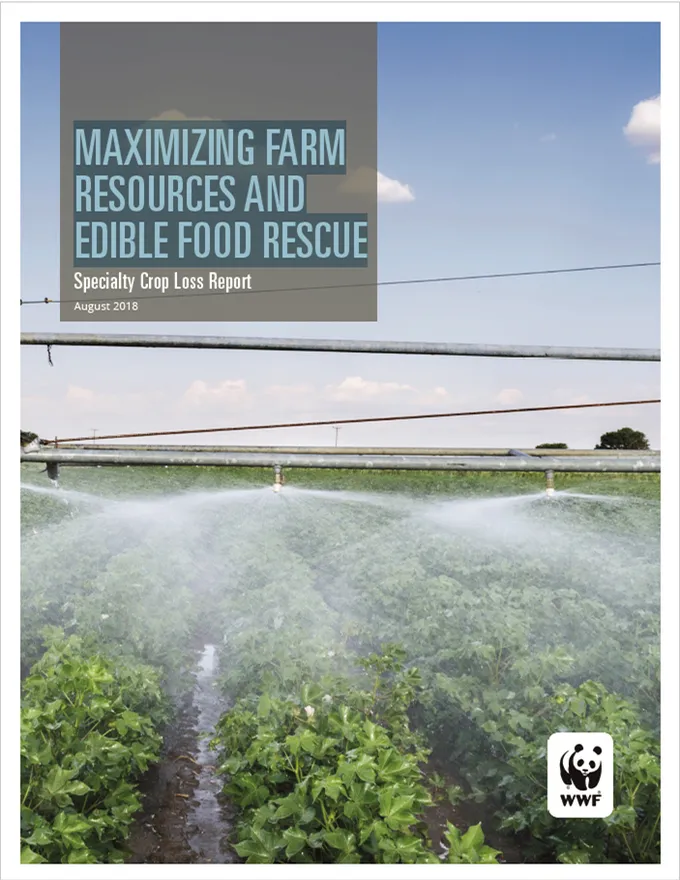
The second report in the No Food Left Behind series looks at crops grown for the processing market‚ – frozen, canned, and pickled‚ – and the drivers for waste in this market. The report compares losses in the processing crop market to those in the fresh market, detailed in the first report.
The report examines five processing crops to see where and how loss occurs: sweet corn, blueberries, green beans, cucumbers, and green peas. Most loss in the processing market happens during processing, as opposed to the fresh market where most loss happens in-field. While more research is needed, initial estimates point to less waste in processing crops overall due to the higher quality standards of the fresh market, mechanical harvesting of processing crops, and vertical integration in the processed market‚ – contracts ensuring that almost all harvested product is sold.
-
-
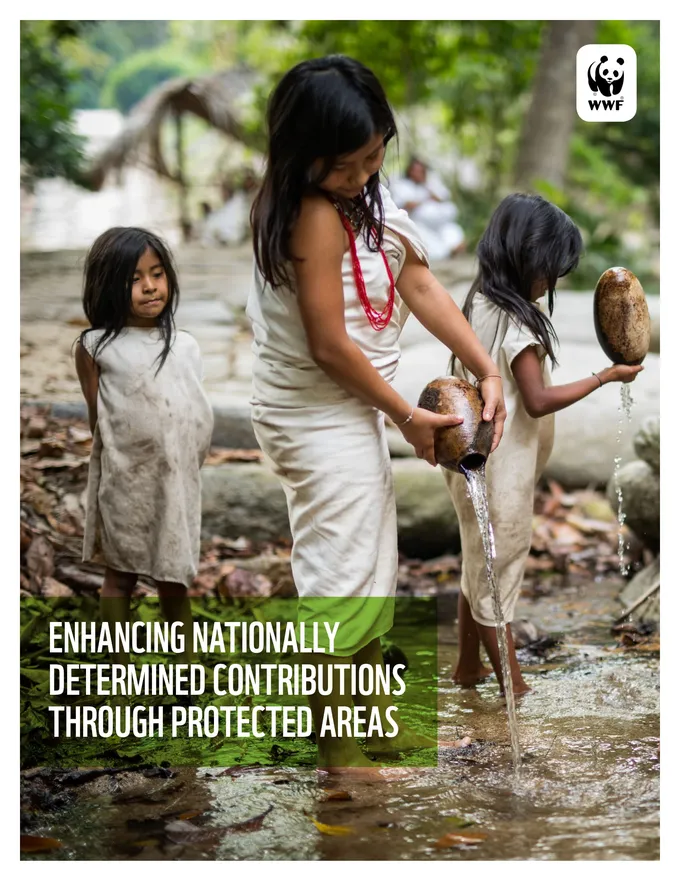
Nationally Determined Commitments (NDCs) to the United Nations Framework Convention on Climate Change (UNFCCC) 2015 Paris Agreement underscore the role protected areas and other conserved areas play in reaching global mitigation and adaptation targets. With financial support from the German Federal Ministry for the Environment, Nature Conservation and Nuclear Safety (BMU), WWF US reviewed 151 currently available NDCs to determine how Parties intend to utilize protected areas to contribute to their adaptation and mitigation commitments.
-
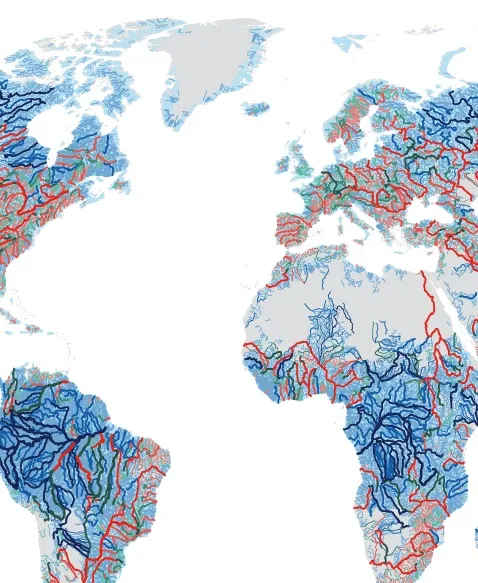
With representatives from conservation and academic institutions from around the world, WWF and McGill University have led an effort to establish a common definition of a free-flowing river and develop a universal methodology for measuring river connectivity and identifying free-flowing rivers. This study is a global inventory that identifies rivers that remain free-flowing is in progress. The methodology for identifying free-flowing rivers globally can also be downscaled to support local needs.
Ultimately, this work is intended to inform further research and planning, and inspire the information, tools, and guidance needed to make more sustainable choices about infrastructure that impacts freshwater ecosystems.
Note: this file is large and may take longer than usual to load, especially on slower connections. It also is best downloaded and viewed in a PDF-viewing program (like Adobe Acrobat, Preview, etc.) rather than in your browser.
-
Japan is a country with one of the world‚'s largest ivory markets and flourishing domestic trade. Although Japan has taken some steps in amending its legal framework around the ivory trade, the domestic markets still remain open and are thus contributing to the illegal domestic ivory trade. This report analyzes best practices related to the commercial ivory trade in six international jurisdictions to ultimately provide a guide for how Japan can improve its legal and regulatory measures on this issue.
-
-
A brochure highlighting the ‘push and pull’ incentives to sustainably manage highly migratory fisheries, as identified in the full Global Tuna Think Tank report
-
A fact sheet explaining the issue of overcapacity in fishing fleets that target the Eastern Pacific tuna fisheries, along with steps for getting to optimal fleet size in the shortest timeframe.