Publications
-
Rain forests to Reefs: A Legacy Journey through Belize with Nadia Bood, WWF-Belize Reef Scientist and Climate Change Officer
-
-
-
-
-
-
-
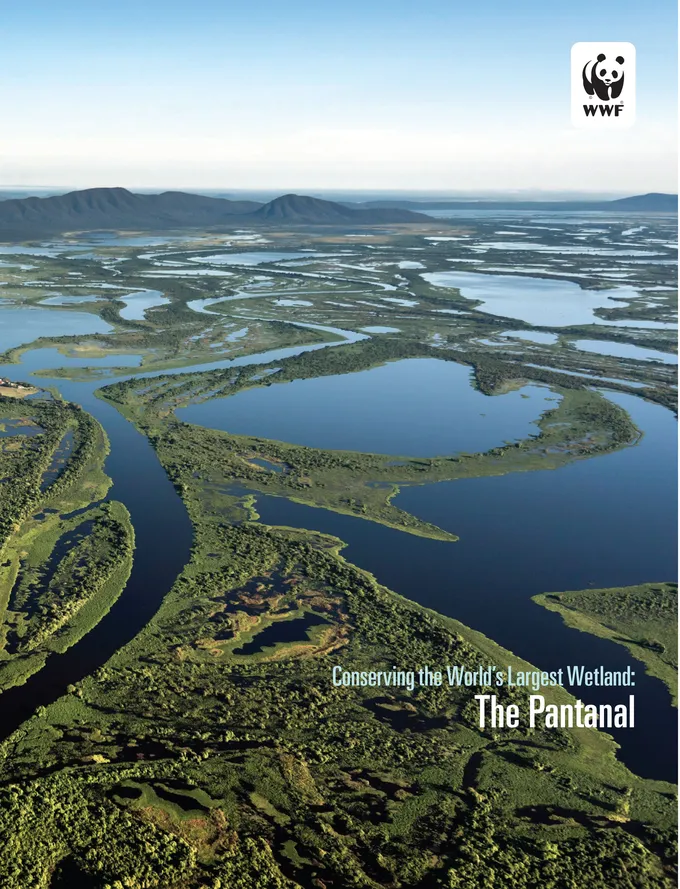
The Pantanal and its vital ecological systems are healthy and thriving, benefiting nature and humans through sustainable development. We see the Pantanal becoming and remaining a healthy, functioning freshwater ecosystem. We also envision a vast wetlands region that provides ecosystem services and promotes sustainable economic activities to improve community well-being and increase capacity for climate change adaptation.
Our vision includes an end to degrading land uses and native vegetation conversion, and the introduction of sustainable, minimally disruptive infrastructure practices related to roads, railways, dams, ports, and waterways. We foster a strengthened system of protected areas—parks, Ramsar sites, biosphere reserves, and wildlife corridors—along with greater capacity to manage the Pantanal’s natural resources through sustainable conservation, financing, and governance practices.
-
The first No Food Left Behind conference was held on March 2nd, 2018 at Santa Clara University (SCU) in Santa Clara, California. The conference was convened by Santa Clara University‚'s Food and Agribusiness Institute and WWF. The objective of the conference was to present new research findings on post-harvest food utilization to a broad set of interested stakeholders and start a conversation about how to create a produce supply chain in the US that fully utilizes all edible and recoverable grown produce, maximizing the energy, water, and wildlife habitat that was sacrificed during its production.
The primary goal of the conference was to facilitate a dialogue amongst produce supply chain actors, food rescue organizations, growers, technology industry representatives, and nonprofit actors, and build consensus around the vision for an ideal future and the pathways or activities needed to get us there. Although it represents a significant economic and environmental issue, farm-level food loss and under-utilization of specialty and commodity crop production in the US is not well understood and largely unmeasured. Given the data gap and lack of information, measuring and understanding farm-level losses is a step towards corrective actions to recover and fully utilize this edible food.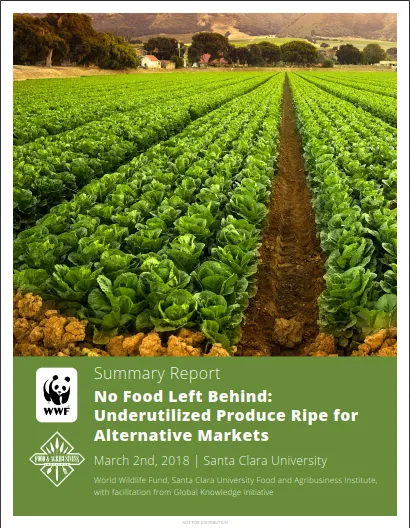
-
Russia’s vast forest resources and long history of scientific forest management give it a natural role as a major player in global timber markets. Unfortunately, heightened levels of risk are associated with wood products from the Russian Far East, particularly CITES-listed Mongolian oak (white oak). However, it is possible to source white oak from Russia responsibly. This document is the result of a collaboration between industry and WWF offices in the US, Russia and China, and outlines best practices for sourcing white oak from the Russian Far East.