Publications
-
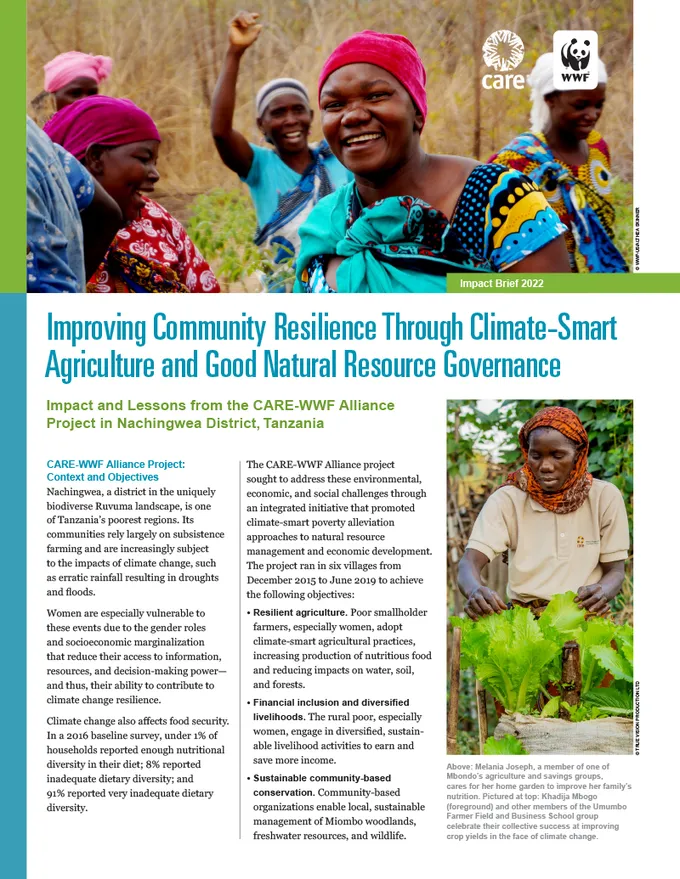
As the planet's vital signs continue to suffer under deepening global challenges, a number of scientists, Indigenous organizations, and national governments have called for increased area-based conservation around the world.
In December 2022, more than 190 countries under the United Nations Convention on Biological Diversity (CBD) adopted an agreement to reverse nature loss by the year 2030, including a target to conserve at least 30 percent of land, freshwater, and oceans globally (commonly called "30x30").
WWF supports the inclusion of this target in CBD's post-2020 global biodiversity framework (GBF) only if certain conditions are met. For example, such a target must ensure social equity, good governance, and an inclusive approach that secures the rights of Indigenous peoples and local communities to their land, freshwater, and seas. The pursuit of 30x30 must also embrace a diversity of conservation measures beyond protected areas, recognizing effective and equitable management of nature by actors outside governments.
This document summarizes WWF's position on Target 3 and addresses some pressing questions around this target.
-
A summary of WWF's integrated approach to our oceans, which combines place-based seascape conservation work with global-scale markets and blue finance initiatives. We also focus on oceans futures, where we incubate, develop, and launch innovative programs at the intersection of climate change, ocean health, and peace and security.
-
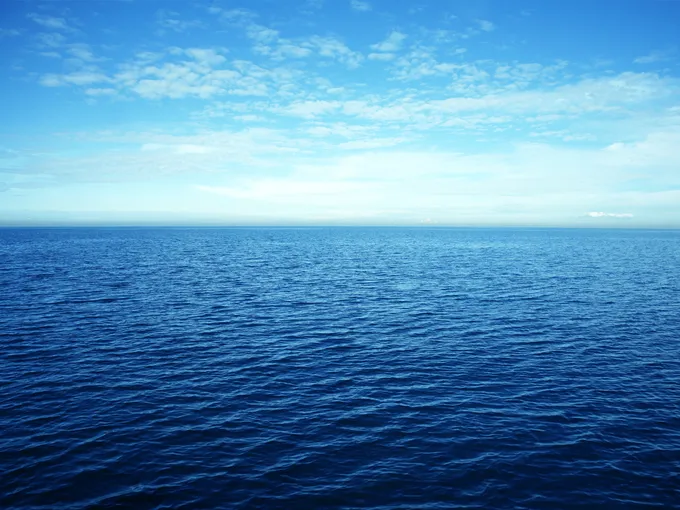
The Moratorium Protection Act of 1995 is one of the most important authorities the United States government has to stop illegal, unreported, and unregulated (IUU) seafood products from entering US markets but it could be used to achieve far more effective results. As the largest single-country seafood market in the world, the US has significant leverage to advance efforts to combat IUU fishing worldwide through the sanctions it can impose.
An important first step to more effectively combat IUU fishing globally would be to expand the US definition of IUU fishing to be more comprehensive, as well as to include fishing that has been conducted by forced labor. WWF conducted research on the impact such changes would have by evaluating many public databases to identify additional violations. Based on this research, if the US were to expand its definition of IUU fishing and broaden its information collection, an additional 600 reported violations from 70 flag states would have been identified in the 2019 Report to Congress‚ – compared to the three identified in the report.
-
This TNRC Brief examines the key design features of CBC, focusing on the impact of corruption in the establishment and operation of CBC projects, to draw out lessons for conservation and NRM practitioners. Achieving the promise of CBC requires mitigating power imbalances, securing land tenure, and equitably sharing revenue. When these features are lacking, corruption risks and impact on CBC projects grows. That corruption may take two broad forms: (i) political and administrative corruption involving the commission of corrupt practices or omission of duties by public officials, and (ii) elite capture, bribery, and collusion in the collection and investment of CBC project revenues.
Visit the TNRC Knowledge Hub for more resources.---
This content is made possible by the generous support of the American people through the United States Agency for International Development (USAID). The contents are the responsibility of World Wildlife Fund (WWF) and do not necessarily reflect the views of USAID, the United States Government, or individual TNRC consortium members.
-
Sustainable livelihood projects can be vulnerable to corruption risks that may contribute to further social and environmental damage. This guide has been developed for programming designers and implementers aiming to reduce corruption's impact on community-based conservation initiatives. It contains three modules exploring the corruption opportunities, power, and justifications that might manifest in three typical sustainable livelihood interventions. Each module identifies corruption risks in that activity type and anti-corruption responses that have been tried or can be considered to address those risks.
Visit the TNRC Knowledge Hub for more resources.
---
This content is made possible by the generous support of the American people through the United States Agency for International Development (USAID). The contents are the responsibility of World Wildlife Fund (WWF) and do not necessarily reflect the views of USAID, the United States Government, or individual TNRC consortium members.
-
WWF is fighting for a world with No Plastic In Nature by 2030. We need all stakeholders to think differently, to innovate, and to provide solutions that not only make us better stewards of the resources we are taking from the planet but also make sure we keep them in the system so they can be used again and again.
Industry has an important role in addressing plastic waste pollution as it both impacts, and is impacted by, this environmental crisis in dynamic ways. This paper outlines the opportunities for finance sector engagement on this issue.
-
WWF is fighting for a world with No Plastic In Nature by 2030. We need all stakeholders to think differently, to innovate, and to provide solutions that not only make us better stewards of the resources we are taking from the planet but also make sure we keep them in the system so they can be used again and again.
Industry has an important role in addressing plastic waste pollution as it both impacts, and is impacted by, this environmental crisis in dynamic ways. This paper outlines the opportunities for retail sector engagement on this issue.
-
WWF is fighting for a world with No Plastic In Nature by 2030. We need all stakeholders to think differently, to innovate, and to provide solutions that not only make us better stewards of the resources we are taking from the planet but also make sure we keep them in the system so they can be used again and again.
Industry has an important role in addressing plastic waste pollution as it both impacts, and is impacted by, this environmental crisis in dynamic ways. This paper outlines the opportunities for seafood sector engagement on this issue.
-
WWF is fighting for a world with No Plastic In Nature by 2030. We need all stakeholders to think differently, to innovate, and to provide solutions that not only make us better stewards of the resources we are taking from the planet but also make sure we keep them in the system so they can be used again and again.
Industry has an important role in addressing plastic waste pollution as it both impacts, and is impacted by, this environmental crisis in dynamic ways. This paper outlines the opportunities for tourism sector engagement on this issue.
-
Impact and Lessons from the CARE-WWF Alliance Project in Nachingwea District, Tanzania
Nachingwea, a district in the uniquely biodiverse Ruvuma landscape, is one of Tanzania‚'s poorest regions. Its communities rely largely on subsistence farming and are increasingly subject to the impacts of climate change, such as erratic rainfall resulting in droughts and floods.
Women are especially vulnerable to these events due to the gender roles and socioeconomic marginalization that reduce their access to information, resources, and decision-making power‚ – and thus, their ability to contribute to climate change resilience.
This brief presents key impacts and lessons drawn from various monitoring, evaluation, and learning methods implemented through the project. After a mixed-methods baseline quantitative household survey of 30 clusters randomly selected from 126 villages, including all six project villages, an independent endline survey evaluated households from three project villages regarding changes in natural resource management agricultural practices, and their well-being, among other things.