Publications
-
-
-
-
-
-
-
-
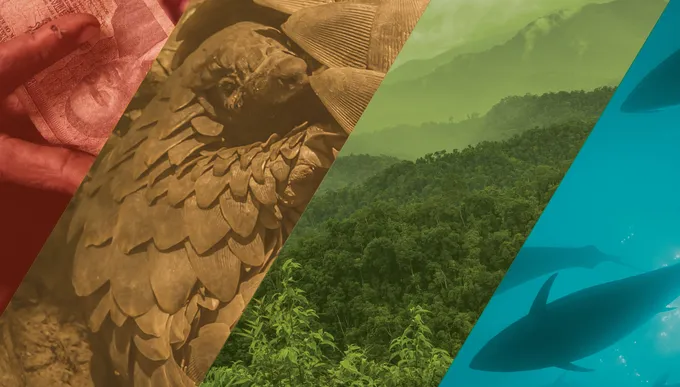
This paper presents three case studies that portray how Free Trade Zones (FTZ) and Special Economic Zones (SEZ) characteristics contribute both to Illegal wildlife trade and corruption, while also demonstrating that wildlife trafficking is merely an expression of the multiple illicit economies that can take place in FTZs/SEZs in the absence of adequate controls. These cases also demonstrate that the corrupt practices within these areas do not necessarily differ from other forms of corruption happening elsewhere in the country, region, or trade chain. Rather, what makes FTZs/SEZs particularly interesting for illicit trade is the additional layer of opaqueness and complexity that they pose for local authorities.
Visit the TNRC Knowledge Hub for more resources.
---
This content is made possible by the generous support of the American people through the United States Agency for International Development (USAID). The contents are the responsibility of World Wildlife Fund (WWF) and do not necessarily reflect the views of USAID, the United States Government, or individual TNRC consortium members.
-
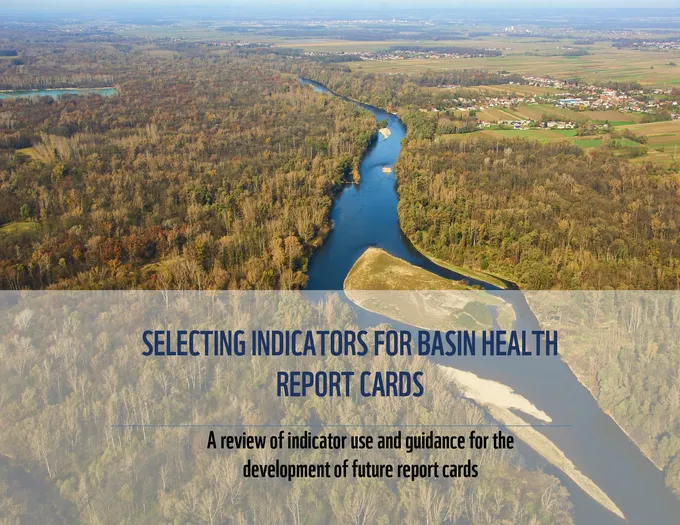
This guide is intended for those working to assess and manage resources, especially those interested in developing river basin health report cards. It reflects on the indicators that have historically been used for basin report cards and presents new ways to think of indicators, as the interface between nature and people becomes more and more intertwined. It is a supplementary guide to the Practitioner‚'s Guide to Developing River Basin Report Cards.
-
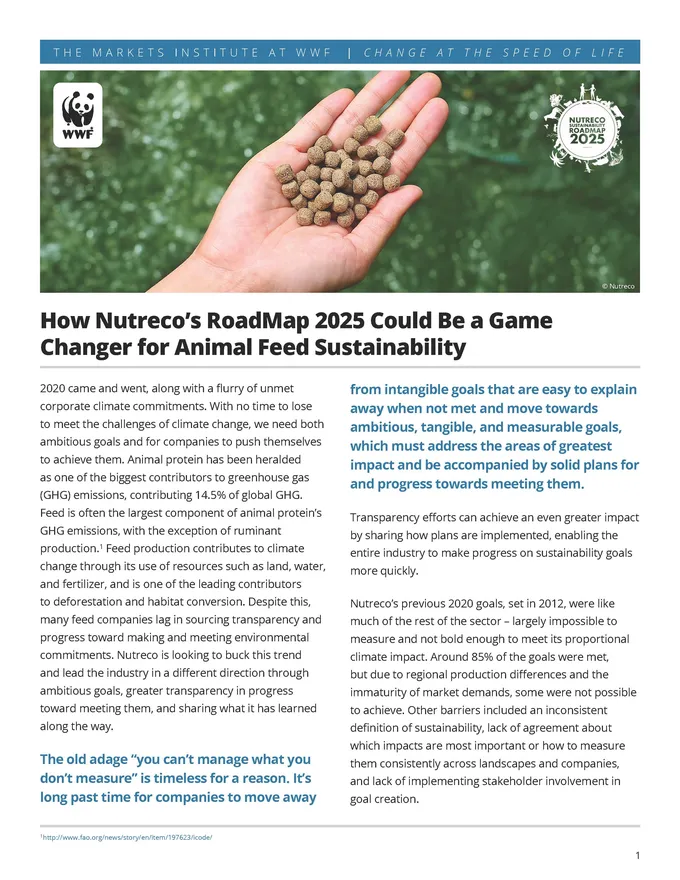
Livestock feed production is one of the leading contributors to greenhouse gas (GHG) emissions in the food sector, mainly due to deforestation and land conversion, whereby habitats are turned into farmland or rangeland. Nutreco, a leading manufacturer of both aquaculture and livestock feed, is taking innovative action to reduce its environmental impact by 2025. Its RoadMap 2025 outlines the company‚'s ambitious set of goals that address health and welfare, climate and circularity, and good citizenship. WWF's business brief examines Nutreco's plan and see what lessons could be applicable to the entire feed industry.