Publications
-
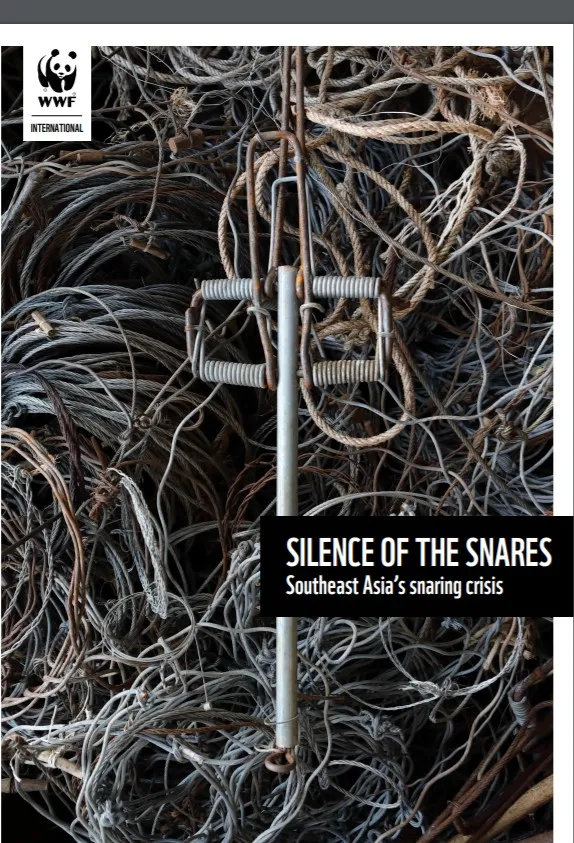
Snares are contributing to a wildlife extinction crisis, while also impacting ecosystems that support human well-being across Southeast Asia. Usually made from wire cable, nylon, or rope, snares are rudimentary traps used to supply the demand for wildlife meat and products. They also increasingly supply an urban demand for wildlife, which is often consumed as a delicacy. Overall, snares impact more than 700 mammal species in the region, including rare and charismatic animals such as the Asian elephant, Sumatran rhinoceros, saola, and banteng. They are also now the greatest threat to the long-term presence of tigers in Southeast Asia.
This report details the scale of the snaring crisis, and its impacts on people, nature, and wildlife, and lays out a set of recommendations, which if taken holistically, could help halt and reverse this crisis.
-
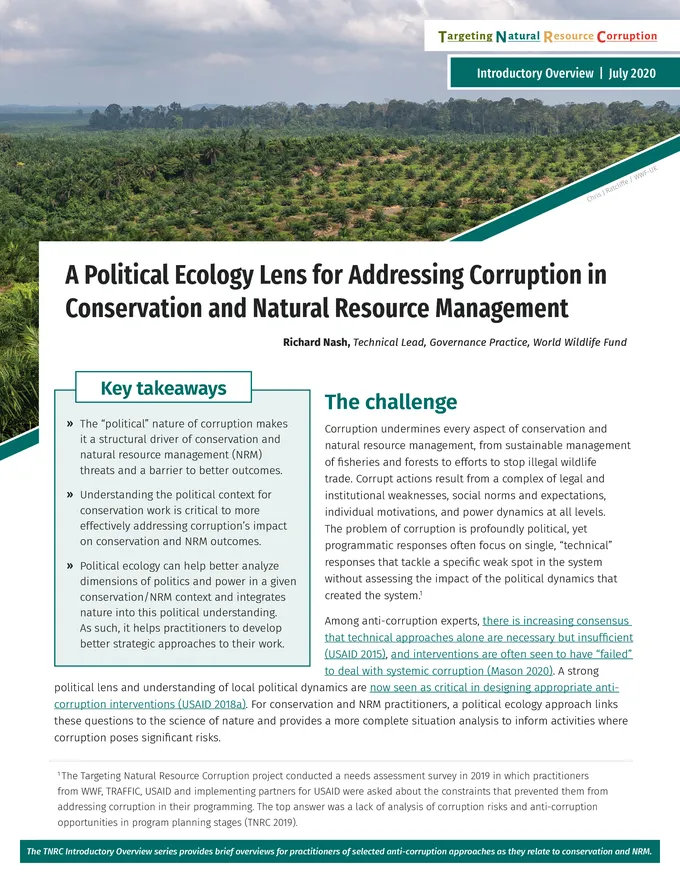
Corruption undermines every aspect of conservation and natural resource management, from sustainable management of fisheries and forests to efforts to stop illegal wildlife trade. Corrupt actions result from a complex of legal and institutional weaknesses, social norms and expectations, individual motivations, and power dynamics at all levels. The problem of corruption is profoundly political, yet programmatic responses often focus on single, "technical" responses that tackle a specific weak spot in the system without assessing the impact of the political dynamics that created the system. For conservation and NRM practitioners, a political ecology approach links these questions to the science of nature and provides a more complete situation analysis to inform activities where corruption poses significant risks.
---
This content is made possible by the generous support of the American people through the United States Agency for International Development (USAID). The contents are the responsibility of World Wildlife Fund (WWF) and do not necessarily reflect the views of USAID, the United States Government, or individual TNRC consortium members.
-
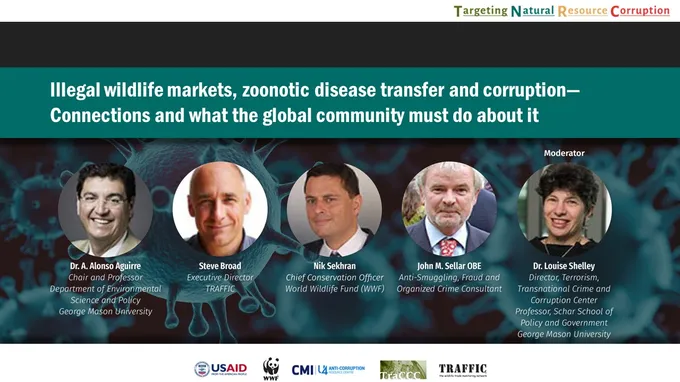
In the midst of the COVID-19 pandemic, there is greater international willingness to address illegal wildlife markets, especially those involving live animals. But to respond to this and future pandemics effectively, systems thinking, and a greater understanding of drivers and inter-sectoral approaches will be vital. This post captures insights on the connections between illegal wildlife markets, zoonotic disease transfer and corruption contributed by experts in the fields of wildlife ecology, public health, environment, development, transnational crime and wildlife trade at a TNRC virtual panel on 23 June 2020. Experts presented learning and approaches that global practitioners should consider to protect natural resources, public health and support good governance.
---
This content is made possible by the generous support of the American people through the United States Agency for International Development (USAID). The contents are the responsibility of World Wildlife Fund (WWF) and do not necessarily reflect the views of USAID, the United States Government, or individual TNRC consortium members.
-
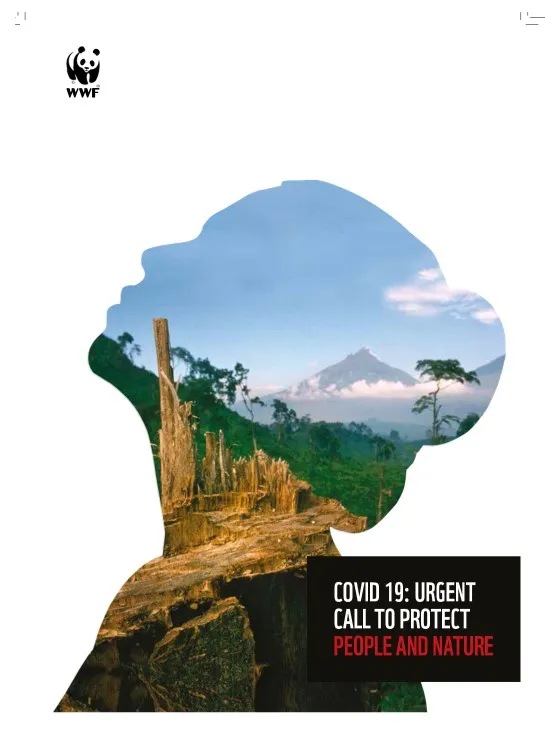
Humanity's broken relationship with nature comes with a cost. That cost has revealed itself in terrible ways. Loss of lives, loss of jobs, and a shock to our global economy. This pandemic joins a long list of emerging diseases that will continue to undermine global stability unless we fix our relationship with nature. Together we can ensure the response to this global emergency makes our planet and our communities stronger.
-
The catastrophic Australian bushfires have greatly exacerbated the species extinction crisis that the country is already facing. This is why WWF-Australia called for immediate global support to establish the Australian Wildllife and Nature Recover Fund.
-
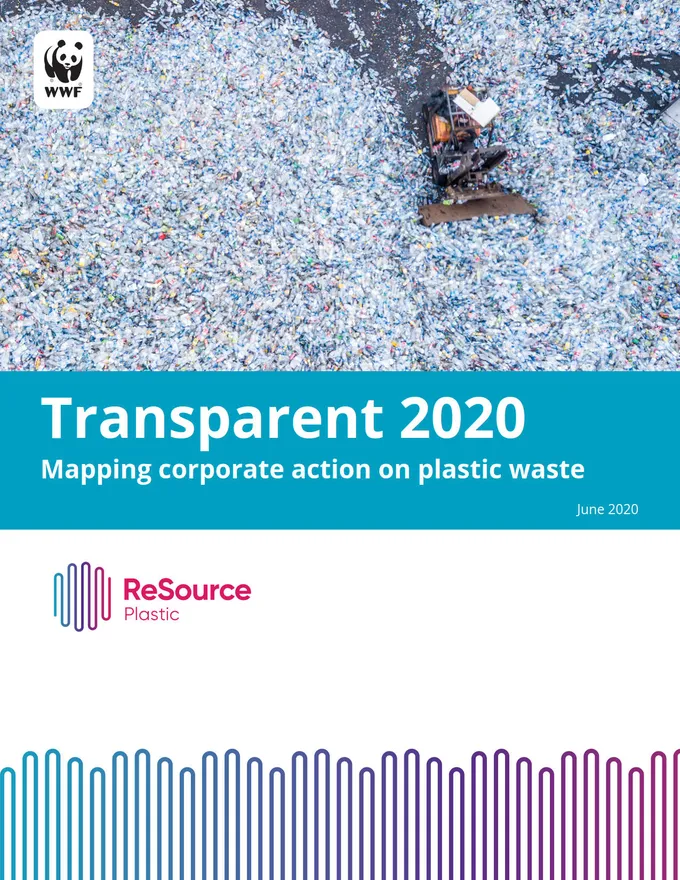
WWF has established a vision of No Plastic in Nature by 2030 and imagines a world where our resources are never wasted. ReSource: Plastic leverages the power of business to achieve this vision. In its inaugural year, ReSource: Plastic worked with five Principal Members (Keurig Dr Pepper, McDonald's Corporation, Procter & Gamble, Starbucks, and The Coca-Cola Company) as well as Thought Partners (The Ellen MacArthur Foundation and Ocean Conservancy) to establish a baseline of plastic use. This report presents key findings related to the ReSource Principal Members' global plastic footprints in 2018.
-
WWF has established a response network to respond to Australia's bushfires. Mobilizing funds raised, we are working to address needs with urgency and at the scale required.
-
WWF has established a response network to respond to Australia's bushfires. Mobilizing funds raised, we are working to address needs with urgency and at the scale required.
-
Phase 1: Definition of criteria for assessing the quality of carbon credits
Companies should first work to meet their Science-Based Targets, but investing in carbon credits can be an effective complimentary climate strategy. World Wildlife Fund and our partners have authored a paper that contains our recommended criteria for assessing the quality of carbon credits. It is to be the basis for the "Carbon Credit Guidance for Buyers", an upcoming guide to help carbon credit buyers navigate the complicated landscape of the carbon market and identify high-quality carbon credits. This document may be used as a high-level starter for current and potential carbon credit buyers in advance of the full guide's release.
-
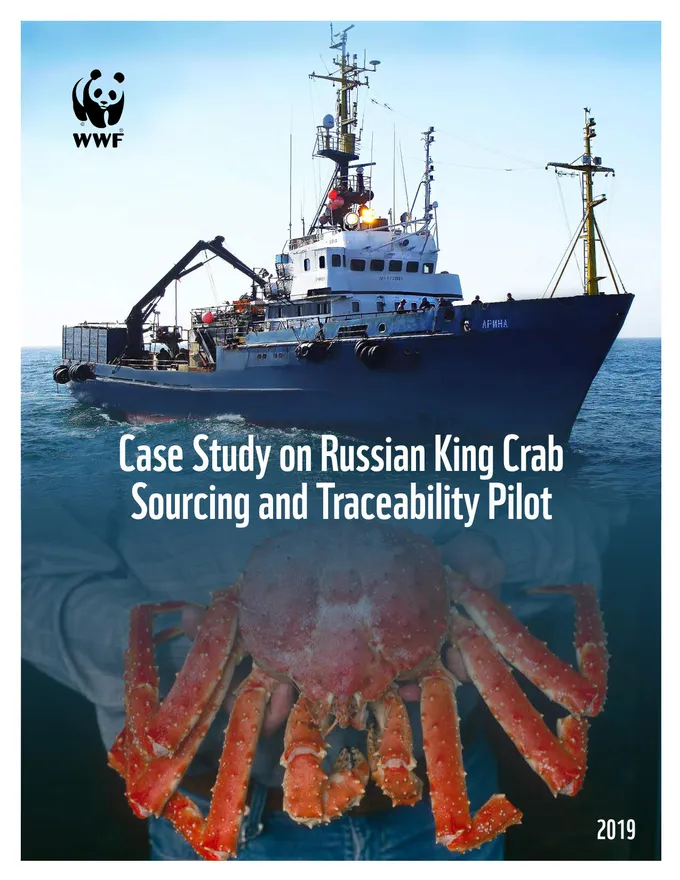
Ending illegal, unreported, and unregulated (IUU) fishing remains one of the most urgent priorities for achieving healthy ocean ecosystems and protecting the welfare of hundreds of millions of people around the world who depend on fishing for their livelihoods and food security. This case study, focused on the Russian King Crab fishery and brought forward through a collaboration between WWF and Orca Bay Foods, LLC, demonstrates that the application of some basic tools can substantially reduce the risk of "IUU infection" even in a relatively complex and multinational supply chain.