Publications
-
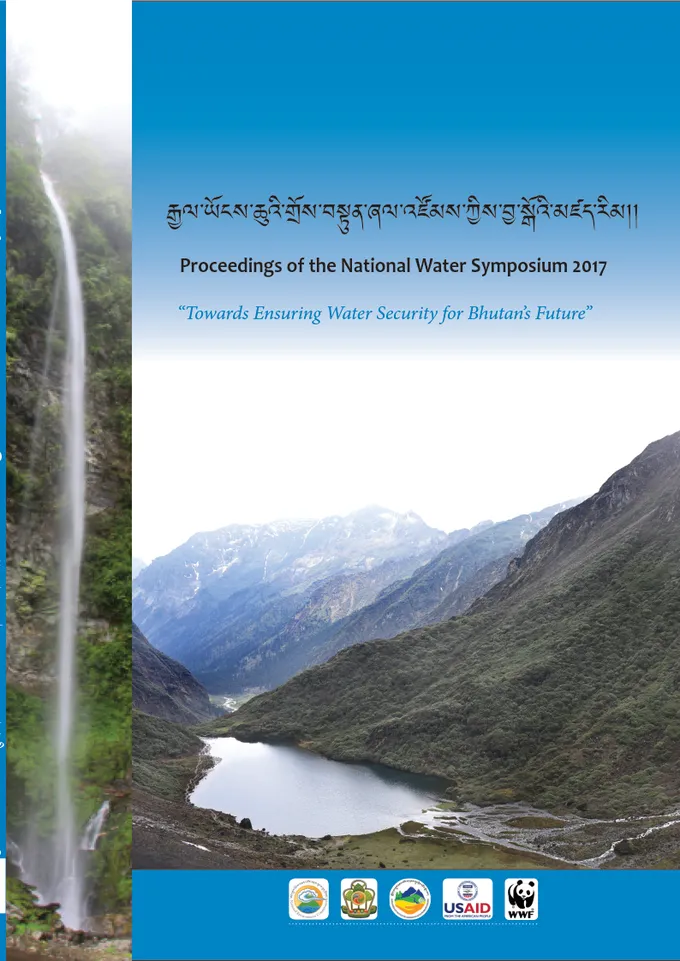
With support from the USAID-funded WWF Asia High Mountains Project, UWICER organized Bhutan’s second National Water Symposium in May 2017. This symposium brought together water resources professionals and agencies to take stock of current water resource knowledge in Bhutan and to identify priority areas for future research and cooperation on water resource management. This publication contains summaries of presentations given at the symposium. (43 page Symposium Proceedings)
-
The Government of Nepal’s climate-smart snow leopard landscape management plan for its Eastern Himalaya Global Snow Leopard and Ecosystem Protection (GSLEP) priority landscape. Produced with technical assistance from the USAID-funded WWF Asia High Mountains Project, this plan covers Nepal’s Himalayan region from Langtang National Park north of Kathmandu to the Kangchenjunga Conservation Area in the northeast corner of the country and includes both Sagarmatha and Makalu Barun National Parks. (78 page Conservation Management Plan)
-
There are few investments more powerful or permanent than education. At WWF, we see firsthand how education can improve and accelerate the ability of individuals, communities, and societies to plan and implement conservation action. Thanks to the continued commitment, EFN grants to 2,529 individuals and organizations around the world have helped thousands of people gain the education and skills necessary to take action for the planet.
-
This guide is designed for government or non-profit employees, development officials, river basin managers, private sector representatives, community organizers, academics, journalists, or any others interested in acting to secure the health and future of a freshwater resource. It provides an overview of river basin report cards and their utility, as well as guidance on how to create a report card and leverage the process and results to drive change.
-
-
The extent to which Belize‚'s economy depends on tourism generated by the threatened Belize Barrier Reef World Heritage site has been revealed for the first time today by a new report launched by WWF and partner organizations. The report, Natural Heritage, Natural Wealth, aims to highlight the incredible resource the country is at risk of losing.
-
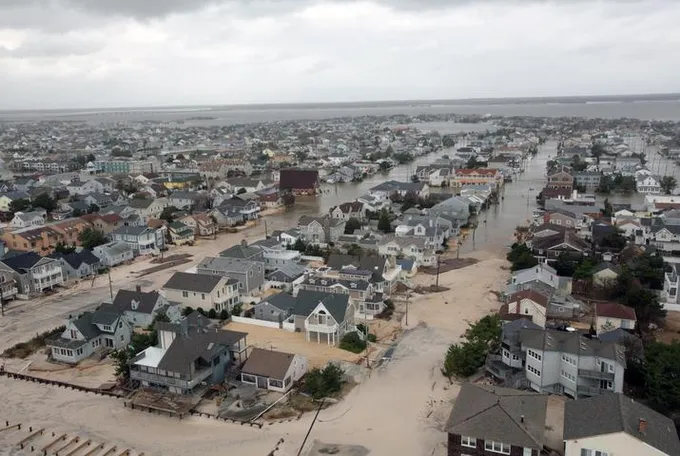
The GRRT is a toolkit and training program designed to increase awareness and knowledge of environmentally responsible disaster response approaches. Although disasters wreak havoc, the rebuilding efforts that follow represent a significant and important opportunity to restore communities in a more environmentally and socially responsible way. Humanitarians, conservation practitioners, government officials, local communities, and donor organizations can take steps to ensure communities prepare for disasters and build back safer by actively addressing environmental sustainability, reducing risk and vulnerability to future disasters, and adapting to the effects of our changing climate.
Learn more: http://envirodm.org/green-recovery
-
-
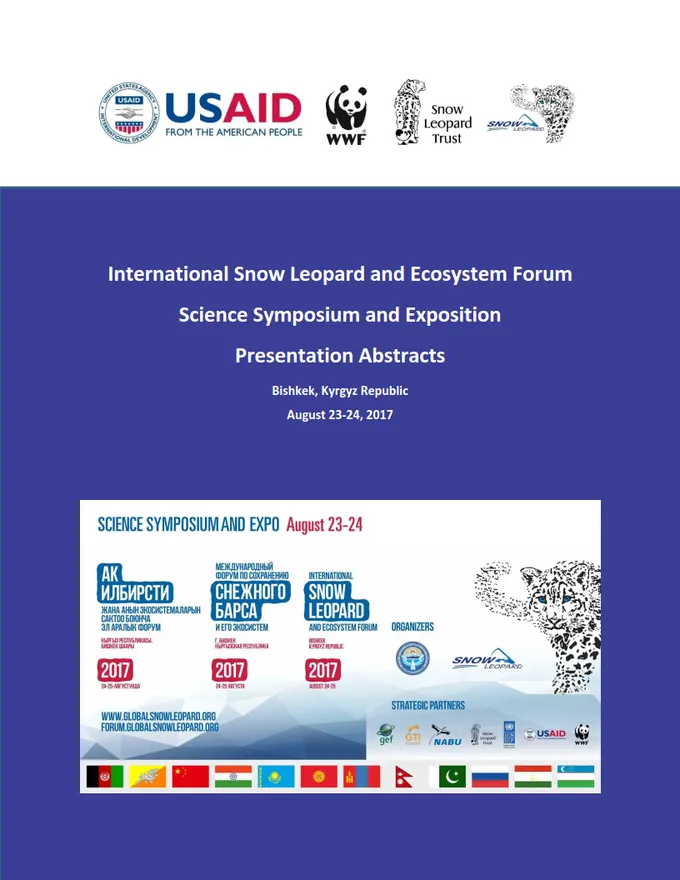
The International Snow Leopard and Ecosystem Forum Science Symposium and Exposition was held at the Hyatt Regency and Jannat Regency Hotels in Bishkek, Kyrgyz Republic from August 23-24, 2017. The symposium featured expert presentations on current topics in snow leopard research and conservation. This publication contains abstracts of presentations given at the symposium. (53 page Symposium Proceedings)
-
A TRAFFIC report has exposed a disturbing new shift in the illegal trade of African rhino horn. Highly adaptive, transnational criminal networks operating in Southern Africa have begun processing rhino horn locally to evade detection by enforcement agencies and supply ready-made products to seemingly insatiable consumers in China and Vietnam. Urgent steps must be taken to avoid a further boost to the existing African rhino poaching crisis.