Publications
-
World Wildlife Fund (WWF) and The Coca-Cola Company recognize the critical importance
of safeguarding our global water supply. This report summarizes our accomplishments throughout 2010, highlighting progress in river, habitat and species restoration; improved water efficiency across Coca-Cola’s global bottling operations; and reduced environmental impacts in its supply chain.
-
This fact sheet provides an overview of WWF’s work with communities in Namibia, South Pacific, Cameroon and Panama.
-
Good governance in conservation involves a policy environment and empowered civil society organizations that support democratic participation in decision-making about environmental matters and equitable access to the benefits of conservation. WWF’s conservation work includes efforts to promote governance using multiple approaches ranging from the local to global scale.
-
Through the Shrimp Aquaculture Dialogue (ShAD), performance-based standards for shrimp farming are being developed. This document provides the second draft of the principles and criteria that will form the final standards. When completed, the final standards will help minimize the key environmental and social impacts related to shrimp farming.
-
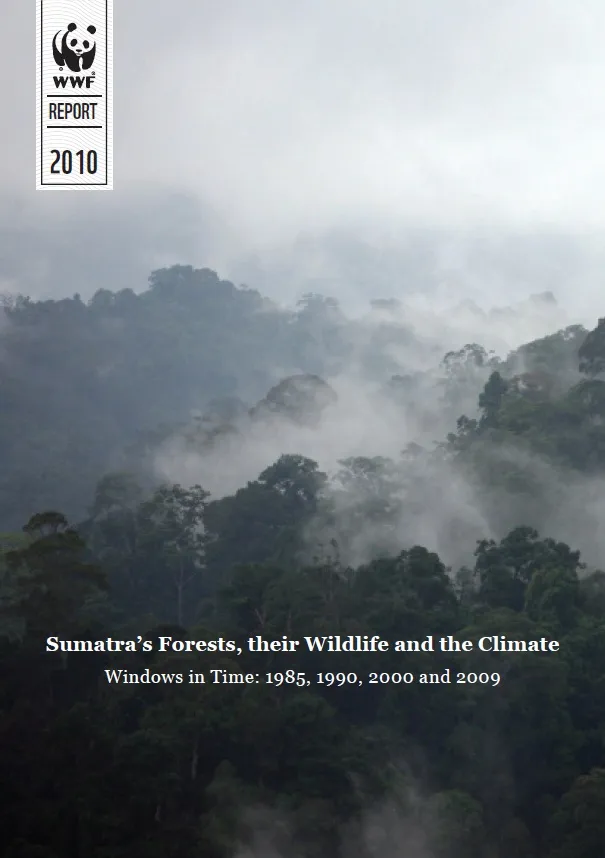
This 2010 WWF report provides an overview and analysis of the state of natural resources in Sumatra and its eight mainland provinces. It includes data and information about the loss of natural forests from 1985 to 2009, loss of carbon stock in natural forests and peat, deforestation and eco-floristic diversity, as well as deforestation and mega-fauna diversity. The report also includes suggestions for prioritizing conservation and restoration interventions in Sumatra.
-
Through the Salmon Aquaculture Dialogue (SAD), performance-based standards for salmon farming are being developed. This document provides the first draft of the principles and criteria that will form the final standards. When completed, the final standards will help minimize the key environmental and social impacts related to salmon farming.
-
Through the Freshwater Trout Aquaculture Dialogue (SAD), performance-based standards for freshwater trout farming are being developed. This document provides the first draft of the principles and criteria that will form the final standards. When completed, the final standards will help minimize the key environmental and social impacts related to freshwater trout farming.
-
Addressing global water challenges is of critical importance to both World Wildlife Fund and The Coca-Cola Company. This report highlights the results of our transformative partnership to conserve freshwater resources around the world achieve in 2009.
-
Through the Shrimp Aquaculture Dialogue (ShAD), performance-based standards for shrimp farming are being developed. This document provides the first draft of the principles and criteria that will form the final standards. When completed, the final standards will help minimize the key environmental and social impacts related to shrimp farming.
-
Analysis by WWF of palm oil production in Kalimantan, Indonesia, found that by pursuing a strategy of yield intensification and planting on degraded lands, the palm oil industry would effectively be able to tackle financial hurdles, minimize impact on biodiversity, and meet climate change criteria in terms of carbon payback without further deforestation.