What are grasslands and why do we need to protect them?
Grasslands are large expanses dominated by grasses. They're rich in biodiversity and critical to both wildlife and people alike. We must work together to protect these critical landscapes.
© Danita Delimont/Shutterstock
1. What are grasslands?
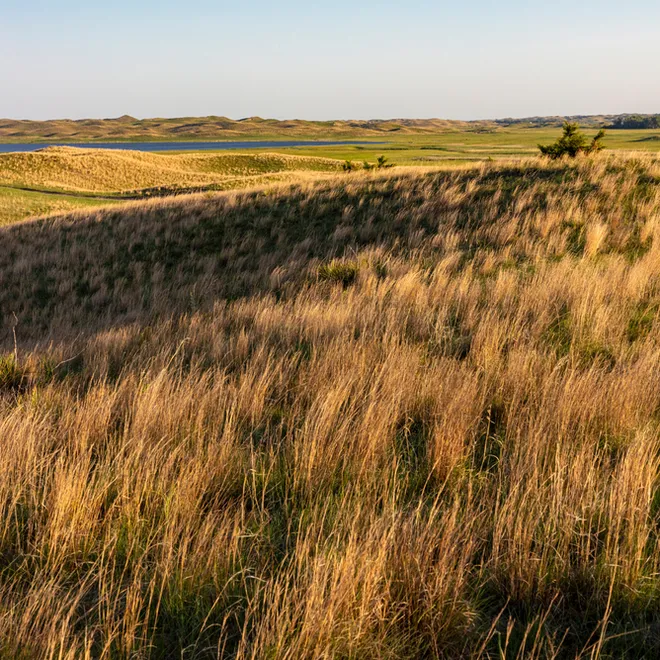
As you might expect, grasslands are habitats dominated by…well…grasses (and other flowering plants)!
These wide-open habitats form when the climate and soil conditions are insufficient for woody plants to put down roots. With limited rainfall and tough growing conditions, grasslands often pop up in the space between forests and deserts. Some grasslands exist for other reasons, too, like a landscape’s response to regular flooding, frequent fires, or harsh winter temperatures that keep bigger plants in check. Because grasslands stretch across the globe, no two are quite the same. One thing they have in common, however, is that they host an incredible mix of plants, animals, and human cultures. In fact, scientists have identified more than 10,000 species of grass worldwide, proving there’s a lot more to grasslands than meets the eye.
2. What types of grasslands are there?
© WWF-US/Sarah Mosquera
© Bento Viana / WWF Brazil
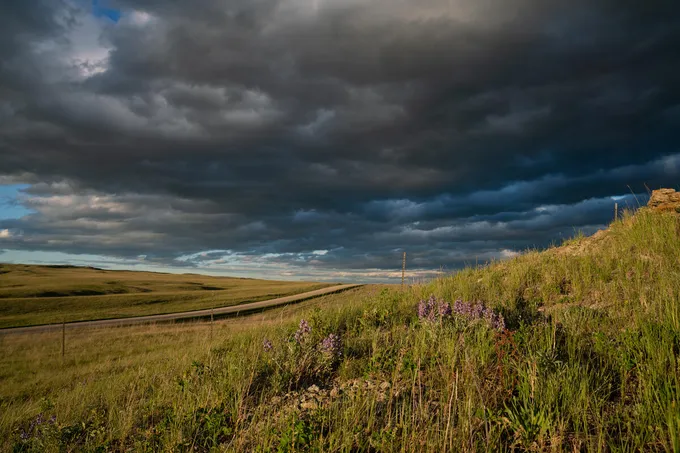
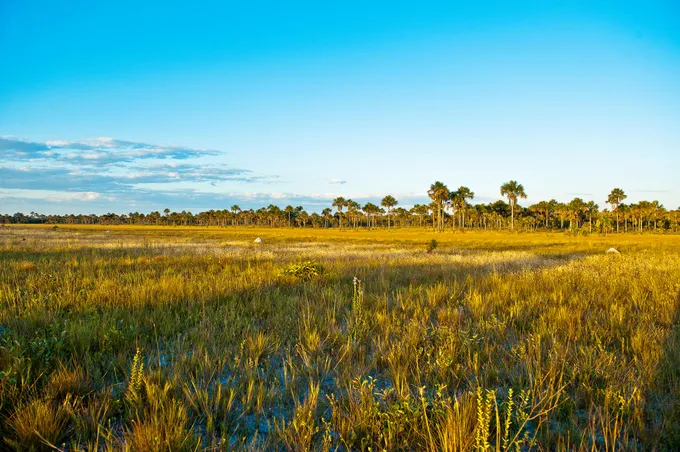
Natural grasslands can be categorized into two subgroups: tropical and temperate.
Tropical grasslands, also known as savannas, are more equatorial and found in Africa, southern Asia, Australia, northern South America, and even in the US along the Southeastern Atlantic coast. The climate is generally hot and wet, and though the primary vegetation is grass, some scattered trees may still grow here.
Temperate grasslands, located between the equator and the poles, include those in North America, Europe, southern South America, Africa, and Australia. These grasslands endure greater temperature variation and include both prairies with longer grasses and steppes with shorter grasses.
3. Why are grasslands important?

© WWF-US/Sarah Mosquera
Grasslands are among the most threatened yet least protected biomes on Earth. They cover roughly 54% of land globally and are found on every continent except Antarctica. These vast ecosystems support remarkable biodiversity, provide critical goods and services to human societies, and play a major role in mitigating climate change. Grasslands are vital habitats for migratory birds, wild ungulates, native pollinators, and countless other species. They also underpin global food systems, producing staple crops such as wheat, rice, and corn, and offer grazing land for domestic livestock like cattle and sheep. In addition, grasslands supply energy resources, such as wind, while storing large amounts of carbon.
Beyond their ecological and economic value, grasslands are rich cultural landscapes, including for many Indigenous Nations and rural communities, and important spaces for recreation, including hiking, birdwatching, and hunting. Across the globe, grasslands are highly diverse, shaped by the unique plant, animal, and human communities that sustain them.
The ecological significance of grasslands
Biodiversity
Grasslands are among the most biodiverse and biologically distinct ecosystems in the world. They support many endemic species—those that are native to and only found in specific grasslands. In American prairies, some endemic species include endangered black-footed ferrets, pronghorn, and the iconic American bison. In Africa, savannas are home to iconic species like lions, African elephants, giraffes, and zebras, while in Australian savannas, kangaroos, emus, and wallabies roam free. In the pampas of South America, guanacos, jaguars, giant anteaters, and greater rheas rule the grasses.

© WWF-US/Danielle Brigida
Carbon storage
Grasslands store approximately one-third of the global terrestrial carbon stocks and can act as an important soil carbon sink. Grasslands store a large share of their carbon below ground in roots and soils rather than in above-ground vegetation, unlike many forests. Because of this, grassland soils are estimated to contain up to several hundred gigatons of carbon.
Goods and services
Farming and ranching in grasslands
In addition to their ecological significance, grasslands are vital to people. The primary use of grasslands is agriculture. Grasslands generate an estimated $20.8 trillion in annual economic value through livestock production and other ecosystem services. In fact, 80% of the world’s agriculturally productive land is in grasslands, and they are crucial to the livelihoods of roughly one billion people. Grasslands provide the primary forage for grazing livestock like cattle, sheep, goats, and horses, which in turn supports the production of other goods like meat, milk, leather, wool, and other fibers.
The cultural significance of grasslands

© Juozas Cernius / WWF-UK
Around the world, grasslands have long been integral to the cultural identities of many Indigenous and rural communities, including pastoralists like the Maasai in African savannas, nomadic communities in the Central Asian steppes, and Indigenous North Americans. Native cultures often foster deep knowledge and traditions surrounding the land, stewarding values of respect and sustainability. For example, the traditional agro-pastoral system developed by Maasai communities in northern Tanzania is widely recognized as a Heritage Area because of its synergy with the natural systems in which it operates.
Recreation
Grasslands offer many recreational activities, including hiking, horseback riding, birdwatching, hunting, camping, and other outdoor activities, depending on the landscape. Grasslands also attract tourists from around the globe. The African savannas host iconic wildlife—like lions, elephants, and rhinos—that attract tourists for wildlife watching and nature photography. In the Kavango Zambezi Transfrontier Conservation Area (KAZA) in southern Africa, tourism provides essential support for conservation areas, allowing visitors to enjoy thriving wildlife while also supporting local and Indigenous communities in the area.
4. What threats do grasslands face?

© Chris Boyer / Kestrel Aerial / WWF-US
The greatest threat to grassland ecosystems is land conversion for cropland. Worldwide, more than half of major grasslands and savannas have already been converted, with conversion continuing at a rapid pace. In the Great Plains, we lose over a million acres every year. Woody encroachment—the spread of invasive trees and shrubs—along with the expansion of infrastructure, energy projects, and transportation corridors, is also fragmenting grasslands and opening new areas to development.
Habitat destruction from plowing and conversion to cropland is also a major contributor to the decline of wildlife, especially grassland birds and pollinators. This in turn leads to pesticide exposure, especially neonicotinoid seed treatments and glyphosate in row-crop landscapes, which further harm pollinators, songbirds, and other grassland-associated species. Lastly, because intact grasslands contribute significantly to both climate resilience and climate mitigation, their loss or degradation weakens their natural defenses, reducing the landscape’s ability to store carbon and adapt to a changing climate.
5. What is WWF doing to protect grasslands?
WWF advances global and local action to ensure savannas and grasslands are prioritized in conservation and development, protecting biodiversity, carbon value, and local livelihoods. We build coalitions, influence global commitments, and work with communities to prevent habitat conversion, promote sustainable land management, and restore degraded landscapes.
Protecting the North American Great Plains

© WWF / Clay Bolt
The Great Plains ecoregion is a complex landscape of people and wildlife sharing land, water, and other resources. As such, successful conservation in the region requires a multipronged approach that recognizes and supports both the human communities and the natural communities that comprise this amazing landscape.
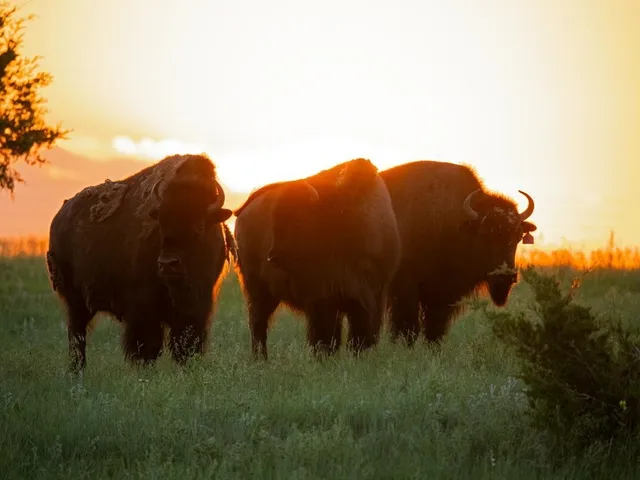
WWF is committed to supporting sustainable land stewardship of the Great Plains. One way WWF does this is by working to fulfill the vision of Native Nations, who have inhabited the Great Plains for generations and consider grassland conservation and wildlife restoration to be of cultural and spiritual significance. While Native Nations currently manage only 6.3% of the ecoregion, most Native grasslands remain intact. WWF strives to support Native-led conservation efforts by addressing the biological, social, and financial barriers to recovering bison, black-footed ferrets, and other keystone and endangered species.
Similarly, WWF advances sustainable ranching and land management through the Sustainable Ranching Initiative (SRI), which strengthens the capacity of locally led ranching groups through education, cost-share opportunities, ecological monitoring, and a robust community of practice. WWF also partners with landowners and managers to restore marginal cropland to grassland and rehabilitate riparian areas.
© WWF-US/Clay Bolt
Support Tribes restore buffalo to the Great Plains
The Indian Buffalo Management Act would strengthen support for Tribal Nations who are working to bring buffalo back from the brink of extinction.
Supporting KAZA

© Will Burrard-Lucas / WWF-US
In southern Africa lies the world’s largest land-based transboundary conservation area: KAZA. KAZA spans parts of five countries—Angola, Botswana, Namibia, Zambia, and Zimbabwe—and conserves extensive woodlands, grasslands, and wetlands that provide critical habitat for lions, wild dogs, and the planet’s largest population of savanna elephants. KAZA is also home to approximately 2.7 million people, who mostly own livestock and depend on small-scale agriculture.
WWF helps people and wildlife coexist by working closely with government agencies, other conservation organizations, and local communities to reduce human‑wildlife conflict. This includes reducing depredation of livestock and preventing overgrazing of rangelands through improving management of livestock. WWF also works to maintain landscape connectivity across priority habitats like grasslands, so that critical wildlife corridors remain intact, and animals can use them to move between core areas while minimizing potential conflict with people.

© MoMo Productions, Digital Vision, Getty Images
Help conserve water at home and in your community
By making small, intentional changes, each of us can help safeguard water for people and nature.
Sources:
Britannica. (n.d.). Grassland. https://www.britannica.com/science/grassland
FAO. (n.d.). Maasai pastoralists protect the land: Sustainable tourism protects the Maasai. Food and Agriculture Organization of the United Nations. https://www.fao.org/newsroom/story/Maasai-pastoralists-protect-the-land-sustainable-tourism-protects-the-Maasai/en
IUCN. (2009). Pastoralism and rangeland management. International Union for Conservation of Nature. https://portals.iucn.org/library/sites/library/files/documents/2009-050.pdf
Oregon State University. (n.d.). Short and tall grasses. Forage Information System. https://forages.oregonstate.edu/regrowth/how-does-grass-grow/grass-types/short-and-tall-grasses
Rangelands Partnership. (n.d.). Keeping the grasslands of the Northern Great Plains healthy. Rangelands Atlas. https://rangelands.app/atlas
Science. (2023). Global change impacts on grassland ecosystems.
https://www.science.org/doi/10.1126/science.abo2380
Science. (2023). Global change impacts on grassland ecosystems. https://www.science.org/doi/10.1126/science.abo2380
ScienceDirect. (n.d.). Grassland biodiversity. https://www.sciencedirect.com
Sustentabilidad UAI. (n.d.). Grasslands. Universidad Abierta Interamericana.
https://sustentabilidad.uai.edu.ar/pdf/info/page_grasslands.pdf
The Royal Society. (n.d.). The underestimated biodiversity of tropical grassy biomes. Philosophical Transactions of the Royal Society B. https://royalsocietypublishing.org
U.S. National Library of Medicine. (2012). Grassland ecology and conservation (PubMed ID: 22558923). https://pubmed.ncbi.nlm.nih.gov/22558923/
Wiley Online Library. (n.d.). Conservation Science and Practice (Article e626).
https://conbio.onlinelibrary.wiley.com/doi/full/10.1111/csp2.626
Wiley Online Library. (n.d.). Ecology and society of grasslands. Journal of Biogeography.
https://onlinelibrary.wiley.com/doi/full/10.1111/jbi.12381
Wiley Online Library. (n.d.). Ecosphere: Grassland ecosystem dynamics.
https://esajournals.onlinelibrary.wiley.com/doi/10.1002/ecs2.2582
World Resources Institute. (n.d.). Grassland benefits. https://www.wri.org/insights/grassland-benefits
Zavaleta, E. S., Pasari, J. R., Hulvey, K. B., & Tilman, D. (2010). Sustaining multiple ecosystem functions in grassland communities. Current Biology, 20(17), 1484–1488.
https://www.cell.com/current-biology/fulltext/S0960-9822(10)01021-3