Why seaweed is a jack-of-all-trades in the fight against climate change
Seaweed is a sustainable food source and adaptation tool
© WWF/Todd Paige
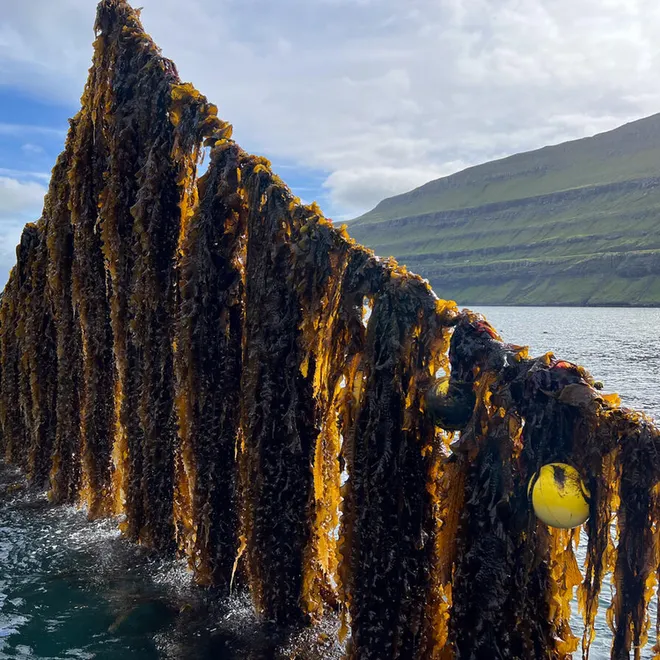
On the surface, brown-colored kelp might not look like the most exciting organism. But when it comes to tackling climate change, this large algae—one of around 12,000 species of seaweed worldwide—has superpowers. It can store greenhouse gases, reduce the carbon footprint of the global food system, help coastal communities adapt to climate impacts, and even be made into a climate-friendly alternative to plastic!
Here are seven seaweed superpowers that help the climate.
Superpower: Storing carbon
Produced by burning fossil fuels, excess CO2 in the Earth’s atmosphere is one of the largest drivers of climate change. By taking up carbon from its ocean environment, seaweed can play an important role in tackling climate change. As seaweed grows, pieces fall off and drift to the seafloor, storing carbon. In fact, studies have shown that every year, algae worldwide contribute more new carbon stored away than mangroves, seagrasses, and salt marshes combined!
Superpower: Serving as a low-carbon food source
Agriculture is a large contributor to the greenhouse gas emissions that are driving climate change. The production of soy and beef, for example, is driving deforestation in the Amazon as more land is cleared to make way for crop fields.
Here’s the good news: Seaweed farming has a very low carbon footprint. It doesn’t need land or freshwater, nor does it need pesticides or fertilizers, which avoids harmful impacts on ecosystems. Shifting human diets to include more seaweed helps to avoid more resource and emissions-intensive foods and crops that put pressure on our ecosystems.
Plus, seaweed is delicious! Whether served as a refreshing salad or in a sizzling burger, it can be a nutritious addition to our diets.
© Daniel Vernick / WWF-US
© Daniel Vernick / WWF-US
Superpower: Helping communities adapt to climate impacts
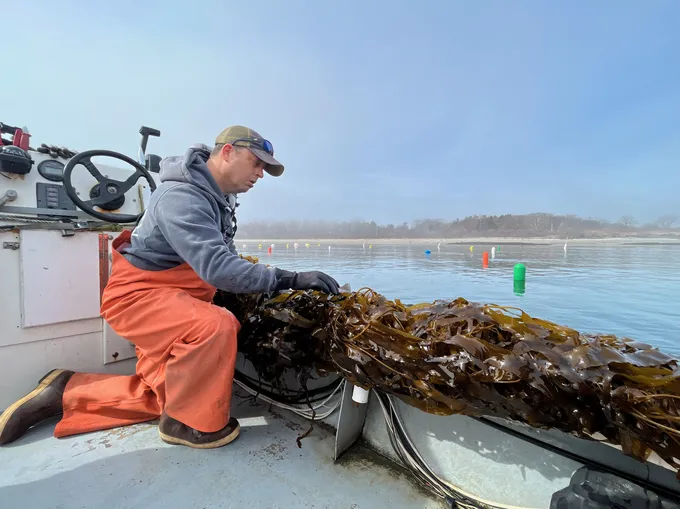
Most seaweed consumed in the US is transported from the other side of the world. But the US coast offers enormous opportunities for farming seaweed. At the same time, fishers’ livelihoods are being hit hard by climate change.
Take Maine, for example. Along its rocky coasts, fishing is a crucial source of jobs for thousands of people. But the Gulf of Maine is warming three times faster than the ocean as a whole, putting pressure on the fishing industry. That’s where seaweed comes in.
Farming seaweed can supplement fishers’ income. Seaweed is grown in the winter while the prime fishing season is in the summer, which means that it can fit seamlessly into a fisher’s schedule.
That seaweed can then be sold locally in the growing US market. By supplying seaweed locally instead of shipping it across the world, its carbon footprint is reduced.
Superpower: Buffering against stronger storms
As climate change intensifies storms and drives higher sea levels, coastlines are being eroded. Seaweed helps to buffer against erosion.
When back-to-back storms hit coastal Maine in January 2024, for example, $70 million in damage was recorded to public infrastructure along the coast. Amazingly, most seaweed farms remained intact and had minimal damage. Seaweed had served as a natural buffer!
Superpower: Providing an alternative to plastic
Made from fossil fuels such as oil and gas, plastic has a huge carbon footprint. It also has a huge impact on our oceans. Every minute, the amount of plastic entering the ocean could fill an entire dump truck! This endangers animals like sea turtles and whales.
Did you know that seaweed can be used to make alternatives to products produced with plastic, such as plastic-free fishing line, nets, and even bags? By using locally grown seaweed, these alternatives have a low carbon footprint.

© Daniel Vernick / WWF-US

© Daniel Vernick / WWF-US
Superpower: Tackling ocean acidification
One dangerous impact of climate change is ocean acidification, which occurs when CO2 is absorbed into the ocean waters. This changes the chemistry of the water to increase its acidity, leading to the dissolution of the shells of marine wildlife such as lobsters, crabs, and shrimp. Seaweed farms can help reduce local acidification!
Superpower: Reducing carbon emissions by feeding seaweed to pigs
As seaweed farming expands, more research is being done on its benefits. New studies show that including seaweed in pigs’ diets reduces carbon emissions by improving piglets' gut health, leading to decreased antibiotic usage and improved survival. Similar benefits have been found when seaweed is fed to fish, shrimp, and chickens.
Seaweed is a solution
Seaweed has so many superpowers! As climate change intensifies, seaweed can help. It can’t solve climate change alone, but it is one of many important solutions. WWF is working to expand seaweed farming in a way that supports coastal communities around the world.