5 clever animals that change costume
Come Halloween, people across the country will transform from everyday people to ghouls, goblins, and more. But humans aren’t the only ones who change costumes.
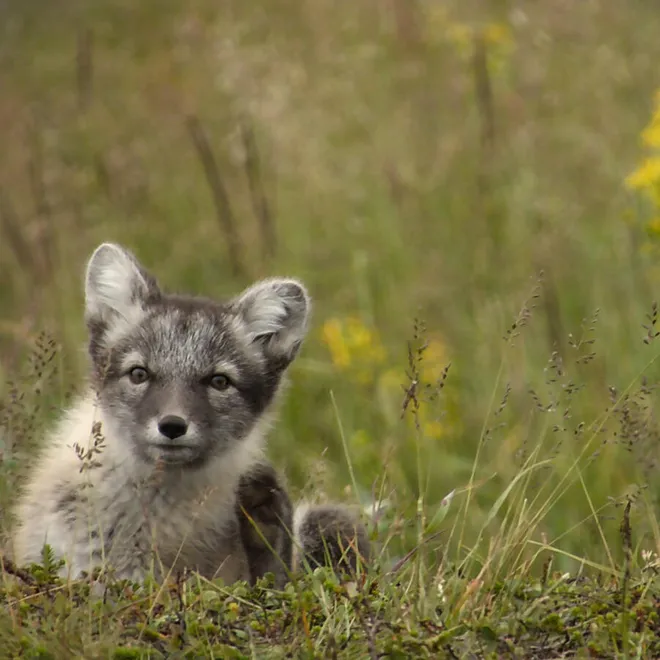
© Christopher Cockerill / Swedish Arctic Fox Project
Check out the animals below that change their color, shape, and more seasonally or over time. Maybe they’ll inspire your next costume!
Arctic fox
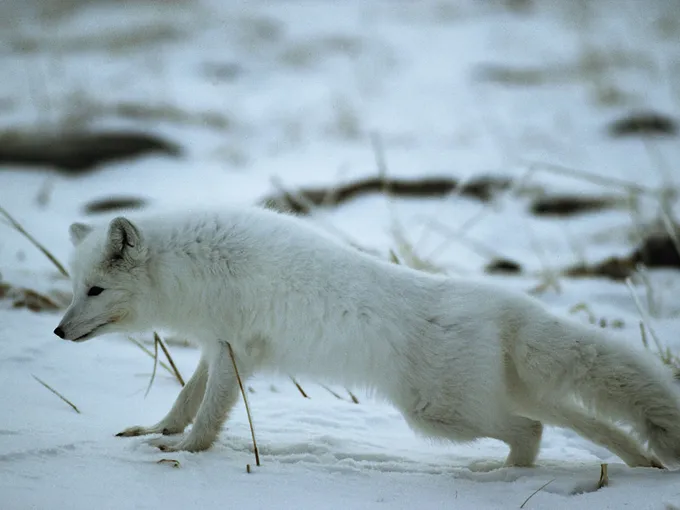
© Fritz Pölking / WWF
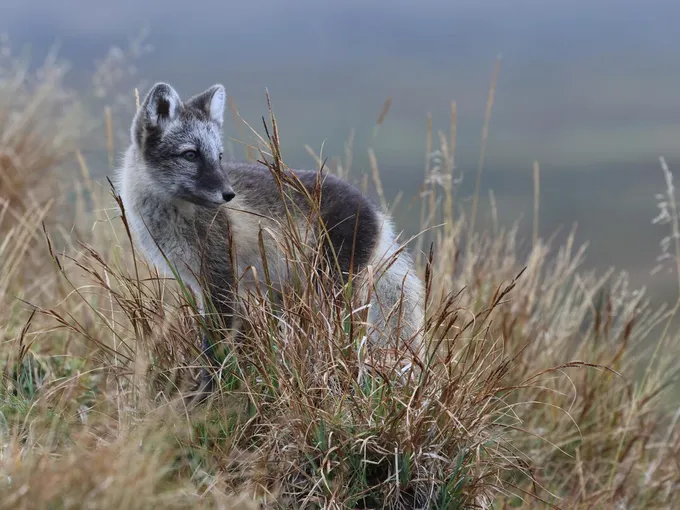
© Petri Piisilä / Metsähallitus / WWF
The magnificent Arctic fox changes costume with the weather. In the winter, the species dons a bright white or blueish-gray coat to blend into the snow covering inland Arctic areas. That coat changes to brown or gray when the snow melts, revealing the rocks and plants of the tundra. WWF works to support and protect fragile ecosystems like the Arctic so the Arctic fox and other wildlife may thrive.
Mimic octopus
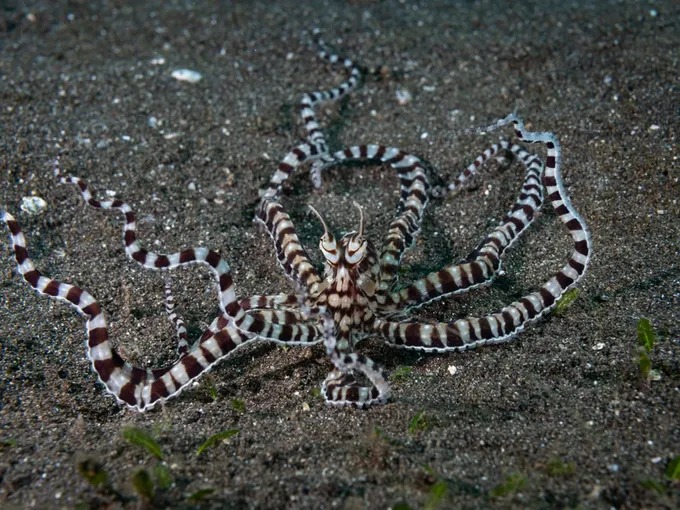
© Francesco Ricciardi/Shutterstock
© Sascha Janson/Shutterstock
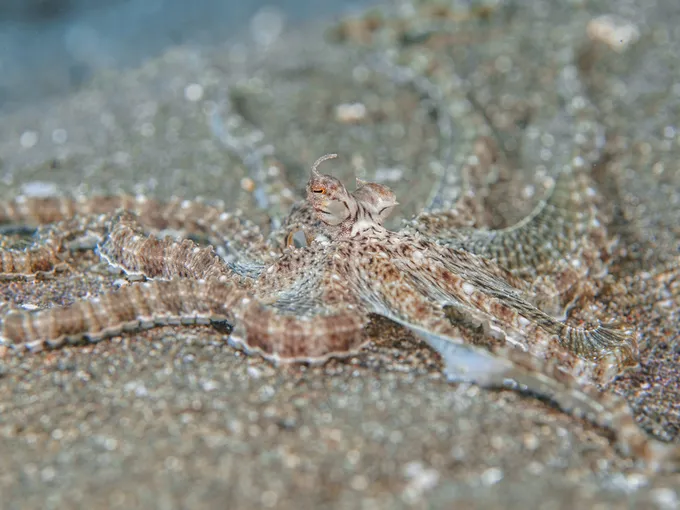
As its name suggests, the mimic octopus changes shape and color to resemble other marine animals, like flatfish, lionfish, seahorse, and crabs. In general, octopuses are known to change color, but the mimic octopus specifically takes the defense tactic a step further by also changing shape to avoid potential predators.
American goldfinch
© Element allqulity Designe/Shutterstock
© Brian Lasenby/Shutterstock
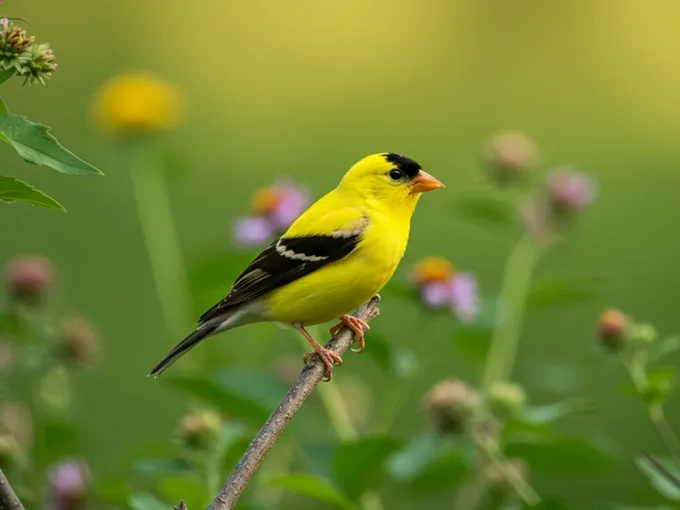
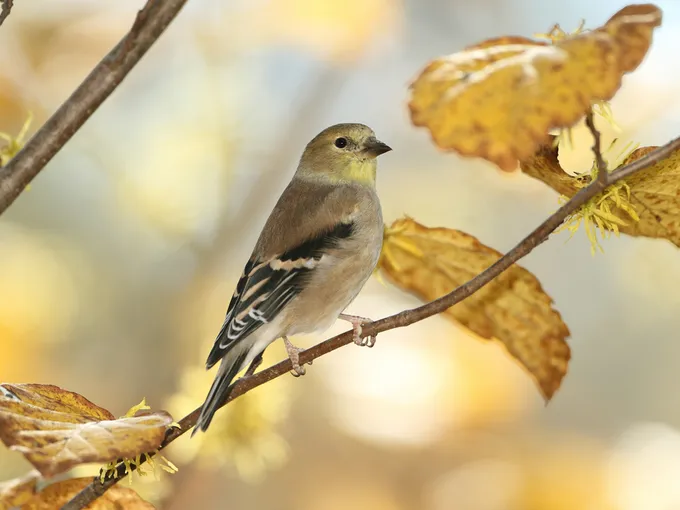
The American goldfinch sports luminous yellow feathers in the summer, making the species easy for birdwatchers to spot. But as the weather cools and winter rolls in, the goldfish dons subtle brown feathers.
Stoat
© USFWS
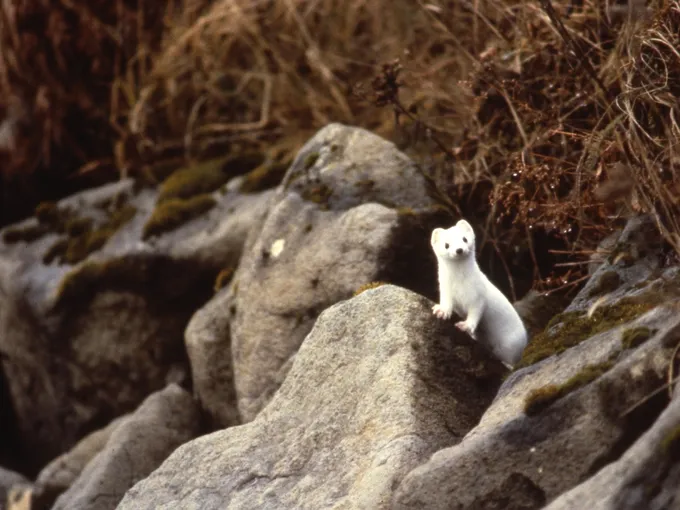
© J. Sarvis / USFWS
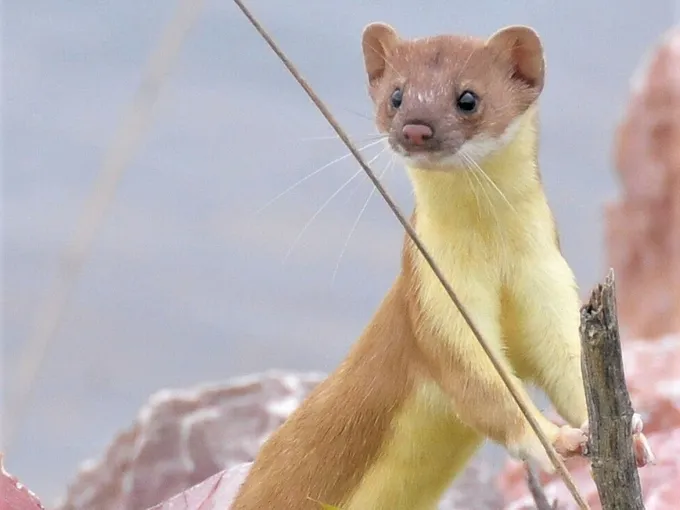
The stoat is generally not the first species that comes to mind when we think of animals in cool climates. This weasel-like creature lives mainly in alpine meadows, marshes, and riparian woodlands, where it has a brown coat and a whiteish-yellow belly. But in very cold places, that coat—much like the one of the Arctic fox—turns pure white. This keeps the stoat camouflaged so it can hunt.
Monarch butterfly
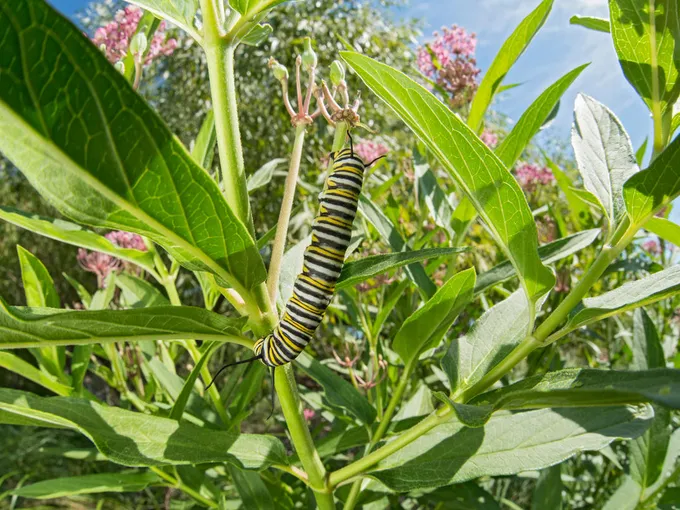
© WWF-US/Clay Bolt
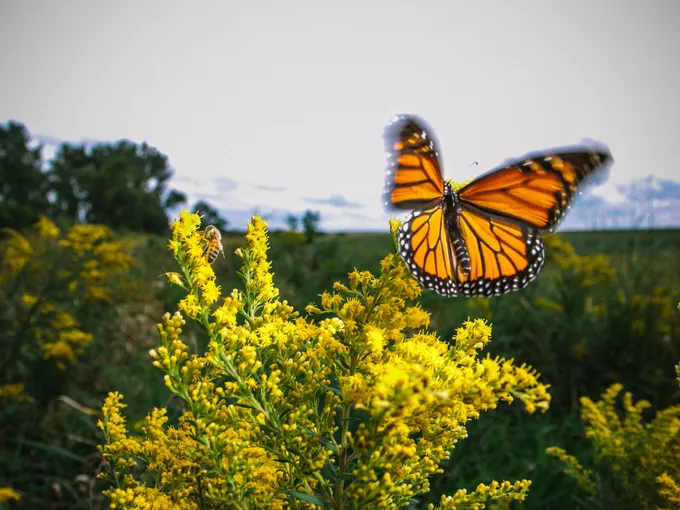
© Morgan Heim / Day's Edge Productions / WWF-US
Monarch butterflies perform the ultimate costume change: shifting from a caterpillar to a beautiful, winged creature. Monarchs lay one small egg on a milkweed plant. That egg becomes a larva—what we know as a caterpillar—and eventually transforms into a pupa. After a time, the monarch will pump its wings and expand into a butterfly. WWF works to promote good forest management to preserve monarch habitat in Mexico and helps fight climate change that can impact monarch migration.
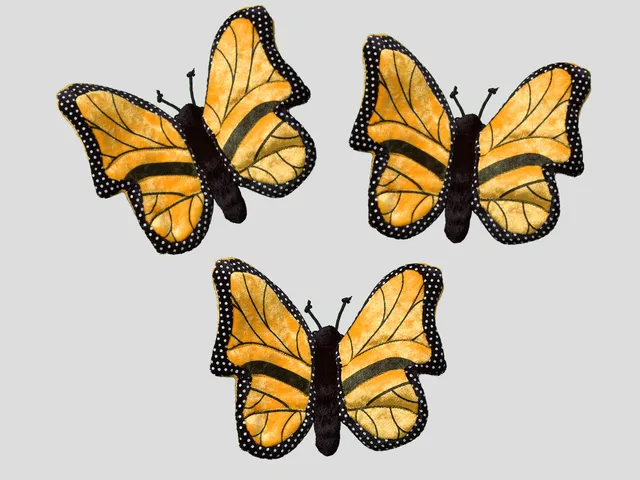
© WWF-US / WWFGifts
Adopt a monarch butterfly
Support WWF’s global efforts to protect wild animals and their habitats and choose from kits with plush and more.