How big are whale sharks? And four other whale shark facts
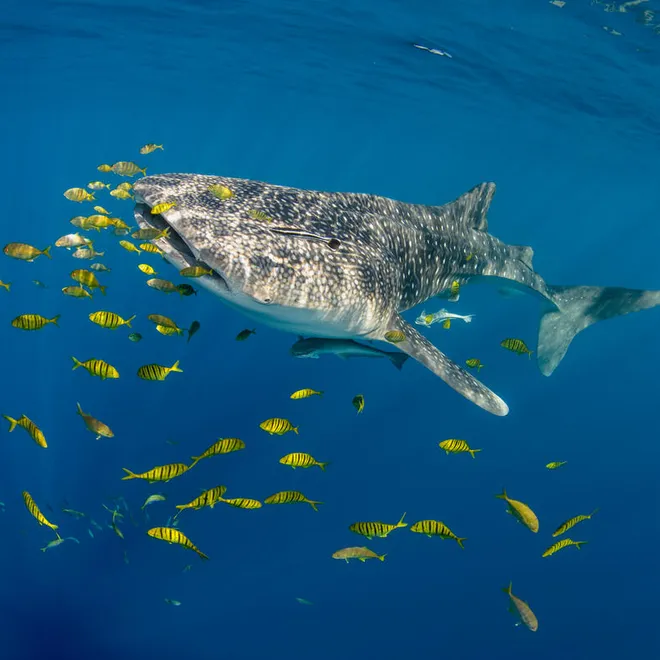
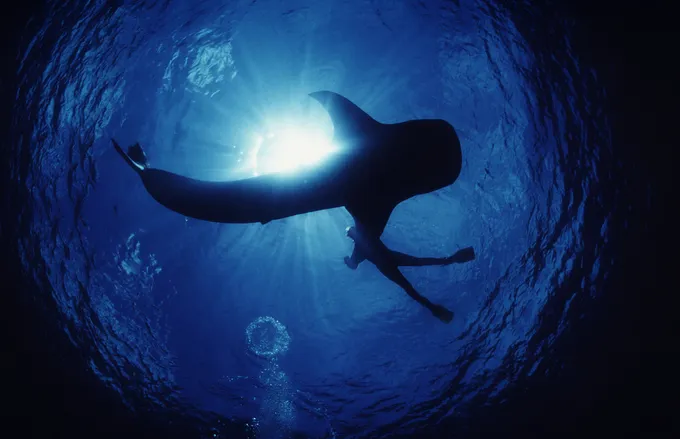
Whale sharks measure up to 60 feet long, making them the world's largest fish
© Pete Oxford / naturepl.com / WWF
1. How big are whale sharks?

© Vincent Kneefel / WWF
Whale sharks are the world's largest fish and can grow up to 60 feet long. But despite their size, whale sharks are often referred to as "gentle giants."
2. What do whale sharks eat?

© Vincent Kneefel / WWF-Netherlands
Whale sharks are filter feeders and eat small shrimp, fish, and plankton by using their gill rakers as a suction filter. Although their mouths can stretch to four feet wide, whale sharks' teeth are so tiny that they can neither bite nor chew. They can process more than 1,585 gallons of water an hour through their gills.
3. How long do whale sharks live?
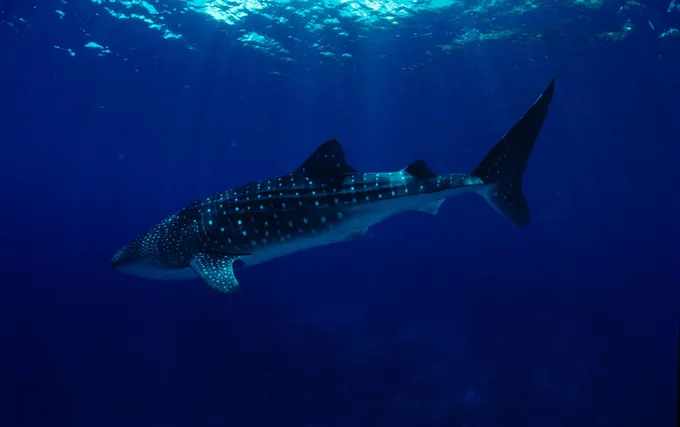
Whale sharks may live to 150 years old, though it's thought that less than 10% of whale sharks born survive to adulthood.
© Jürgen Freund / WWF
© Jürgen Freund / WWF
4. How fast do whale sharks swim?
Whale sharks swim little more than 3 miles per hour. However, they migrate thousands of miles to different feeding grounds. Except for the Mediterranean Sea, whale sharks can be found in all temperate and tropical oceans around the world.
5. What threats do whale sharks face?

© Steve De Neef / National Geographic Creative
Whale sharks—along with many other sharks—face the threat of accidental capture in fishing gear, as well as being caught deliberately for their fins, which are a delicacy in Asia. Their ocean home is also in danger. Climate change is warming the water, affecting habitats, prey, and shark population shifts. And plastic pollution is causing entanglement in abandoned fishing nets. Sharks and other marine life can also accidentally ingest ocean plastics, especially filter feeders.
How WWF helps whale sharks
Around the world, WWF is working to better protect and manage our oceans—including vital shark habitats. We’re also working to reduce bycatch and stop the illegal trade in shark products.
We can all play our part in reducing plastic pollution and fighting devastating climate change, which is affecting both people and wildlife.
Spotlight: whale shark tourism on Mafia Island, Tanzania
Whale shark tourism is one of the key sources of income to the community around Mafia Island, Tanzania, with the peak whale shark sighting season running from October to March. Thanks to the rich feeding grounds here, these whale sharks are permanent residents, rather than migratory like most other whale sharks.
Working with local communities, fisherfolk, and the tourism industry, WWF helps improve sustainable livelihood opportunities through the conservation of whale sharks. WWF is also monitoring these sharks and conducts surveys every couple of years to check that their population is thriving. In 2012, there were 100 individuals. Now, there are around 180. This is a great achievement, considering that sharks are slow to grow and reproduce.

© Brent Stirton / Getty Images / WWF-UK
© WWF-US / WWFGifts
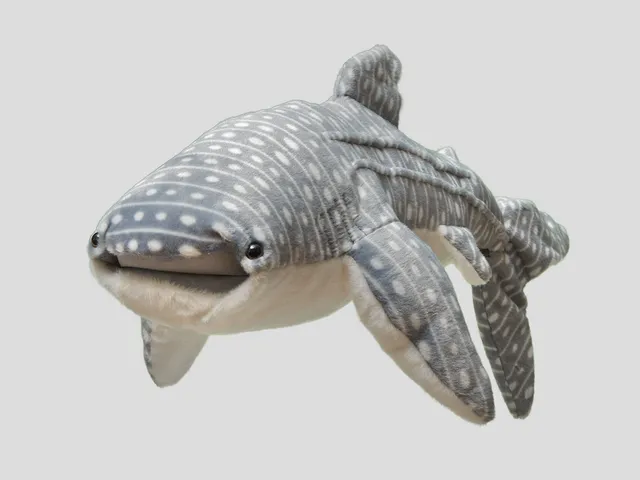
Adopt a whale shark
Support WWF’s global efforts to protect wild animals and their habitats and choose from kits with plush and more.