Relatable facts about endangered species
© WWF-US/Danielle Brigida
Key takeaways
- Endangered species — Endangered species play vital roles in their habitat ecosystems. Some of their behaviors are unique but others seem all too common.
- Animal behavior — It's not just humans who enjoy snacking, napping, socializing, and singing.
- Interconnectedness — Sea turtles, pandas, lions, elephants, and more remind us that we are all interrelated, no matter how alike or unalike we are.
Plenty of stories focus on what makes endangered species unique—their ability to jump, run, eat, and survive in situations that fascinate us. But in addition to these distinct talents, many endangered species exhibit some very relatable behavior. Here are just a few:
Pandas: Snack all day long
Giant pandas spend 10-16 hours a day eating. So next time you grab a snack, just know you’re channeling your inner panda. They eat around 26 to 84 pounds of bamboo every day, depending on what part of the bamboo they are eating.

© Sharon Fisher
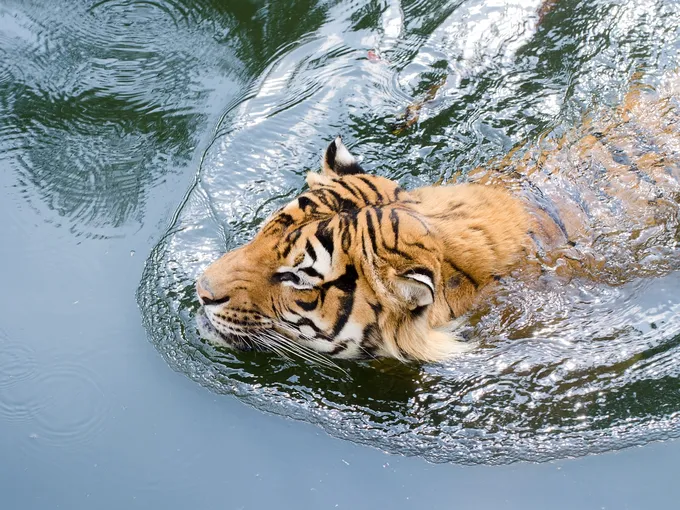
Tigers: take a dip to cool off
Tigers need access to clean water to survive, and if the days get too hot, they are known to get in the water to cool off.
© Veronika Fialova / Shutterstock
© Ola Jennersten / WWF-Canon
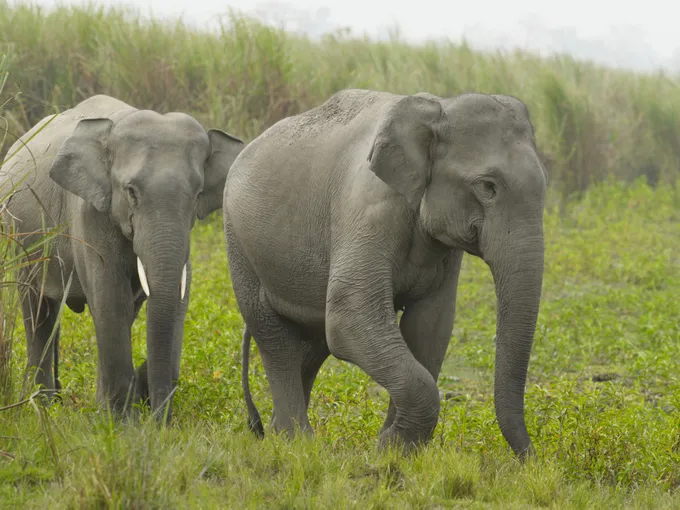
Asian elephants: Maintain friendships over time and space
Asian elephants are extremely sociable, forming groups that are led by the oldest and most experienced female, the matriarch. The more we learn about their social dynamic, the more we see that Asian elephants form vast networks, and studies show they even maintain connections with elephants they go a long time without seeing.
Polar bears: Stay mostly solitary but will gather if food is involved
Polar bears have a mostly solitary lifestyle, but with food, opportunity arises. You likely won’t see many polars around unless there is a feast of a beached whale or other large meal.

© WWF-US / Tara Zokaie
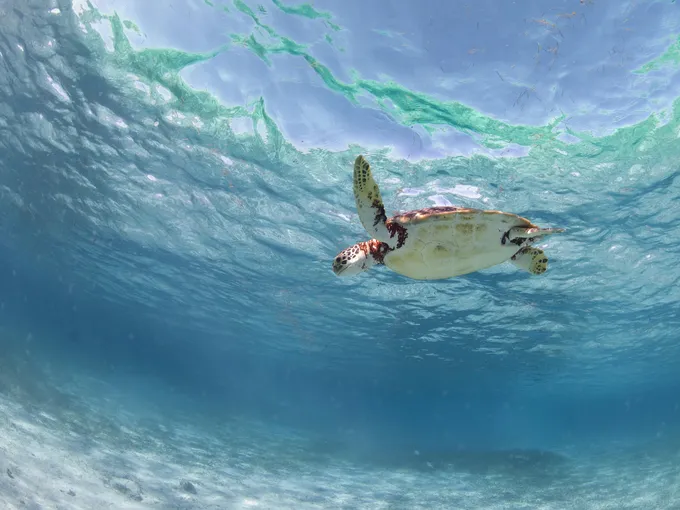
Sea turtles: Live for travel
Once hatchlings make it out to sea, they embark on an epic journey that can eventually lead species like the loggerhead to migrate across the entire Atlantic Ocean. Sea turtles get to their destinations through a combination of strategic swimming mixed with passive drifting on ocean currents.
© Antonio Busiello/WWF-US
© WWF-US / Elissa Poma
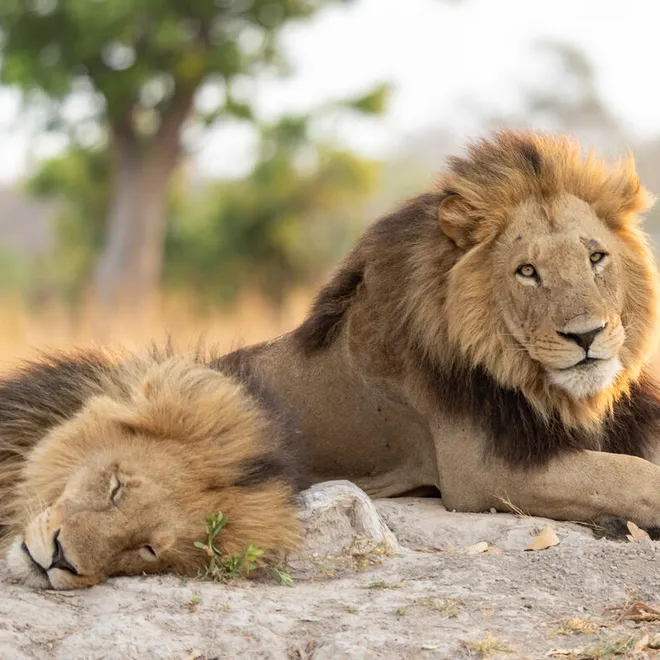
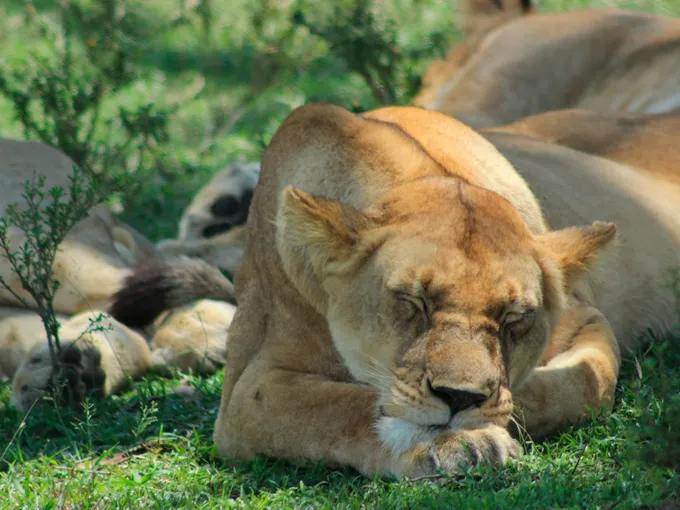
Lions: Nap like champions
Sleep is precious and lions are professional cat nappers. They spend a substantial portion of their daily lives napping and resting. A lion may sleep up to 20 hours a day, something that may make some of us a little jealous.
Black-footed ferrets: Are oh so chatty
Black-footed ferrets make a number of noises as they go about their day. They’ll communicate with chatters, hisses, whimpers and even barking. While they are mostly solitary except during breeding season and while raising young, they communicate often and with a variety of noises.

© Clay Bolt / WWF-US
Humpback whales: Are melodious vocalists
Who doesn’t love some music and sing a merry tune or two every now and then? Humpback whales are one of the most vocal marine mammals, and they make noise and use sound to communicate with each other.

© Bruce D. Taubert
Endangered species are reminders that we’re all interconnected, that even animals across the globe are vital threads in the tapestry of life. We can do so much more to care for one another and see some of the similarities we all share.
By Danielle Brigida, Senior Director of Wildlife Communications, WWF
Nature needs us now
Nature gives us everything we need to survive and thrive. Do something today and sign the pledge to protect nature.
© Shane Gross / naturepl.com / WWF