The soothing sounds of nature
Calm yourself with the chorus of the natural world
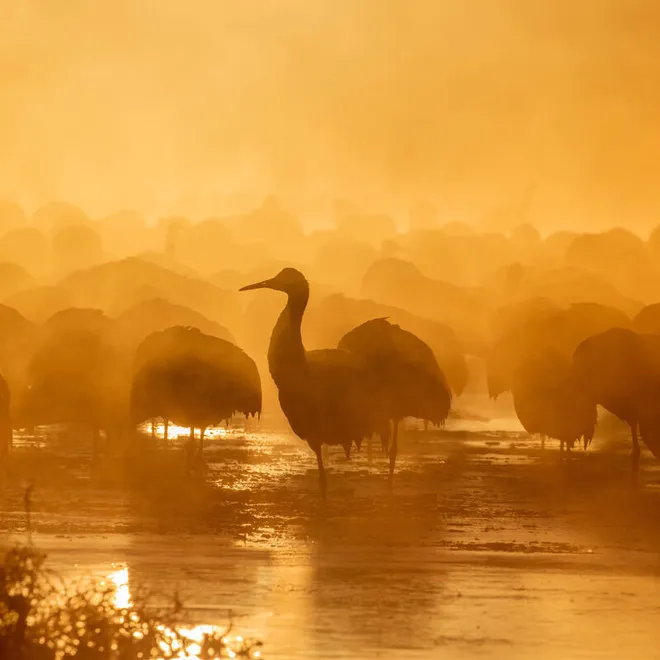
© WWF-US/Diana Cervantes
Our planet is full of sounds. The chirping of birds, the rustling of leaves, the babbling of a stream—these noises help to calm and ground us.
We've pulled together a few soothing sounds from special places around the world. Take a listen! We need nature, and nature needs us.
Gorilla movements in the forest
In the Dzanga-Sangha Protected Areas complex in the Central African Republic, gorilla habituation programs are a critical part of creating long-lasting conservation efforts that support wildlife and people. Through ecotourism, such programs provide employment and economic opportunities for local communities, including the Indigenous BaAka people who have been crucial partners of the program since its start over 25 years ago. The habituation process takes several years to ensure gorillas are comfortable in the presence of humans. It also incorporates safety procedures, including the requirement that people keep a safe distance and wear masks to prevent disease transmission.
The Amazon rainforest
The Amazon rainforest is one of the world’s most vital ecosystems. Its 1.4 billion acres of forest are home to one in 10 of the Earth’s known species and 20% of the planet’s available freshwater. The Amazon is one of the last refuges for jaguars, pink river dolphins, and harpy eagles and home to iconic wildlife such as sloths, macaws, emperor tamarins, and thousands of butterflies. Among the millions of species living within the Amazon, most are still undescribed. WWF understands that the health of the Amazon is critically linked to the health of the planet. WWF has worked in the Amazon since the 1970s, at the forefront of efforts to protect the people, forests, and species that call it home
Grasslands of the Great Plains
Spanning 700 million acres in the heart of North America, the Great Plains has been the site of some of the world’s greatest wildlife migrations. Herds of pronghorn and bison, clusters of monarch butterflies, and flocks of shorebirds and songbirds have historically migrated hundreds of miles, generally from north to south and back again in step with the seasons. Stretching across Indigenous lands, Canada, the US and Mexico, the region boasts incredible biodiversity. Today, the Northern Great Plains are one of the world’s largest and most intact temperate grasslands. WWF is working to ensure the region’s grasslands, wildlife, and freshwater systems thrive, communities live and work in balance with the plant and animal life it supports, and increased food, water, and economic security benefit all.
Coral reefs
Coral reefs are some of the most beautifully complex systems on the planet. Corals are bright and colorful because of microscopic algae called zooxanthellae. The zooxanthellae live within the coral in a mutually beneficial relationship, each helping the other survive. Inside this underwater wilderness, different species of coral give harbor to fish, turtles, and sharks. As climate change and unsustainable development threaten these vibrant ecosystems, WWF is working in seascapes around the world to protect and restore coral reefs and keep them teeming with life.
South Africa's savannas
Take a moment of calm and experience the remarkable savannas of Southern Africa, home to many of the world’s most beloved wildlife species—including elephants, rhinos, hippos, and lions. The iconic landscape also hosts critical transboundary freshwater systems, like the Zambezi and Okavango River basins. For decades, WWF has collaborated with local communities, governments, and other partners across the region to support a connected, climate-resilient, and economically viable landscape for wildlife and people.
Sounds of the yellow-rumped cacique
Stretching across more than 120 million acres in northern Brazil, the Tapajós River basin is home to spectacular biodiversity, including the yellow-rumped cacique. These highly social birds live in colonies and build hanging, pouch-like nests, often near wasp nests for protection. In the last 20 years, the region has lost more than 20% of its forest cover due to the production of commodities like soy and cattle. WWF is working with local partners, communities, governments, and others to help keep the forest standing for future generations, including supporting community-led, sustainable economic development activities like beekeeping and tourism.
Restoring the headwaters of a river
Listen to the sounds of the Rio Grande Return field crew restoring the headwaters of the Rio Grande. Every splash, plop, and revving engine helps slow the river's flow, refill the groundwater, and invite plants and wildlife back home—restoring wetlands, rivers, and biodiversity back to health.
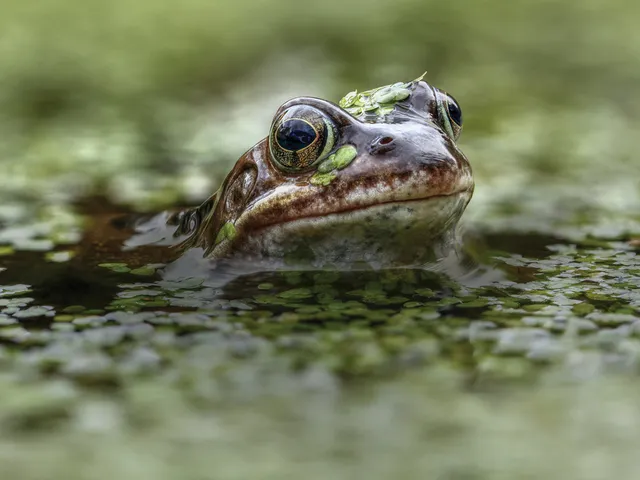
© Getty Images/Iain Lawrie/WWF-US
Send Your Message
Send a message to your Congressmembers asking them to support policies that invest in and protect nature.