Plastics
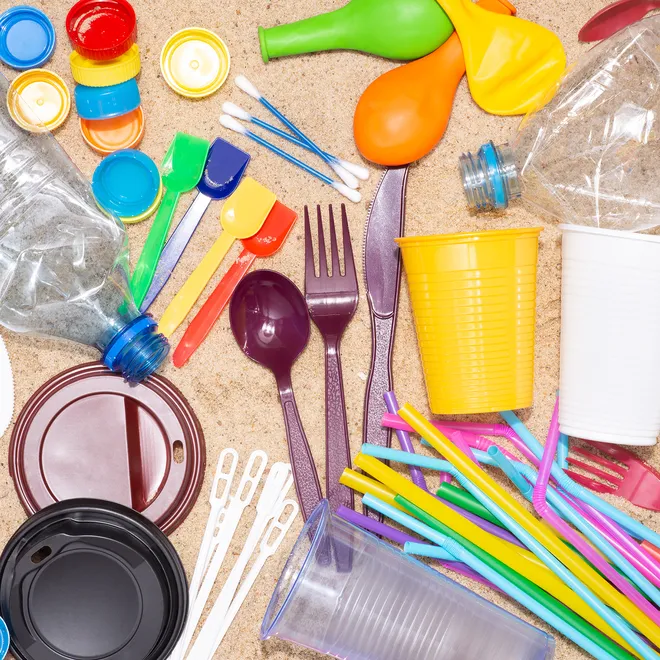
Learn about the impact of plastics and what you can do to keep them out of our oceans by connecting with a WWF scientist, considering easy ways to use less plastic, or crafting a plastic jellyfish model.
© Shutterstock / photka
💡 Warm up
© WWF
Explainer
What happens to your plastic?
As students arrive to class, direct them to observe the infographic (either projected or printed) and call on students to explain the three pathways that plastic follows to the oceans and the major ways that plastics affect marine organisms. (Graphic on page 10.)
© Greg Armfield
Tips
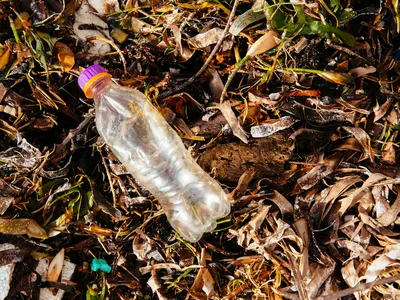
The problem with plastic in nature and what you can do to help
As an alternate warm-up, have students read the short web story independently and choose one action they can do to reduce plastic waste.
💻 Tech time
Video: The Journey of plastic
Show the video about the journey that plastic follows from humans to the food chain.
Video: 8 Plastic-Free Eco-Friendly Swaps
Alternatively, show the video about easy swaps we can make to use less plastic. Guide students in a brief discussion about how plastics move through our ecosystems and have students brainstorm additional ways to use less plastic at home or at school.
▶️ Activities
Recorded Livestream: Don’t Be Trashy: The Plastic Problem
Meet Erin Simon, WWF’s Senior Plastics Director, and join us as she breaks down the problem of plastic not breaking down, and what you can do to make sure plastic doesn’t end up in nature. Download the supplemental materials linked in the video description for additional discussion and assessment questions.
Craft: Only Jellies in the Belly
For a crafty option, guide students as they create a model jellyfish out of plastic to help them see how plastic can resemble jellyfish to predators.

© WWF
✔️ Assessment
Additional information and resources
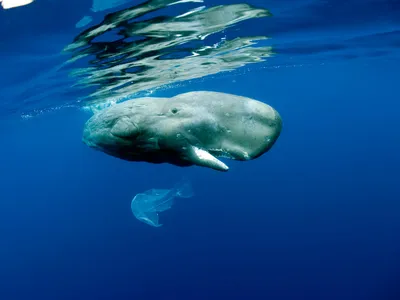
© naturepl.com / Franco Banfi / WWF
Our work
Plastics
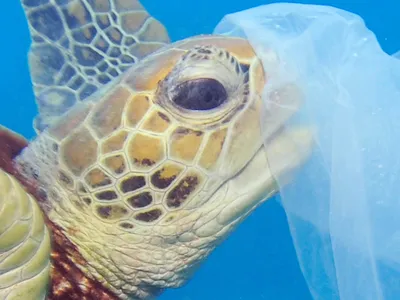
© Troy Mayne / WWF
Explainer
What do sea turtles eat? Unfortunately, plastic bags
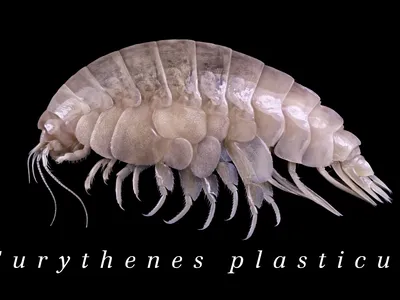
© WWF-Germany
Video
A newly discovered crustacean polluted with plastic
© Jonathan Caramanus/Green Renaissance/WWF-UK
Toolkit