380 new species discovered in the Greater Mekong in 2021 and 2022

© Henrik Bringsoe
A color-changing lizard, a thick-thumbed bat, a venomous snake named after a Chinese mythological goddess, an orchid that looks like a Muppet, and a tree frog with skin that resembles thick moss are just five of the 380 new species described by scientists in the Greater Mekong region of Southeast Asia in 2021 and 2022, according to a new WWF report.
The report documents the work of hundreds of scientists from universities, conservation organizations, and research institutes around the world who discovered 290 plants, 19 fishes, 24 amphibians, 46 reptiles, and one mammal in Cambodia, Laos, Myanmar, Thailand, and Viet Nam. This brings the total number of vascular plants, fishes, amphibians, reptiles, birds, and mammals described in the Greater Mekong region since 1997 to 3,389.
“While the Mekong region is a global biodiversity hotspot, it is also experiencing a vast array of threats,” said Nilanga Jayasinghe, manager, Asian species, WWF. “It is critical that we continue to invest in the protection and conservation of nature, so these magnificent species don’t disappear before we know of their existence."
With many of the species already under threat of extinction from human activities, WWF is calling on governments in the region to increase protection for these rare, amazing creatures and their habitats.
WWF works with government, non-profits, communities, and other partners across the five Greater Mekong countries on conservation strategies designed to protect these species and their habitat. We protect flagship species such as Asian elephants, Irrawaddy dolphins, and tigers, as well as the forests, rivers, and oceans they depend on. To stop wildlife declines, WWF is strengthening networks of protected and conserved areas and tackling the snaring crisis, illegal wildlife markets, online wildlife trade, and the financial crimes associated with wildlife trafficking.
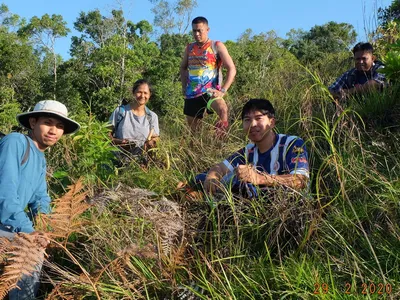
© Potjamarm Suraninpong
Report: New species discovered in the Greater Mekong
The Greater Mekong region of Southeast Asia—comprising Cambodia, Laos, Myanmar, Thailand, and Viet Nam—is a biodiversity hotspot. In the last two years, researchers have brought some remarkable new species to the world’s attention.
Read the reportTake a look at some of these incredible species
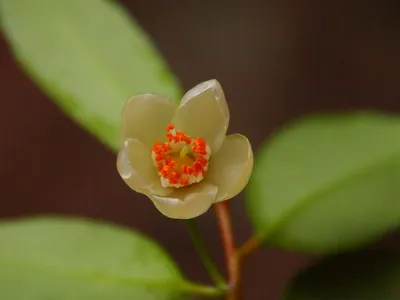
Cleyera bokorensis
© Shuichiro Tagane
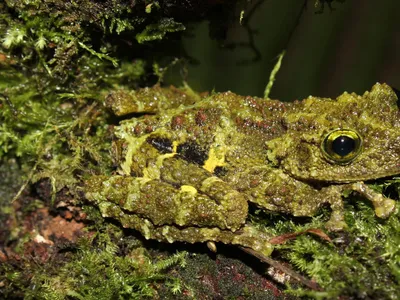
Theloderma khoii
© Nguyen Thien
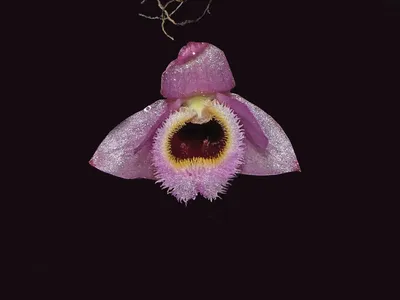
Dendrobium fuscifaucium
© Keooudone Souvannakhoummane
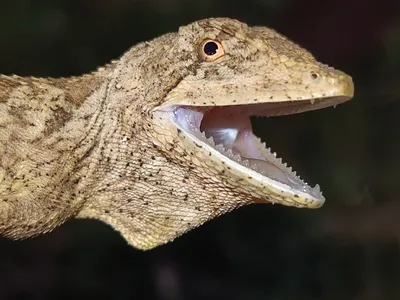
Ptyctolaemus chindwinesis
© Shuo Liu
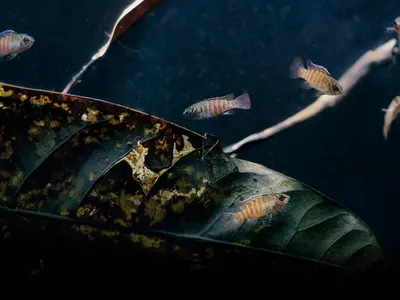
Dario tigris
© Thadoe Wai / WWF-Myanamar
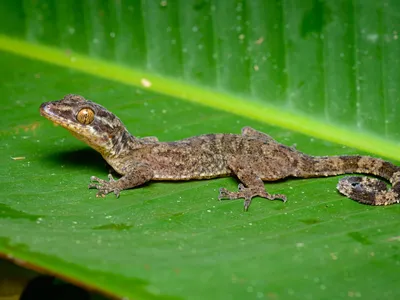
Cyrtodactylus rukhadeva
© Thai National Parks / Creative Commons