The problem with plastic in nature and what you can do to help
© Greg Armfield
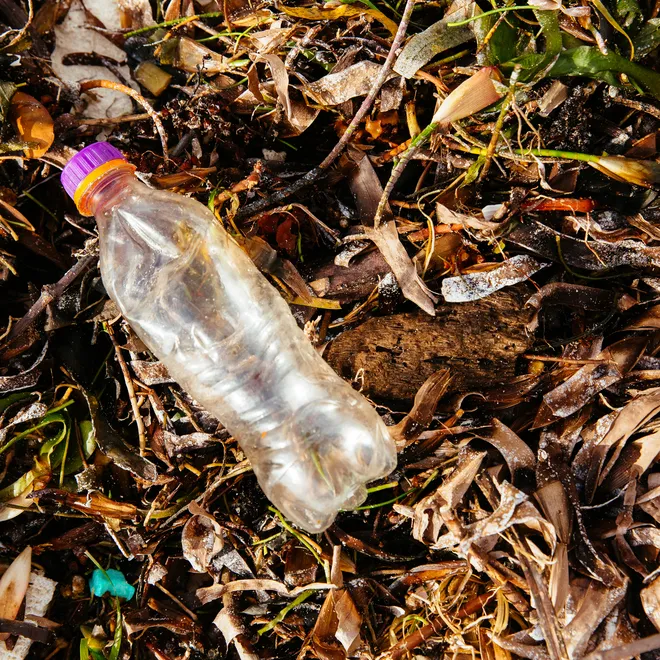
It's important to regularly step back and think about how our everyday actions impact the planet. Right now, there are 150 million metric tons of plastic in our oceans—and we're releasing an additional 8 million metric tons each year. Plastic pollution exists almost everywhere in the ocean, from the remote seas of the Arctic to the floor of the deep sea.
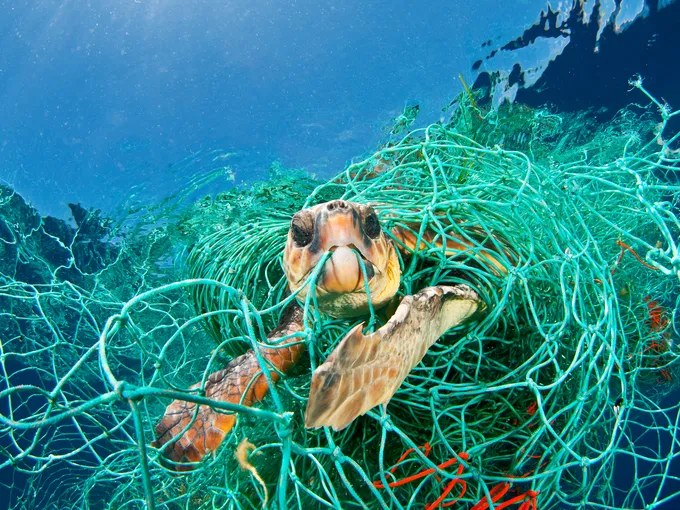
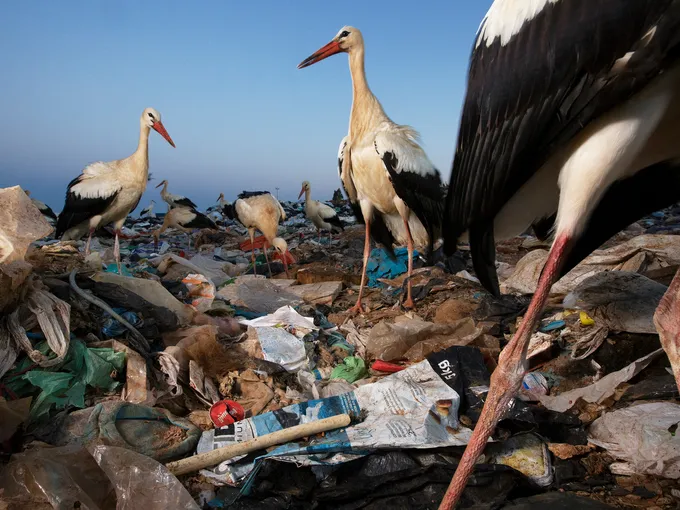
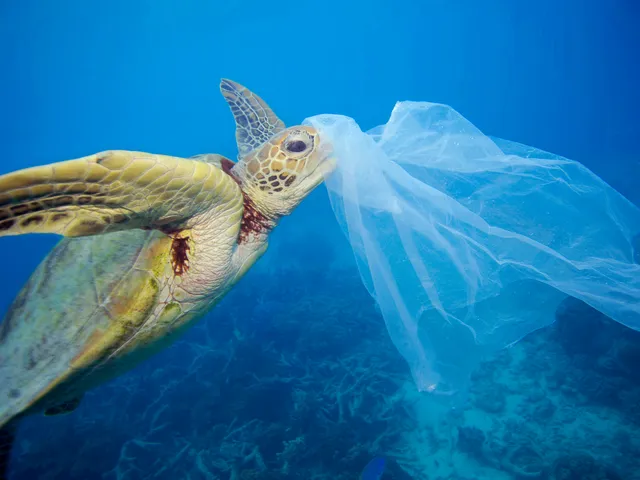
This shocking amount of plastic impacts ocean wildlife, too. Sea turtles mistakenly eat plastic bags that they confuse with jellyfish. Sea birds, whales, dolphins, and other marine animals often turn up dead with stomachs full of plastic or get caught in abandoned plastic fishing nets. Even land animals are now forced to live among plastic pollution.
© naturepl.com / Jordi Chias / WWF
© Jasper Doest/Nat Geo Image Collection
Luckily, we can take small steps in our everyday lives to reduce plastic waste and make a big impact on the environment. If every American sipped out of just five fewer straws per year, we could keep more than 1.5 billion straws out of landfills—and our ocean.
Here are three other ways we can reduce plastic waste:
Cut back on single-use plastics
While plastic bags, bottles, and other items that we use just once and then throw away may be convenient at the moment, using canvas bags or reusable bottles helps cut plastic pollution. By using glass and/or metal jars for storage, packed lunches, soaps, and beauty products, you can also cut back on your plastic waste.
Choose to reuse
Skip the plastic utensils at your favorite lunch spot. Instead, opt for a set of reusable forks, spoons, and knives that you can use every day of the week.
Recycle
Plastic bottles, paper, electronics, and batteries—among other items—can often be recycled. Learn how to properly dispose of or recycle these products and reduce consumer waste.
We need to act now
As we reduce our plastic waste and businesses begin to find solutions to how they source, use, and dispose of plastics, we also need to demand urgent action from our government. Ask world leaders to deliver a successful and effective global treaty on plastic pollution
© Troy Mayne / WWF
Help stop plastic pollution
Send a message to world leaders, asking them to chart a path to a future with less plastic in nature.