
© Shutterstock / Wonderful Nature | Casper Douma / WWF
Global treaty to end plastic pollution
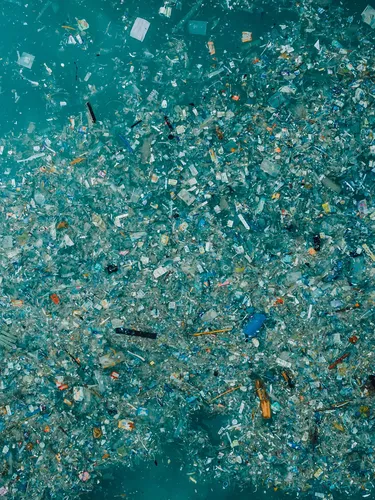
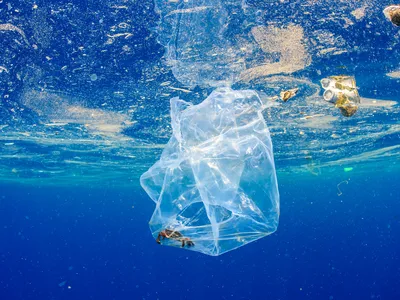
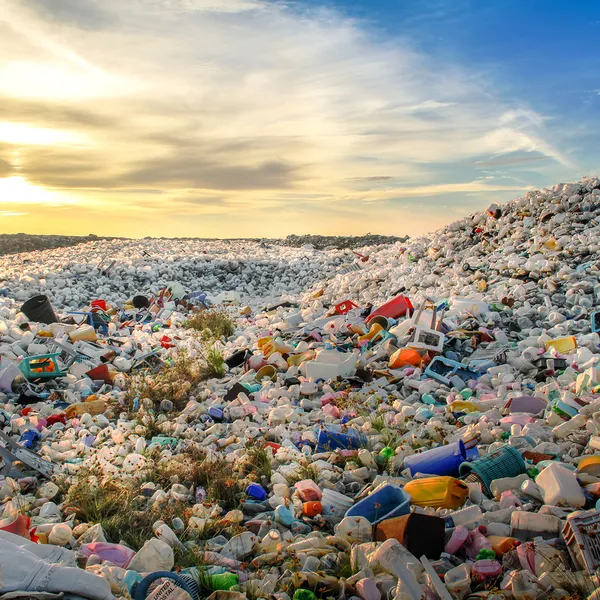
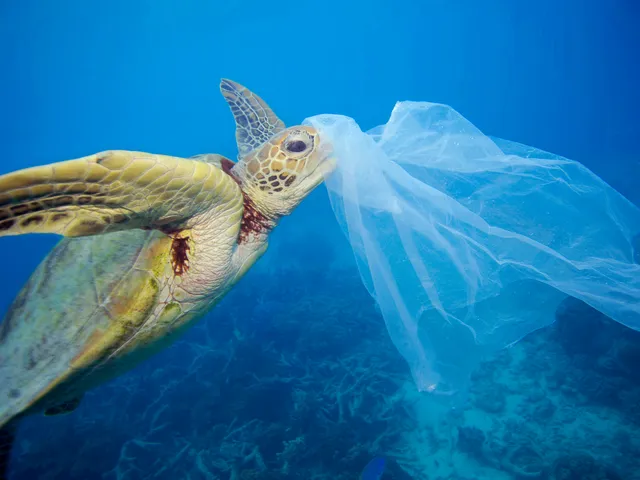
Plastic is an essential part of our everyday lives. Every year, the world produces over 462 million tons of plastic. While plastic can be a useful material, 90% of it pollutes our planet. This is particularly true of single-use items such as plastic cutlery, packaging, and microplastics, which break off larger pieces of plastic like textiles. Currently, an estimated 9 million to 14 million tons of plastic waste end up in our oceans each year. Plastic waste has been found in all areas of the globe, from the deepest seas to the most remote mountains. It causes major harm to wildlife and ecosystems, disrupts the livelihood of millions of people, and poses significant risks to human health and the world economy.
From people and wildlife to the communities and habitats they call home, solving the plastic pollution crisis is a challenge we all share. We need this for ourselves and for our world.
At the current rate, global plastic pollution could double by 2040 280 million metric tons per year—the equivalent of a dump truck every second entering our environment—unless we take immediate action. Voluntary measures and country-driven efforts have proven ineffective in stopping plastic from polluting and poisoning our planet, and it’s only getting worse.
A solution to plastic pollution
The solution is a new set of legally binding and equitable global agreements that define the tangible steps and timelines necessary to change how we produce and consume high-risk plastic.
This should prioritize:
- Phasing out all unnecessary plastic products that pose a high pollution risk, including single-use items and excessive packaging.
- Establishing binding and specific design requirements for plastic products that lead to a decrease in plastic consumption.
- Matching strong binding measures with ambitious mechanisms to enable effective implementation and a just transition, including robust technical and financial assistance.
Support for ending plastic pollution
-
85% support a ban
on single-use plastics
-
90% support a ban
on hazardous chemicals used in plastics
-
85% of Americans
somewhat or strongly agree that plastic waste pollution is a serious and concerning problem that requires immediate political action to solve.
In March 2022, the UN Environmental Assembly convened in Nairobi, Kenya, to debate the global plastic crisis. In a historic move, 175 nations voted to adopt a global treaty for plastic pollution—agreeing on an accelerated timeline that matched the urgency of the problem.
The unique potential of a global, United Nations-led treaty is to hold all countries to a high common standard on plastic consumption and create a clear path toward a future free from plastic pollution. This will create a level playing field that incentivizes and supports national actions.For example, through unified global bans, the Montreal Protocol has phased out more than 99% of ozone-depleting substances since its establishment, setting the ozone layer on a gradual path to recovery.
We must move quickly: During the four years since the treaty mandate was agreed upon, total plastic pollution in the ocean has increased by 42 million tonnes. Ending plastic pollution is in our grasp, and the treaty negotiations are a once-in-a-generation opportunity to do so.
How to support a global plastic pollution treaty

News and stories
© Troy Mayne / WWF
Help stop plastic pollution
Send a message to world leaders, asking them to chart a path to a future with less plastic in nature.
Towards a global treaty to end plastic pollution
2026
February: INC 5.3 took place on Feb. 7 in Geneva, Switzerland to elect the new Chair of the INC.
No date is set yet for the next meeting of the INC. The Chair is currently undertaking regional and bilateral consultations, and some countries are convening informal working groups.
2025
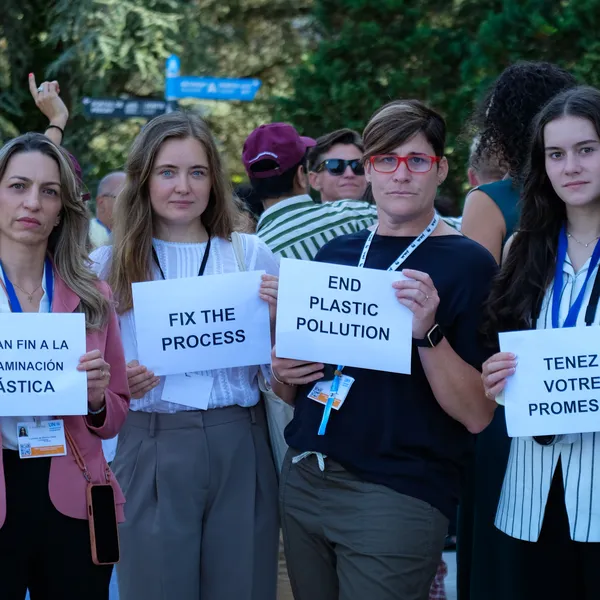
August: INC 5.2 takes place Aug. 4–15 in Geneva, Switzerland. Up to 120 countries agree on core provisions of the treaty, such as phasing out harmful products and chemicals and ensuring majority-decision making in future COPs, but an agreement is not reached.
June: Nearly 100 countries re-commit to reaching an ambitious, legally binding global treaty that addresses the full lifecycle of plastic in the “Nice wake-up call” at the UN Oceans Conference.
2024
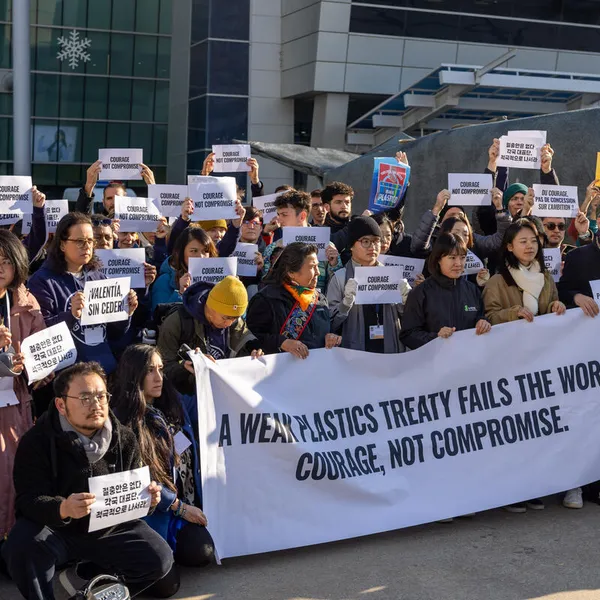
November: The fifth intergovernmental negotiation meeting, originally intended to be the final INC, takes place in Busan, South Korea. Governments make powerful statements in support of an ambitious agreement, including a request from Rwanda on behalf of 85 countries to “stand up for ambition” and a statement from Mexico on behalf of 95 countries that the treaty must address the most harmful plastic products and chemicals of concern. However, countries do not reach agreement on several iterations of draft treaty text and decide to suspend the session for future discussion.
April: The fourth intergovernmental negotiation meeting, INC-4, for the treaty takes place in Ottawa, Canada. The meeting sees further development of rules to prohibit problematic and avoidable plastic products, but leaves open whether the treaty will include measures to reduce production and consumption of plastics.
2023
November: The third intergovernmental negotiation meeting, INC-3, takes place in Nairobi, Kenya. The majority of INC-3 is spent in procedural delays, with delegates spending the negotiations drafting additional text to be added to the previously published 'zero draft.’
June: The second intergovernmental negotiation meeting, INC-2, takes place in Paris, France. One hundred and thirty-four governments call for common, global rules for plastics across their entire lifecycle, and a mandate for developing a 'zero draft' of the treaty is secured.
2022
November: The first intergovernmental negotiating meeting (INC-1) takes place in Punta del Este, Uruguay. During the meeting, more than 145 countries publicly support establishing strong global rules to stop plastic pollution.
August: Norway and Rwanda nitiate and launch the "High Ambition Coalition" to end plastic pollution by 2040, which has over 70 members.
March: More than 2.2 million individuals sign WWF's plastics petition. The petition is presented to the United Nations Environment Assembly (UNEA)’s president and Norwegian Minister of Climate and Environment, Espen Barth Eide, during the conference in Nairobi.
A historic moment—UN Member States adopt Resolution 5/14, titled “End Plastic Pollution: Towards an international legally binding instrument”.
January: More than 70 leading businesses and financial institutions call on governments to develop and adopt a comprehensive and robust legally binding treaty on plastic pollution.