'The Bad Guys' and stopping illegal wildlife trade
In celebration of the new movie The Bad Guys, a film about five animal outlaws aiming to go good, WWF and DreamWorks Animation have teamed up to raise awareness about the plight of the real wildlife depicted in the film. The Bad Guys tells the story of Mr. Wolf, Mr. Snake, Mr. Piranha, Mr. Shark, and Ms. Tarantula and their attempt to become model citizens.
The movie may call these animals “The Bad Guys,” but when it comes to roles in their natural ecosystem, animals like wolves, sharks, snakes, tarantulas, and piranhas do a lot of good. In fact, all organisms play a valuable role in keeping their native ecosystems balanced and thriving.
While WWF works to protect wolves, snakes, piranhas, sharks, tarantulas, and other wildlife and their habitats, DreamWorks Animation takes viewers on an adventure with these misunderstood creatures.
Stopping illegal wildlife trade
DreamWorks Animation’s movie The Bad Guys is an action-packed comedy centering on traditionally vilified creatures. Though they’re depicted as criminals in the movie, the reality is that these animals—along with many other species—are often victims of the illegal wildlife trade. WWF and our partners are working to protect species, stop the illegal wildlife trade, and keep ecosystems intact. Our work with the private sector, law enforcement, policymakers, and consumers aims to collaboratively protect and reduce wildlife trafficking. Whether it's through the Internet and app-based platforms in our Coalition to End Wildlife Trafficking Online, or working to strengthen laws that protect wildlife, we rely on partnerships and local communities who live alongside these species to help ensure a future for all animals—even the most misunderstood.

© DWA LLC
Here are just a few ways illegal activity threatens some of the animals represented in the movie:
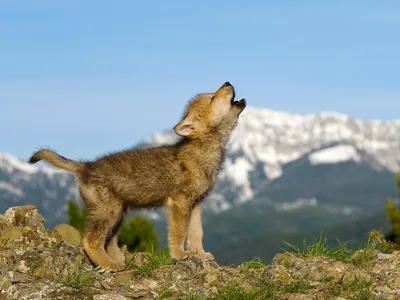
Wolf
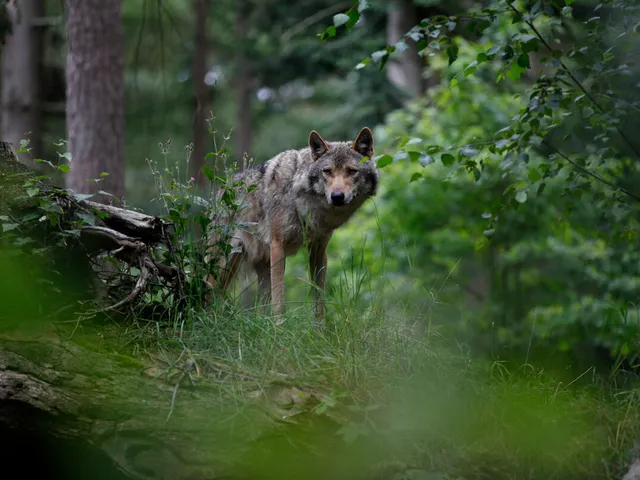
Once the world’s most widely distributed mammal, the gray wolf now occupies only one-third of its original range. Misconceptions about wolves, fear, conflicting interests, and disinformation influence how wolves are perceived and managed. Poaching remains a threat to their populations across the world.
© naturepl.com / Klein & Hubert / WWF
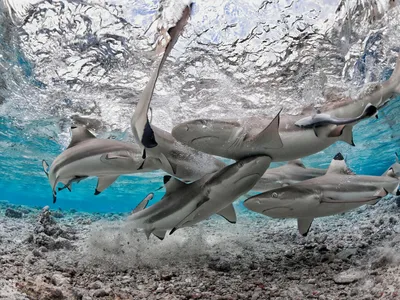
Shark
Sharks are often perceived as powerful predators, but more than one-third of all sharks, rays, and chimaeras are now at risk of extinction because of overfishing and wildlife trafficking. Demand for their fins, jaws, and meat leads to illegal fishing—even of protected species—and presents a big problem for their populations.
© Paul Mckenzie / WWF-HK
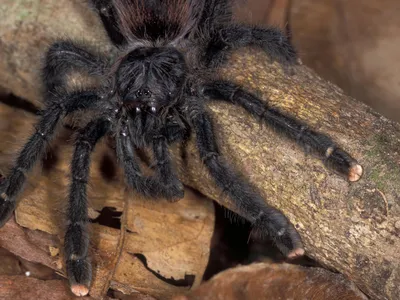
Tarantula
Tarantulas are one of the most widely traded species of invertebrates and are often found legally or illegally in the pet trade. These spiders may become threatened with extinction if the trade is not regulated.
© WWF-US / Steve Morello
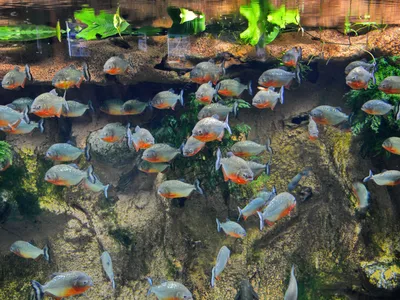
Piranha
A fearsome reputation precedes the piranha around the world, but this species is much less aggressive than previously believed. Red-bellied piranhas are common in the pet trade and are often kept as aquarium fish. Aquarium owners sometimes release their pet piranhas into the wild, and the fish are at high risk of becoming invasive.
© Shutterstock / Andrey Novgorodtsev
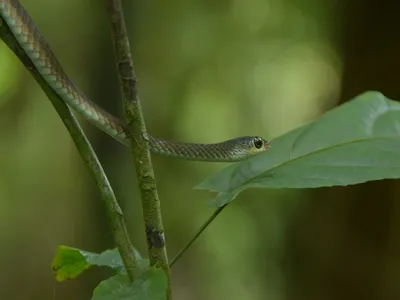
Snake
Snakes are popular pets, and many purchased as pets are legal and come from sustainable sources. However, some unscrupulous traders do illegally take animals from the wild and pass them off as captive-bred to skirt legal trade controls, hurting wild populations. Snakes are often tricky to care for and will harm ecosystems if they escape or are released.
© Jaap van der Waarde / WWF-Netherlands
You can help protect wildlife
Everyone has a role to play in protecting animals and ending the illegal wildlife trade. Remember, if you get a new pet, know where it came from. And never release a pet into the wild, even if you can no longer keep them.
You can also help stop the illegal wildlife trade online. Click the link below to learn more about the Coalition to End Wildlife Trafficking and how to report endangered wildlife that you see for sale on social media and e-commerce apps.
© WWF / Marielle van Uitert
Get educational resources
Explore the Wild Classroom science and social emotional learning activities in celebration of The Bad Guys movie.