The IUCN Red List categories indicate how close a species is to becoming extinct
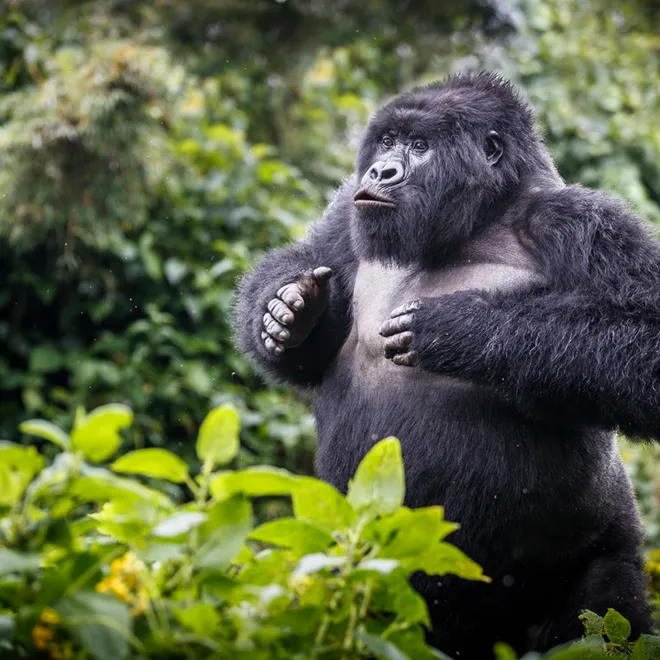
© naturepl.com/Christophe Courteau/WWF
Which of these is NOT one of the eight Red List categories?
Not quite. The correct answer is: Thriving.
The International Union for Conservation of Nature (IUCN) has assessed over 150,000 species for their risk of extinction. The eight IUCN Red List Categories indicate how close a species is to becoming extinct. In fact, one of the categories is Extinct, and at the other end of the spectrum is Least Concern.
But let's start with the basics. What do we mean by "species"? A species can be a kind of bird (like a bald eagle), whale (such as a humpback), tree (like a red maple), coral (have you heard of a staghorn?), fungus (ever eaten a black truffle?), or many other life forms on this planet (including humans). Altogether, we call this range of life "biodiversity."
The IUCN Red List of Threatened Species is a cornerstone for conservation, helping us identify which species need our immediate help and what we can do to protect them. Experts perform a rigorous assessment of a given species to categorize it, asking a host of crucial questions. Is the species’ habitat shrinking? If so, how quickly? How many individuals are there? Is that number dropping? How drastically?
Learn more about the Red List and what the different categories mean—and find out what you can do to help wildlife.
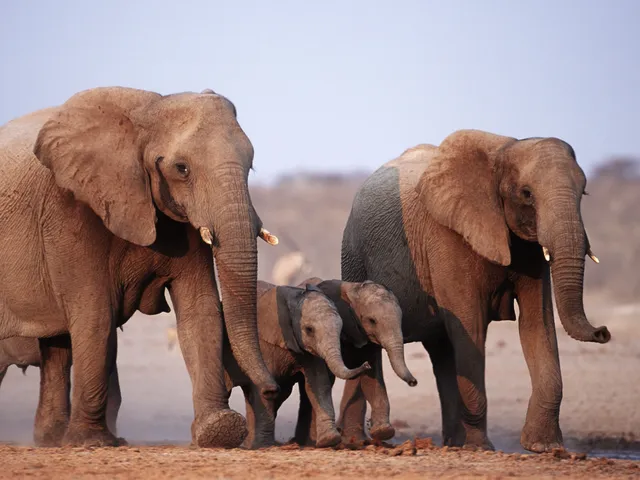
© Martin Harvey/WWF
Join us to make change
Speak up for species and places through WWF's Action Center.