Safeguarding Threatened Species
As a member of WWF’s Legacy Circle, thank you for your continued generosity and commitment to creating a lasting impact for generations to come. Your support advances critical scientific research to help recover threatened and endangered species, protect vital wildlife habitats around the world, and address urgent threats posed by illegal wildlife trade.
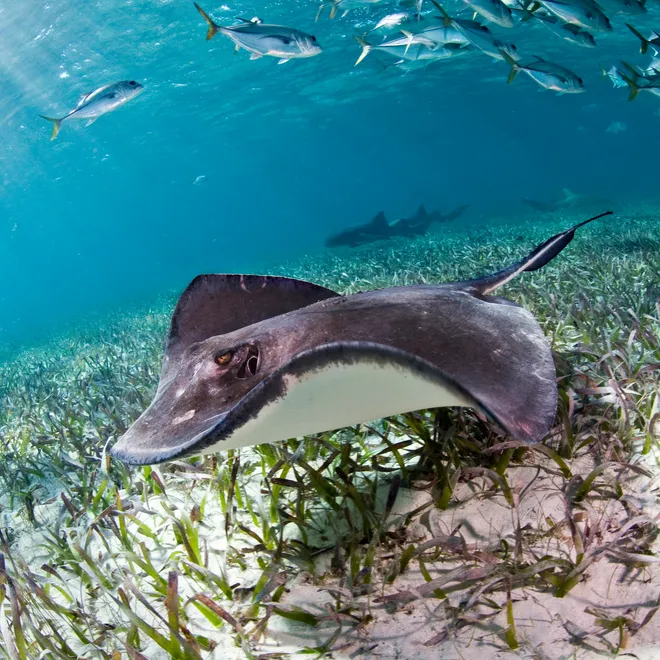
© Antonio Busiello/WWF-US
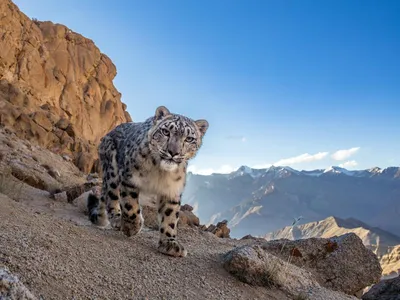
From the peaks of the Himalayas to the shores of the Pacific, as the report linked at the right details, your generosity makes a global impact on wildlife, communities, and our shared future.
Your commitment to safeguarding species and habitat has never been more critical—or more deeply appreciated.
© Sascha Fonseca
© WWF-US / Alex Rosenberg
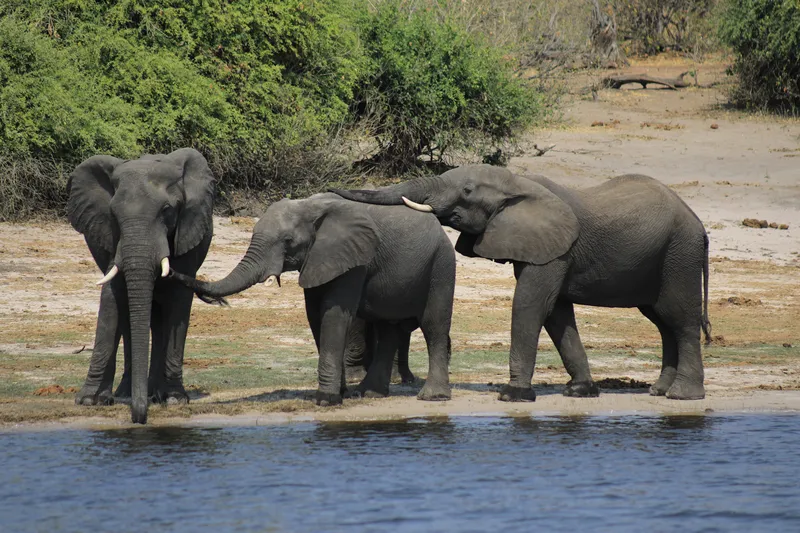
African elephants
Poachers kill more than 20,000 African elephants each year to meet demand for ivory. To help end this devastating practice, WWF launched a consumer awareness campaign in Viet Nam, a major hub for ivory consumption and trafficking, in partnership with government agencies and local organizations. Between January and May 2025, millions of people passing through airports and city centers across the country encountered clear messages about the illegality of buying and trading ivory—and the harm it causes.
The campaign made a real difference. Only 4.3% of travelers who saw the campaign said they would consider buying ivory in the future, compared with 8.1% of those who did not see the campaign.
© Thomas Szajner / WWF-US
Bison
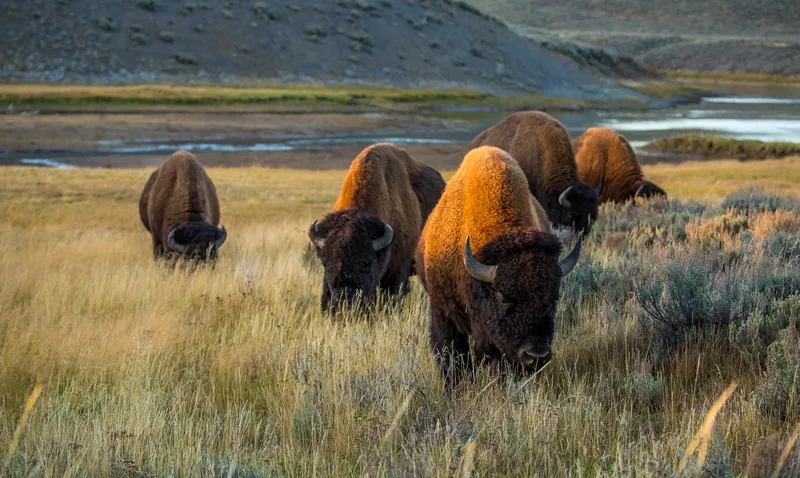
In partnership with Native Nations and local leaders, WWF continued work this year to help restore bison to the Great Plains, supporting a species deeply connected to the land and cultural traditions. Together with eight partner organizations, WWF advanced efforts to reintroduce or expand bison herds by securing and surveying grazing lands, improving infrastructure, and developing science-based management plans.
Among the highlights, WWF supported the removal of 7,000 pounds of barbed wire at Fort Belknap in Montana that posed risks to wildlife, along with the construction of three miles of wildlife-friendly fencing. We also began new partnerships, including work with the Crow Nation Buffalo Program to secure nearly 26,400 acres for year-round grazing of up to 750 bison.
© Shutterstock/Narchuk/WWF-Sweden
Sharks and rays
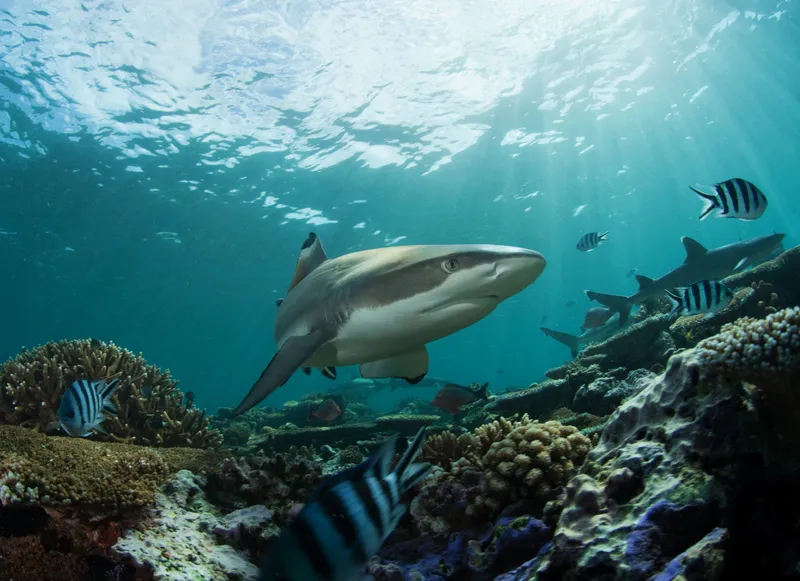
Across distant oceans, support from WWF donors is helping countries and communities protect sharks and rays, species that play vital roles in healthy marine ecosystems but face growing threats from illegal trade, overfishing, and habitat loss.
In Ecuador, whose waters surround the Galápagos Islands and hold the largest biomass of sharks on the planet, WWF is working to strengthen fisheries management and close pathways for illegal trade. Despite bans on shark fishing, more than 250,000 sharks are taken each year as bycatch and sold through legal loopholes. WWF is supporting practical solutions such as forensic laboratory testing to detect illegal or misreported catch, along with cost-effective tools to improve oversight, including an online shark identification course for inspectors and customs officers.
In Fiji’s Dreketi River, WWF helped establish a sanctuary in 2023 for endangered shark and ray species such as the scalloped hammerhead. A follow-up study conducted in 2025 is helping the community assess progress and adapt long-term management of this important nursery habitat.
Thank you!