
© Shutterstock/Konstantin Faraktinov/WWF
Monitoring for impact
Global challenges like climate change, armed conflict, and increasing scarcity of natural resources—compounded by globalization—complicate today’s conservation efforts. To ensure that conservation can meet the accelerating changes of our time, we need to invest in systems that help us learn about which conservation actions are most effective. By advancing WWF’s capacity to consistently and dynamically track our progress, we can ensure our programs are adaptable and achieve lasting outcomes for nature, people, and climate.

© Jim Balog/WWF
What WWF is doing

© Marlon del Águila/WWF-Peru
WWF’s scientists partner with conservation actors around the world to answer critical questions about what works in conservation and why. Drawing on different scientific disciplines, participatory approaches, and systems thinking, our approach to monitoring, evaluation, and learning is rooted in collaboration and guided by the critical need to invest in conservation solutions that deliver positive results for both people and nature. Not only does our work aim to generate evidence to inform conservation, it seeks to draw insight from existing diverse knowledge sources and systems—including practitioner experience, traditional and Indigenous knowledge, and scientific research—to support program strategy, design, and implementation. We work with the environmental evidence and knowledge synthesis communities of practice to bring reliable and relevant evidence to bear to inform critical conservation decisions.
WWF scientists have developed information, tools, and methods in collaboration with the conservation community as well as linked sectors such as health, environmental management, development, computer and data science, to support organizational monitoring. These resources and collaborations enable WWF to generate, synthesize, and deliver evidence-based insights on critical topics—such as community-based conservation, governance of protected and conserved areas, and nature-based interventions. In particular, we work to harness technological innovations such as remote sensing, artificial intelligence, and data science capacities to support conservation actors to efficiently assess change.
Resources and Tools
Elinor
This web-based tool and data system was designed to support conservationists in monitoring the governance and management of area-based conservation. Elinor streamlines data collection, entry, and visualization to support more evidence-informed and collaborative decision-making.
Transforming Conservation: A Practical Guide to Evidence and Decision-making
There are problems with the decision-making processes currently widely used, leading to ineffective use of evidence, faulty decisions, wasting of resources, and the erosion of public and political support. In this book, an international team of experts provides solutions.
Collaboration for Environmental Evidence (CEE)
This is an open community of stakeholders working towards a sustainable global environment and the conservation of biodiversity. CEE seeks to promote and deliver evidence from a range of sources focused on issues of greatest concern to environmental policy and practice.
Database of Evidence Reviews
Environmental Evidence informs policy and practice by publishing evidence from a range of sources (including meta-analyses) relevant to environmental management.
The Alliance for Conservation Evidence and Sustainability (ACES)
ACES is a voluntary network of conservation non-governmental organizations committed to improving conservation monitoring, evaluation, and learning. Operating as a formal collaborative between 2016 and 2022, ACES developed tools to inform the generation, synthesis, and use of evidence to improve community-based conservation and conservation decision-making.
Projects
© WWF
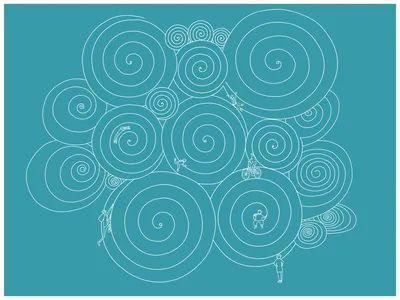
Exploring Systems
WWF is working to transform how we plan, implement, and evaluate programs to better adapt to the changing needs of our complex world.
© WWF
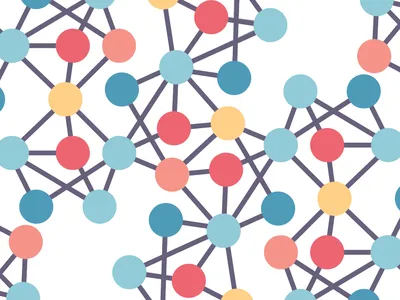
Making Better Decisions
Identifying and implementing effective conservation is often argued to require the best available evidence. However, making evidence-informed decisions in conservation is not without challenges.
Experts
-
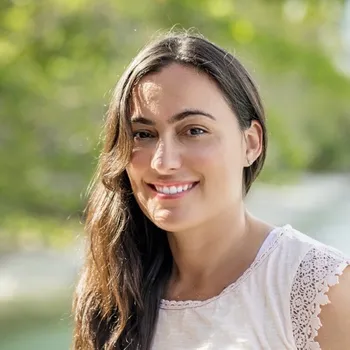
Dr. Gabby Ahmadia
Vice President, Seascapes and Science, Oceans
-

Dominic Andradi-Brown
Director, Blue Forests
-

Cody Aylward
Senior Specialist, Connectivity and Wildlife Conservation
-

Sam Cheng
Global Lead Scientist for Impact and Evidence, Global Science
-
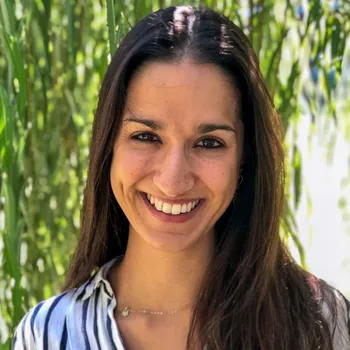
Shauna Mahajan
Director, Western Indian Ocean Seascape, Oceans
-
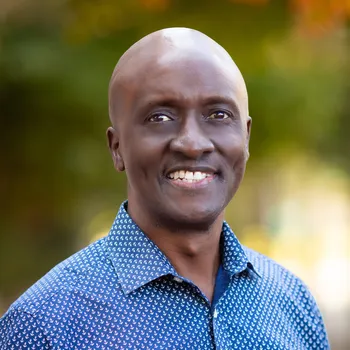
Nasser Olwero
Senior Director of Information Science, Global Science
-
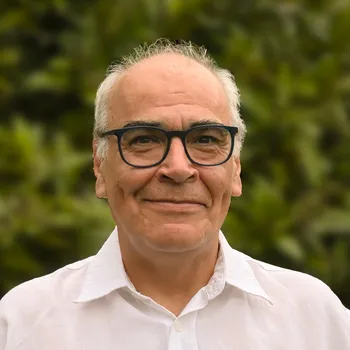
Pablo Pacheco
Global Forests Lead Scientist, Global Science
-
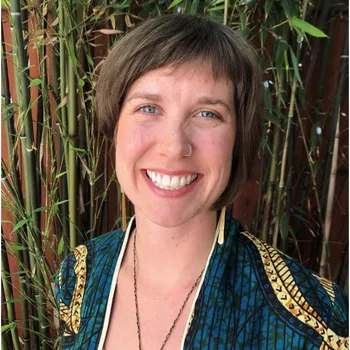
Althea Skinner
Director, Inclusive Conservation - Impact, Learning, and Partnerships
-
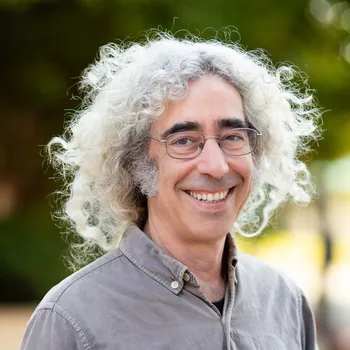
Dave Thau
Global Data and Technology Lead Scientist, Global Science