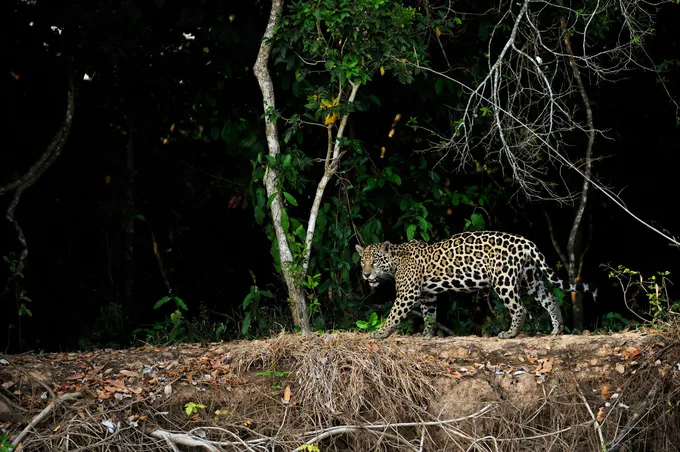
Can protecting jaguars in the Amazon save river dolphins, too?
*In other words: Can better integrating terrestrial and freshwater conservation approaches protect large-scale, connected habitats and help safeguard iconic Amazon species?
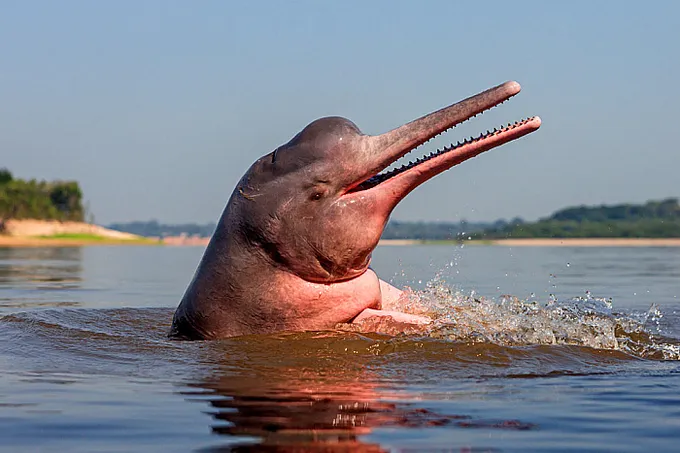
© Sylvain Cordier / naturepl.com
© Staffan Widstrand / WWF
For a long time, conservation was done piecemeal—a forest here, a river there, one species at a time. But healthy ecosystems are more than the sum of their parts, and keystone Amazon species like jaguars and river dolphins have vast ranges that cross national borders. To thrive, they need habitats that are both protected and connected.
A new WWF-led study offers a holistic approach. Researchers mapped places rich in both jaguars and migratory freshwater species, identifying areas where conservation action could deliver multiple benefits and boost whole-ecosystem health. These high-value areas cover 17% of the Amazon basin, yet one-third remain unprotected amid mounting pressures from deforestation and hydropower development.
Jaguars are an umbrella species
Conserving the big cats indirectly protects countless species that share their ecosystem.
Protecting these places—for example, declaring a no-go zone for dams and restoring a riparian forest—could help both land and water species—like a “buy one get one” deal for nature. The goal? To help governments, funders, and planners conserve the Amazon as one large, interconnected system.
© Shutterstock/pmvtisl
Explore more
Keep reading this issue of World Wildlife magazine